GET THE BEST TRAIN
TRAVEL OFFERS

ORDER A TRAIN TICKET
FAST AND EASY

CHOOSE HOW YOU
WANT TO PAY

Distance from Berlin To Cahors is 1257 Kilometer

You will save the environment by 66% in terms of Carbon footprint if you travel between Berlin to Cahors by Trains and not by Airplane

You will save the environment by 55% in terms of Carbon footprint if you travel between Berlin to Cahors by Trains vs Cars

You can order Train Ticket ticket from Berlin To Cahors 3 Months ahead of your departure date

Save A Train is the first cheapest for all Train travel needs for leisure travelers and business travelers

You can pay for your train trip to Cahors by these Payment terms Mastecard, Visa, American Express. Maestro creadits cards but aslo with the following alternative payment methodes: Paypal, Alipay, WeChat, Trustly, ideal, sofort and more.

Remember traveling by train is very scenic experience especially if you train travel between Berlin and Cahors, enjoy!
Saturday,
Jan 3
Cahors
-1°

Sunday,
Jan 4
Cahors
-3°
Monday,
Jan 5
Cahors
-4°
Tuesday,
Jan 6
Cahors
-5°

Wednesday,
Jan 7
Cahors
-6°
Wednesday,
Jan 7
Cahors
-5°
MORE IMPORTANT INFORMATION ABOUT YOUR TRAVEL TO Cahors
The Train station is located at the center of Cahors
Cahors (French pronunciation: [kaɔʁ]; Occitan: Caors [kaˈuɾs, ˈkɔws, ˈkɔw]) is a commune in the western part of Southern France. It is the smallest prefecture among the 13 departments that constitute the Occitanie Region. Main city of the Lot department and historical center of the Quercy, Cahors is home to 19 878 cadurciennes and cadurciens. Nestled in a meander of the Lot and surrounded by steep arid limestone hills, this historic city is home to a great monumental diversity. Mainly inherited from Roman times and the Middle Ages; the city’s monumental attributes include a historic city centre, Saint-Etienne cathedral, Roman walls and the famous Valentré bridge (UNESCO World Heritage Site as part of the pilgrimage path to Santiago de Compostela). Famed for its wine and gastronomy (truffles and foie gras) this typical southern French city holds the label of the French Towns of art and History.
Source:
WikipediaADDITIONAL INFORMATION ABOUT Berlin
The Train station is located at the center of Berlin
Berlin is the capital and largest city of Germany by both area and population. Its 3,769,495 (2019) inhabitants make it the most populous city proper of the European Union. The city is one of Germany's 16 federal states. It is surrounded by the state of Brandenburg, and contiguous with Potsdam, Brandenburg's capital. The two cities are at the center of the Berlin-Brandenburg capital region, which is, with about six million inhabitants and an area of more than 30,000 km², Germany's third-largest metropolitan region after the Rhine-Ruhr and Rhine-Main regions. Berlin straddles the banks of the River Spree, which flows into the River Havel (a tributary of the River Elbe) in the western borough of Spandau.
Source:
WikipediaImages of the trains for your trip
Where Can You Travel With Us?
TAKE A LOOK AT OUR MAP
France
Italy
Netherlands
Luxembourg
Austria
Germany
Belgium
Switzerland
Denmark
Sweden
Norway
Hungary
Czech
Ukraine
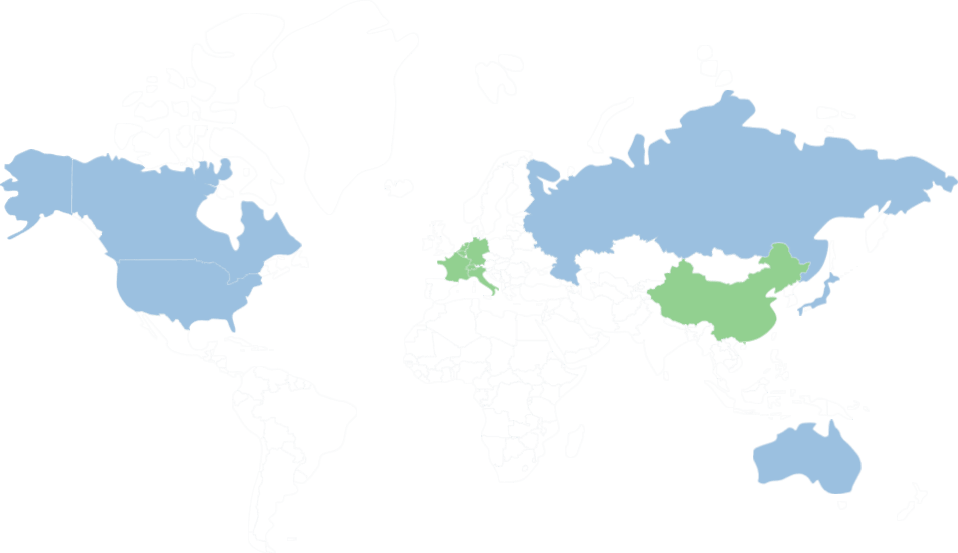
China
Active
France, Italy, Netherlands, Luxembourg, Austria, Germany, Belgium, Switzerland, Denmark, Sweden, Norway, Hungary, Czech, Ukraine, China
Upcoming
USA, Canada, Spain, Poland, Japan
Other Train Trips From Berlin
Berlin to Bietigheim Bissingen

Berlin to Bad Doberan
Berlin to Geseke

Berlin to Merseburg

Berlin to Hamburg Harburg

Berlin to Warnemuende

Berlin to Gotteszell

Berlin to Neu Isenburg
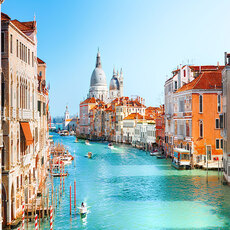
Berlin to Bad Salzungen

Berlin to Ellwangen
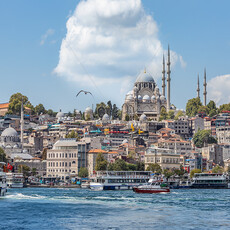
Berlin to Cologne Hansaring

Berlin to Fellbach

Berlin to Witzenhausen North

Berlin to Alsfeld Oberhess

Berlin to Dueren

Berlin to Renningen

Berlin to Berlin Mahlsdorf

Berlin to Planegg

Berlin to Kressbronn

Berlin to Mering

Berlin to Nordstrand

Berlin to Magdeburg Eichenweiler
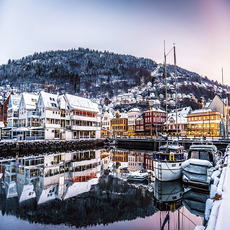
Berlin to Marburg Lahn South
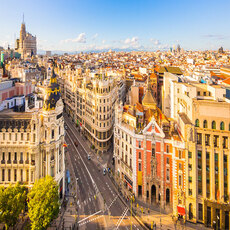
Berlin to Lugde
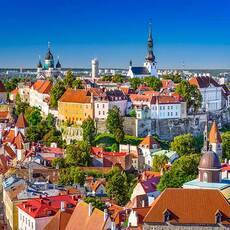
Berlin to Elsterwerda
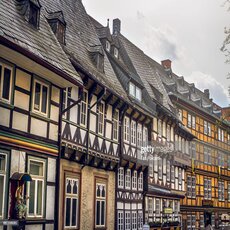
Berlin to Treis Karden
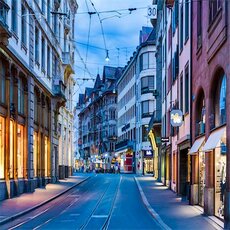
Berlin to Springe

Berlin to Taufkirchen
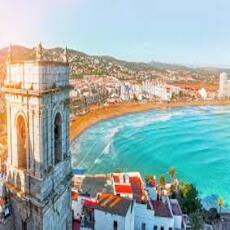
Berlin to Grosshesselohe Isartal

Berlin to Offenbach Main
WHY YOU SHOULD TRAVEL BY TRAIN?
To travel from Berlin To Cahors, trains would be the best travel choice, for several reasons:
1
Eco-Friendly
Trains are the most environmentally-friendly way of transport to the EU Environment Agency. They are powered by electricity, which is renewable and has a low environmental impact.
2
Speed
Travelling by train is in most cases the fastest way to go from Rome to Milan. Trains usually travel at high speeds, making them the fastest way to get from one place to another.
3
Safety
Travelling by train is one of the safest forms of transport. Trains are heavily regulated and monitored, making them safer than other forms of transport.
4
Price
Travelling by train is often cheaper than other forms of transport, such as flying or taking a bus. Trains are often subsidized by the government, making them cheaper than other forms of transport.
5
Luggage
Travelling by train is a great way to transport luggage. Trains usually have plenty of space for luggage and they are usually safe and secure.
6
Luggage
Travelling by train is often faster than other forms of transport, such as driving or taking a bus. Trains usually travel at high speeds, making them the fastest way to get from one place to another.
7
Comfortability
Travelling by train is usually very comfortable. Trains usually have comfortable seating and plenty of legroom, making them a great way to travel.
8
Comfortability
Travelling by train is a great way to get some sleep. Trains usually have comfortable seats and plenty of legroom, making them a great way to get some rest while travelling.
9
WIFI
This is not necessarily the most important when you travel since we prefer to tell you to enjoy your travel without your phones, but on trains, you can find WIFI onboard, so you remain connected to the internet if you choose to.
THESE ARE THE TRAIN OPERATORS WE WORK WITH