GET THE BEST TRAIN
TRAVEL OFFERS

ORDER A TRAIN TICKET
FAST AND EASY

CHOOSE HOW YOU
WANT TO PAY

Distance from Braunschweig To Krefeld is 298 Kilometer

You will save the environment by 70% in terms of Carbon footprint if you travel between Braunschweig to Krefeld by Trains and not by Airplane

You will save the environment by 59% in terms of Carbon footprint if you travel between Braunschweig to Krefeld by Trains vs Cars

You can order Train Ticket ticket from Braunschweig To Krefeld 3 Months ahead of your departure date

Save A Train is the first cheapest for all Train travel needs for leisure travelers and business travelers

You can pay for your train trip to Krefeld by these Payment terms Mastecard, Visa, American Express. Maestro creadits cards but aslo with the following alternative payment methodes: Paypal, Alipay, WeChat, Trustly, ideal, sofort and more.

Remember traveling by train is very scenic experience especially if you train travel between Braunschweig and Krefeld, enjoy!
SEE HOW YOUR TRAIN TRIP FROM Braunschweig to Krefeld WILL LOOK LIKE

MORE IMPORTANT INFORMATION ABOUT YOUR TRAVEL TO Krefeld
The Train station is located at the center of Krefeld
Krefeld also spelled Crefeld until 1929 (though the spelling was still being used in British papers throughout the second world war), is a city in North Rhine-Westphalia, Germany. It is located northwest of Düsseldorf, its centre lying just a few kilometres to the west of the river Rhine; the borough of Uerdingen is situated directly on the Rhine. Because of its economic past, Krefeld is often referred to as the "Velvet and Silk City". It is accessed by the autobahns A57 (Cologne–Nijmegen) and A44 (Aachen–Düsseldorf–Dortmund–Kassel). Krefeld's residents speak Hochdeutsch, or standard German, but the native dialect is a Low German variety, sometimes locally called Krefelder Plattdeutsch, Krieewelsch Platt, Plattdeutsch, or sometimes simply Platt. The Uerdingen line isogloss, separating general dialectical areas in Germany and neighboring Germanic-speaking countries, runs through and is named after Krefeld's Uerdingen district, originally an independent municipality.
Source:
WikipediaADDITIONAL INFORMATION ABOUT Braunschweig
The Train station is located at the center of Braunschweig
Braunschweig (German pronunciation: [ˈbʁaʊnʃvaɪk]; Low German: Brunswiek [ˈbrɔˑnsviːk]), also called Brunswick () in English, is a city in Lower Saxony, Germany, north of the Harz mountains at the farthest navigable point of the Oker River which connects it to the North Sea via the Aller and Weser Rivers. In 2016, it had a population of 250,704. A powerful and influential centre of commerce in medieval Germany, Braunschweig was a member of the Hanseatic League from the 13th until the 17th century. It was the capital city of three successive states: the Principality of Brunswick-Wolfenbüttel (1269–1432, 1754–1807, and 1813–1814), the Duchy of Brunswick (1814–1918), and the Free State of Brunswick (1918–1946). Today, Braunschweig is the second-largest city in Lower Saxony and a major centre of scientific research and development.
Source:
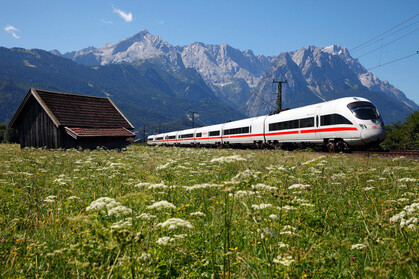
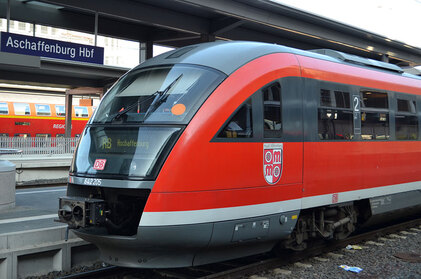
WikipediaImages of the trains for your trip




Where Can You Travel With Us?
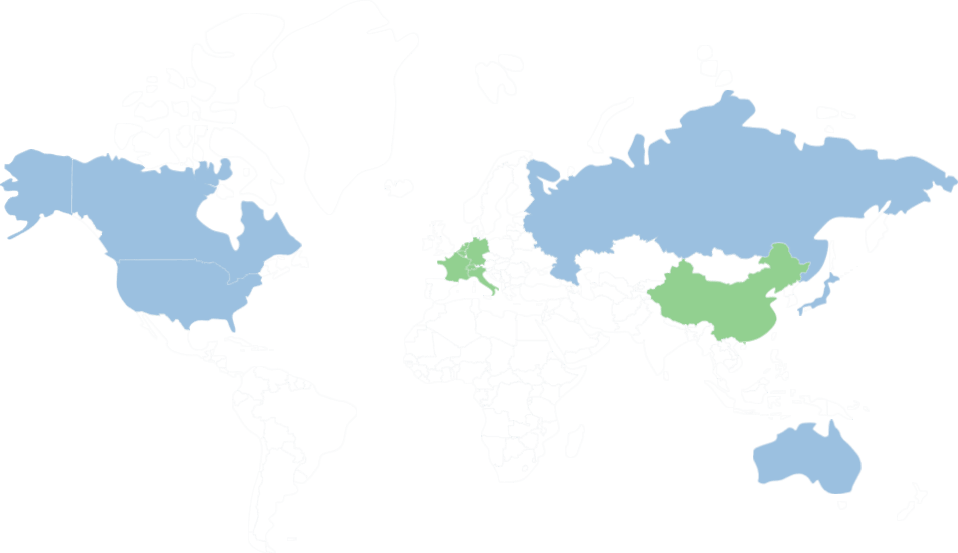
TAKE A LOOK AT OUR MAP
France
Italy
Netherlands
Luxembourg
Austria
Germany
Belgium
Switzerland
Denmark
Sweden
Norway
Hungary
Czech
Ukraine
China
Active
France, Italy, Netherlands, Luxembourg, Austria, Germany, Belgium, Switzerland, Denmark, Sweden, Norway, Hungary, Czech, Ukraine, China
Upcoming
USA, Canada, Spain, Poland, Japan
Other Train Trips From Braunschweig

Braunschweig to Frankfurt Sossenheim
Braunschweig to Sehlem Kr Wittlich

Braunschweig to Gerolstein

Braunschweig to Freilassing

Braunschweig to Orschweier

Braunschweig to Rosenheim

Braunschweig to Melsungen Roehrenfurth

Braunschweig to Gensingen Horrweiler

Braunschweig to Potsdam Park Sans

Braunschweig to Sonthofen
Braunschweig to Penzberg

Braunschweig to Westheim Langendorf
Braunschweig to Dorsten
Braunschweig to Wremen
Braunschweig to Bodenburg
Braunschweig to Friedrichshafen Hafen

Braunschweig to Hanover North

Braunschweig to Jossa
Braunschweig to Nurtingen

Braunschweig to Dusseldorf Bilk
Braunschweig to Anzenkirchen

Braunschweig to Bad Sobernheim
Braunschweig to Apolda

Braunschweig to Turkheim Bayern

Braunschweig to Landsberg Lech
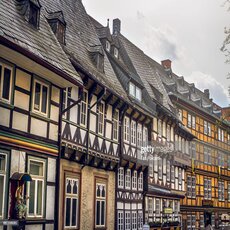
Braunschweig to Potsdam
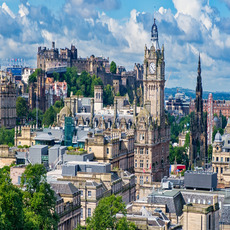
Braunschweig to Reutlingen West

Braunschweig to Wilkau Hasslau

Braunschweig to Mehltheuer

Braunschweig to Bad Friedrichshall
WHY YOU SHOULD TRAVEL BY TRAIN?
To travel from Braunschweig To Krefeld, trains would be the best travel choice, for several reasons:
1
Eco-Friendly
Trains are the most environmentally-friendly way of transport to the EU Environment Agency. They are powered by electricity, which is renewable and has a low environmental impact.
2
Speed
Travelling by train is in most cases the fastest way to go from Rome to Milan. Trains usually travel at high speeds, making them the fastest way to get from one place to another.
3
Safety
Travelling by train is one of the safest forms of transport. Trains are heavily regulated and monitored, making them safer than other forms of transport.
4
Price
Travelling by train is often cheaper than other forms of transport, such as flying or taking a bus. Trains are often subsidized by the government, making them cheaper than other forms of transport.
5
Luggage
Travelling by train is a great way to transport luggage. Trains usually have plenty of space for luggage and they are usually safe and secure.
6
Luggage
Travelling by train is often faster than other forms of transport, such as driving or taking a bus. Trains usually travel at high speeds, making them the fastest way to get from one place to another.
7
Comfortability
Travelling by train is usually very comfortable. Trains usually have comfortable seating and plenty of legroom, making them a great way to travel.
8
Comfortability
Travelling by train is a great way to get some sleep. Trains usually have comfortable seats and plenty of legroom, making them a great way to get some rest while travelling.
9
WIFI
This is not necessarily the most important when you travel since we prefer to tell you to enjoy your travel without your phones, but on trains, you can find WIFI onboard, so you remain connected to the internet if you choose to.
THESE ARE THE TRAIN OPERATORS WE WORK WITH