GET THE BEST TRAIN
TRAVEL OFFERS

ORDER A TRAIN TICKET
FAST AND EASY

CHOOSE HOW YOU
WANT TO PAY

Distance from Brussels To Hasselt is 71 Kilometer

You will save the environment by 69% in terms of Carbon footprint if you travel between Brussels to Hasselt by Trains and not by Airplane

You will save the environment by 58% in terms of Carbon footprint if you travel between Brussels to Hasselt by Trains vs Cars

You can order Train Ticket ticket from Brussels To Hasselt 3 Months ahead of your departure date

Save A Train is the first cheapest for all Train travel needs for leisure travelers and business travelers

You can pay for your train trip to Hasselt by these Payment terms Mastecard, Visa, American Express. Maestro creadits cards but aslo with the following alternative payment methodes: Paypal, Alipay, WeChat, Trustly, ideal, sofort and more.

Remember traveling by train is very scenic experience especially if you train travel between Brussels and Hasselt, enjoy!
Wednesday,
Dec 31
Hasselt
-1°

Thursday,
Jan 1
Hasselt
1°
Friday,
Jan 2
Hasselt
3°

Saturday,
Jan 3
Hasselt
-0°
Sunday,
Jan 4
Hasselt
1°
Sunday,
Jan 4
Hasselt
-1°
MORE IMPORTANT INFORMATION ABOUT YOUR TRAVEL TO Hasselt
The Train station is located at the center of Hasselt
Hasselt is a Flemish city and municipality, and capital and largest city of the province of Limburg in the Flemish Region of Belgium. The Hasselt municipality includes the original city of Hasselt, plus the old communes of Sint-Lambrechts-Herk, Wimmertingen, Kermt, Spalbeek, Kuringen, Stokrooie, Stevoort and Runkst, as well as the hamlets and parishes of Kiewit, Godsheide and Rapertingen. On 31 December 2007 Hasselt had a total population of 71,520 (34,951 men and 36,569 women). Both the Demer river and the Albert Canal run through the municipality. Hasselt is located in between the Campine region, north of the Demer river, and the Hesbaye region, to the south. On a larger scale, it is also situated in the Meuse-Rhine Euroregion.
Source:
WikipediaADDITIONAL INFORMATION ABOUT Brussels
The Train station is located at the center of Brussels
Brussels (French: Bruxelles [bʁysɛl] or [bʁyksɛl]; Dutch: Brussel [ˈbrʏsəl]), officially the Brussels-Capital Region (French: Région de Bruxelles-Capitale; Dutch: Brussels Hoofdstedelijk Gewest), is a region of Belgium comprising 19 municipalities, including the City of Brussels, which is the capital of Belgium. The Brussels-Capital Region is located in the central portion of the country and is a part of both the French Community of Belgium and the Flemish Community, but is separate from the Flemish Region (within which it forms an enclave) and the Walloon Region. Brussels is the most densely populated and the richest region in Belgium in terms of GDP per capita. It covers 162 km2 (63 sq mi), a relatively small area compared to the two other regions, and has a population of over 1.2 million. The five times larger metropolitan area of Brussels comprises over 2.5 million people, which makes it the largest in Belgium.
Source:
WikipediaImages of the trains for your trip
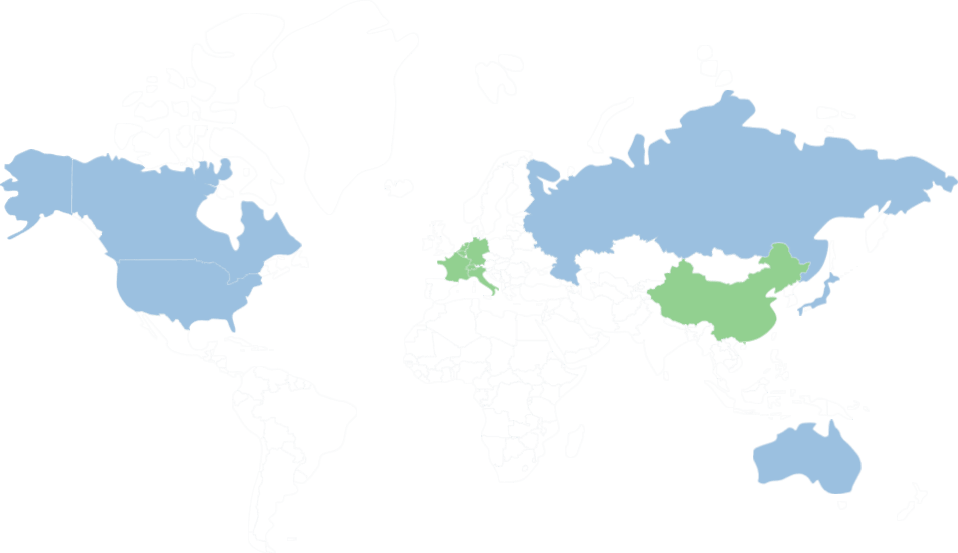
Where Can You Travel With Us?
TAKE A LOOK AT OUR MAP
France
Italy
Netherlands
Luxembourg
Austria
Germany
Belgium
Switzerland
Denmark
Sweden
Norway
Hungary
Czech
Ukraine
China
Active
France, Italy, Netherlands, Luxembourg, Austria, Germany, Belgium, Switzerland, Denmark, Sweden, Norway, Hungary, Czech, Ukraine, China
Upcoming
USA, Canada, Spain, Poland, Japan
Other Train Trips From Brussels

Brussels to Lens BE

Brussels to Maubray

Brussels to Lommel

Brussels to Haacht
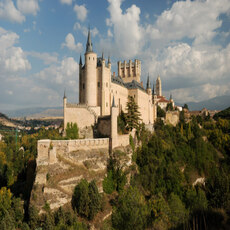
Brussels to Ath
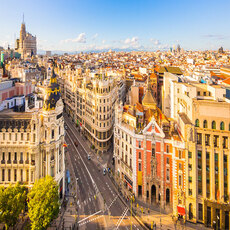
Brussels to Landen

Brussels to Theux

Brussels to Alken
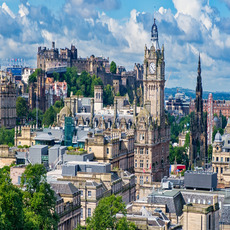
Brussels to Leuven

Brussels to Beignee

Brussels to Forrieres
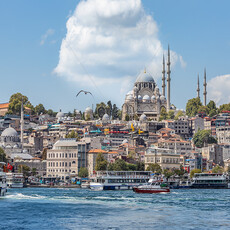
Brussels to Rixensart
Brussels to Niel

Brussels to Bokrijk
Brussels to Philippeville

Brussels to Ronse Renaix

Brussels to Courcelles Motte

Brussels to Luttre

Brussels to Marloie
Brussels to Dave Saint Martin

Brussels to Haaltert
Brussels to Quevy
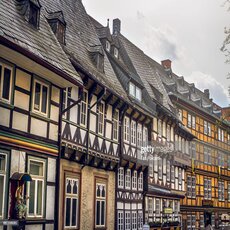
Brussels to Oudenaarde
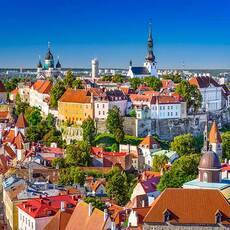
Brussels to Jamioulx

Brussels to Hoboken Polder
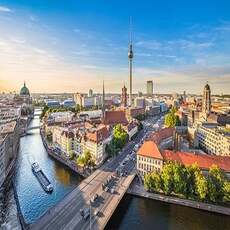
Brussels to Beauraing

Brussels to Watermael

Brussels to Begijnendijk
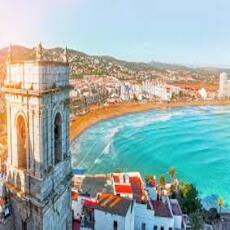
Brussels to Hansbeke

Brussels to Gouvy
WHY YOU SHOULD TRAVEL BY TRAIN?
To travel from Brussels To Hasselt, trains would be the best travel choice, for several reasons:
1
Eco-Friendly
Trains are the most environmentally-friendly way of transport to the EU Environment Agency. They are powered by electricity, which is renewable and has a low environmental impact.
2
Speed
Travelling by train is in most cases the fastest way to go from Rome to Milan. Trains usually travel at high speeds, making them the fastest way to get from one place to another.
3
Safety
Travelling by train is one of the safest forms of transport. Trains are heavily regulated and monitored, making them safer than other forms of transport.
4
Price
Travelling by train is often cheaper than other forms of transport, such as flying or taking a bus. Trains are often subsidized by the government, making them cheaper than other forms of transport.
5
Luggage
Travelling by train is a great way to transport luggage. Trains usually have plenty of space for luggage and they are usually safe and secure.
6
Luggage
Travelling by train is often faster than other forms of transport, such as driving or taking a bus. Trains usually travel at high speeds, making them the fastest way to get from one place to another.
7
Comfortability
Travelling by train is usually very comfortable. Trains usually have comfortable seating and plenty of legroom, making them a great way to travel.
8
Comfortability
Travelling by train is a great way to get some sleep. Trains usually have comfortable seats and plenty of legroom, making them a great way to get some rest while travelling.
9
WIFI
This is not necessarily the most important when you travel since we prefer to tell you to enjoy your travel without your phones, but on trains, you can find WIFI onboard, so you remain connected to the internet if you choose to.
THESE ARE THE TRAIN OPERATORS WE WORK WITH