MORE IMPORTANT INFORMATION ABOUT YOUR TRAVEL TO Ghent
The Train station is located at the center of Ghent
Ghent (; Dutch: Gent [ɣɛnt]; French: Gand [ɡɑ̃], traditional English Gaunt) is a city and a municipality in the Flemish Region of Belgium. It is the capital and largest city of the East Flanders province, and the third largest in the country, exceeded in size by Brussels and Antwerp. The city originally started as a settlement at the confluence of the Rivers Scheldt and Leie and in the Late Middle Ages became one of the largest and richest cities of northern Europe, with some 50,000 people in 1300. It is a port and university city. The municipality comprises the city of Ghent proper and the surrounding suburbs of Afsnee, Desteldonk, Drongen, Gentbrugge, Ledeberg, Mariakerke, Mendonk, Oostakker, Sint-Amandsberg, Sint-Denijs-Westrem, Sint-Kruis-Winkel, Wondelgem and Zwijnaarde. With 262,219 inhabitants at the beginning of 2019, Ghent is Belgium's second largest municipality by number of inhabitants.
Source:
WikipediaADDITIONAL INFORMATION ABOUT Brussels
The Train station is located at the center of Brussels
Brussels (French: Bruxelles [bʁysɛl] or [bʁyksɛl]; Dutch: Brussel [ˈbrʏsəl]), officially the Brussels-Capital Region (French: Région de Bruxelles-Capitale; Dutch: Brussels Hoofdstedelijk Gewest), is a region of Belgium comprising 19 municipalities, including the City of Brussels, which is the capital of Belgium. The Brussels-Capital Region is located in the central portion of the country and is a part of both the French Community of Belgium and the Flemish Community, but is separate from the Flemish Region (within which it forms an enclave) and the Walloon Region. Brussels is the most densely populated and the richest region in Belgium in terms of GDP per capita. It covers 162 km2 (63 sq mi), a relatively small area compared to the two other regions, and has a population of over 1.2 million. The five times larger metropolitan area of Brussels comprises over 2.5 million people, which makes it the largest in Belgium.
Source:
WikipediaImages of the trains for your trip
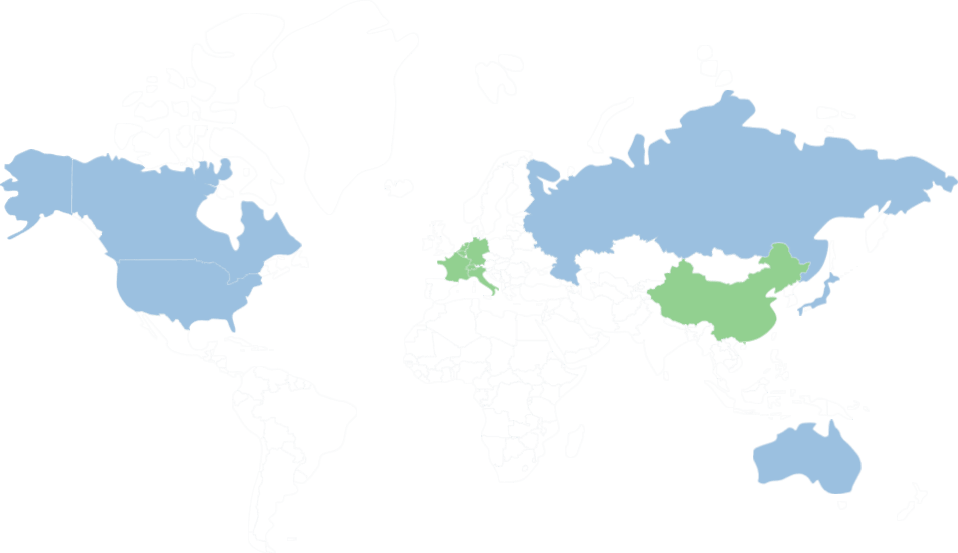
Where Can You Travel With Us?
TAKE A LOOK AT OUR MAP
France
Italy
Netherlands
Luxembourg
Austria
Germany
Belgium
Switzerland
Denmark
Sweden
Norway
Hungary
Czech
Ukraine
China
Active
France, Italy, Netherlands, Luxembourg, Austria, Germany, Belgium, Switzerland, Denmark, Sweden, Norway, Hungary, Czech, Ukraine, China
Upcoming
USA, Canada, Spain, Poland, Japan
Other Train Trips From Brussels

Brussels Zaventem Airport to Lommel

Brussels Zaventem Airport to Brugelette

Brussels Zaventem Airport to Nossegem

Brussels Zaventem Airport to Brussels West

Brussels Zaventem Airport to Chastre

Brussels Zaventem Airport to Zele

Brussels Zaventem Airport to Ede BE

Brussels Zaventem Airport to Genly

Brussels Zaventem Airport to Brussels Meiser

Brussels Zaventem Airport to Mechelen

Brussels Zaventem Airport to Herstal

Brussels Zaventem Airport to Knokke

Brussels Zaventem Airport to Eine

Brussels Zaventem Airport to Watermael

Brussels Zaventem Airport to Verviers

Brussels Zaventem Airport to Diest

Brussels Zaventem Airport to Mouscron

Brussels Zaventem Airport to Ternat

Brussels Zaventem Airport to Hemiksem

Brussels Zaventem Airport to Voroux Goreux

Brussels Zaventem Airport to Liedekerke

Brussels Zaventem Airport to Kessel

Brussels Zaventem Airport to Nimy

Brussels Zaventem Airport to Melkouwen

Brussels Zaventem Airport to Vielsalm

Brussels Zaventem Airport to Silly

Brussels Zaventem Airport to Heist Op Den Berg

Brussels Zaventem Airport to Chapelle Dieu

Brussels Zaventem Airport to Liege Jonfosse

Brussels Zaventem Airport to Comines Komen
WHY YOU SHOULD TRAVEL BY TRAIN?
To travel from Brussels To Ghent, trains would be the best travel choice, for several reasons:
1
Eco-Friendly
Trains are the most environmentally-friendly way of transport to the EU Environment Agency. They are powered by electricity, which is renewable and has a low environmental impact.
2
Speed
Travelling by train is in most cases the fastest way to go from Rome to Milan. Trains usually travel at high speeds, making them the fastest way to get from one place to another.
3
Safety
Travelling by train is one of the safest forms of transport. Trains are heavily regulated and monitored, making them safer than other forms of transport.
4
Price
Travelling by train is often cheaper than other forms of transport, such as flying or taking a bus. Trains are often subsidized by the government, making them cheaper than other forms of transport.
5
Luggage
Travelling by train is a great way to transport luggage. Trains usually have plenty of space for luggage and they are usually safe and secure.
6
Luggage
Travelling by train is often faster than other forms of transport, such as driving or taking a bus. Trains usually travel at high speeds, making them the fastest way to get from one place to another.
7
Comfortability
Travelling by train is usually very comfortable. Trains usually have comfortable seating and plenty of legroom, making them a great way to travel.
8
Comfortability
Travelling by train is a great way to get some sleep. Trains usually have comfortable seats and plenty of legroom, making them a great way to get some rest while travelling.
9
WIFI
This is not necessarily the most important when you travel since we prefer to tell you to enjoy your travel without your phones, but on trains, you can find WIFI onboard, so you remain connected to the internet if you choose to.
THESE ARE THE TRAIN OPERATORS WE WORK WITH