GET THE BEST TRAIN
TRAVEL OFFERS
ORDER A TRAIN TICKET
FAST AND EASY

CHOOSE HOW YOU
WANT TO PAY

Distance from Capo To Palermo is 88 Kilometer

You will save the environment by 73% in terms of Carbon footprint if you travel between Capo to Palermo by Trains and not by Airplane

You will save the environment by 62% in terms of Carbon footprint if you travel between Capo to Palermo by Trains vs Cars

You can order Train Ticket ticket from Capo To Palermo 3 Months ahead of your departure date

Save A Train is the first cheapest for all Train travel needs for leisure travelers and business travelers

You can pay for your train trip to Palermo by these Payment terms Mastecard, Visa, American Express. Maestro creadits cards but aslo with the following alternative payment methodes: Paypal, Alipay, WeChat, Trustly, ideal, sofort and more.

Remember traveling by train is very scenic experience especially if you train travel between Capo and Palermo, enjoy!
Monday,
Dec 29
Palermo
4°

Tuesday,
Dec 30
Palermo
7°

Wednesday,
Dec 31
Palermo
8°
Thursday,
Jan 1
Palermo
6°
Friday,
Jan 2
Palermo
5°
Friday,
Jan 2
Palermo
9°
SEE HOW YOUR TRAIN TRIP FROM Capo to Palermo WILL LOOK LIKE

MORE IMPORTANT INFORMATION ABOUT YOUR TRAVEL TO Palermo
The Train station is located at the center of Palermo
Palermo ( pə-LAIR-moh, -LUR-, Italian: [paˈlɛrmo]; Sicilian: Palermu, locally [paˈlɛmmʊ]; Latin: Panormus, from Greek: Πάνορμος, romanized: Pánormos) is a city of Southern Italy, the capital of both the autonomous region of Sicily and the Metropolitan City of Palermo. The city is noted for its history, culture, architecture and gastronomy, playing an important role throughout much of its existence; it is over 2,700 years old. Palermo is located in the northwest of the island of Sicily, right by the Gulf of Palermo in the Tyrrhenian Sea. The city was founded in 734 BC by the Phoenicians as Ziz. Palermo then became a possession of Carthage. Two Greek colonies were established, known collectively as Panormos or "All-Port"; the Carthaginians used this name on their coins after the 5th century BC.
Source:
WikipediaADDITIONAL INFORMATION ABOUT Capo
The Train station is located at the center of Capo
A capo (short for capodastro, capo tasto or capotasto [kapoˈtasto], Italian for "head of fretboard"; Spanish: cejilla [θe.ˈxi.ʝa], capo [kapo] or capodastro; French: capodastre; German: Kapodaster; Portuguese: capotraste, Serbo-Croatian: kapodaster; Greek: kapotasta) is a device a musician uses on the neck of a stringed (typically fretted) instrument to transpose and shorten the playable length of the strings—hence raising the pitch. It is a common tool for players of guitars, mandolins, mandolas, banjos, ukuleles and bouzoukis. The word derives from the Italian capotasto, which means the nut of a stringed instrument. The earliest known use of capotasto is by Giovanni Battista Doni who, in his Annotazioni of 1640, uses it to describe the nut of a viola da gamba. The first patented capo was designed by James Ashborn of Wolcottville, Connecticut.Musicians commonly use a capo to raise the pitch of a fretted instrument so they can play in a different key using the same fingerings as playing open (i.e., without a capo).
Source:
WikipediaImages of the trains for your trip


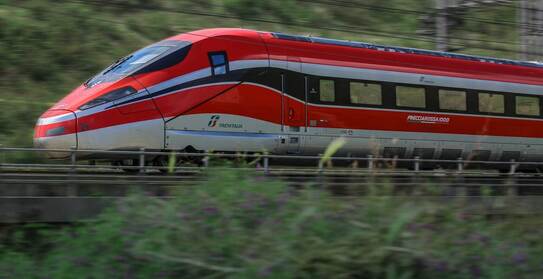
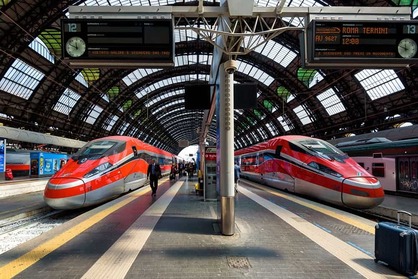


Where Can You Travel With Us?
TAKE A LOOK AT OUR MAP
France
Italy
Netherlands
Luxembourg
Austria
Germany
Belgium
Switzerland
Denmark
Sweden
Norway
Hungary
Czech
Ukraine
China
Active
France, Italy, Netherlands, Luxembourg, Austria, Germany, Belgium, Switzerland, Denmark, Sweden, Norway, Hungary, Czech, Ukraine, China
Upcoming
USA, Canada, Spain, Poland, Japan

Other Train Trips From Capo

Capo D Orlando Naso to Sorrento Circumvesuviana

Capo D Orlando Naso to Sairano Zinasco
Capo D Orlando Naso to Albate Camerlata

Capo D Orlando Naso to Lipari Porto

Capo D Orlando Naso to Lapio
Capo D Orlando Naso to Agliano Castelnuovo Calcea

Capo D Orlando Naso to Ancona Piazza Kennedy

Capo D Orlando Naso to Morra De Sanctis Teora
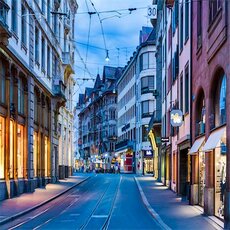
Capo D Orlando Naso to Morosolo Casciago

Capo D Orlando Naso to Piazza Brancoli

Capo D Orlando Naso to Scaletta Zanclea
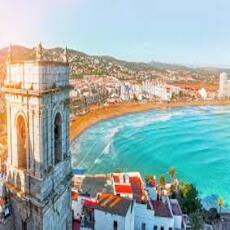
Capo D Orlando Naso to Tradate

Capo D Orlando Naso to Duomo Via Vernieri
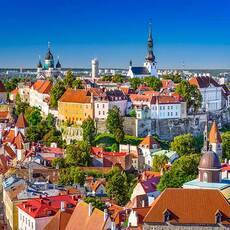
Capo D Orlando Naso to Anguillara Sabazia City

Capo D Orlando Naso to Monteroni Di Lecce

Capo D Orlando Naso to Bollate

Capo D Orlando Naso to Galliano

Capo D Orlando Naso to Guazzolo

Capo D Orlando Naso to Vidalengo

Capo D Orlando Naso to Acaja

Capo D Orlando Naso to Orotelli
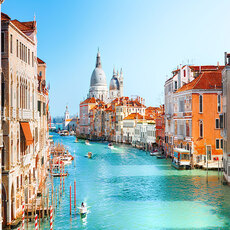
Capo D Orlando Naso to Bergamo Ospedale

Capo D Orlando Naso to Ozzano Taro

Capo D Orlando Naso to San Pietro Avellana Capracotta

Capo D Orlando Naso to San Gennaro

Capo D Orlando Naso to Bosco Cs

Capo D Orlando Naso to Dragoni
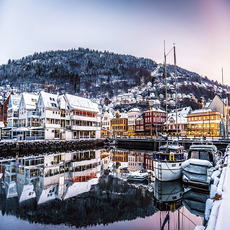
Capo D Orlando Naso to Vibonati
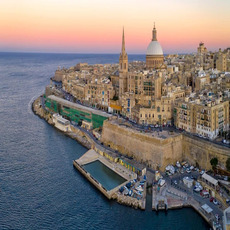
Capo D Orlando Naso to Bellavista

Capo D Orlando Naso to Poggio Mirteto
WHY YOU SHOULD TRAVEL BY TRAIN?
To travel from Capo To Palermo, trains would be the best travel choice, for several reasons:
1
Eco-Friendly
Trains are the most environmentally-friendly way of transport to the EU Environment Agency. They are powered by electricity, which is renewable and has a low environmental impact.
2
Speed
Travelling by train is in most cases the fastest way to go from Rome to Milan. Trains usually travel at high speeds, making them the fastest way to get from one place to another.
3
Safety
Travelling by train is one of the safest forms of transport. Trains are heavily regulated and monitored, making them safer than other forms of transport.
4
Price
Travelling by train is often cheaper than other forms of transport, such as flying or taking a bus. Trains are often subsidized by the government, making them cheaper than other forms of transport.
5
Luggage
Travelling by train is a great way to transport luggage. Trains usually have plenty of space for luggage and they are usually safe and secure.
6
Luggage
Travelling by train is often faster than other forms of transport, such as driving or taking a bus. Trains usually travel at high speeds, making them the fastest way to get from one place to another.
7
Comfortability
Travelling by train is usually very comfortable. Trains usually have comfortable seating and plenty of legroom, making them a great way to travel.
8
Comfortability
Travelling by train is a great way to get some sleep. Trains usually have comfortable seats and plenty of legroom, making them a great way to get some rest while travelling.
9
WIFI
This is not necessarily the most important when you travel since we prefer to tell you to enjoy your travel without your phones, but on trains, you can find WIFI onboard, so you remain connected to the internet if you choose to.
THESE ARE THE TRAIN OPERATORS WE WORK WITH