GET THE BEST TRAIN
TRAVEL OFFERS

ORDER A TRAIN TICKET
FAST AND EASY

CHOOSE HOW YOU
WANT TO PAY

Distance from Carcassonne To Avignon is 163 Kilometer

You will save the environment by 66% in terms of Carbon footprint if you travel between Carcassonne to Avignon by Trains and not by Airplane

You will save the environment by 55% in terms of Carbon footprint if you travel between Carcassonne to Avignon by Trains vs Cars

You can order Train Ticket ticket from Carcassonne To Avignon 3 Months ahead of your departure date

Save A Train is the first cheapest for all Train travel needs for leisure travelers and business travelers

You can pay for your train trip to Avignon by these Payment terms Mastecard, Visa, American Express. Maestro creadits cards but aslo with the following alternative payment methodes: Paypal, Alipay, WeChat, Trustly, ideal, sofort and more.

Remember traveling by train is very scenic experience especially if you train travel between Carcassonne and Avignon, enjoy!
Sunday,
Dec 21
Avignon
9°

Monday,
Dec 22
Avignon
12°
Tuesday,
Dec 23
Avignon
10°
Wednesday,
Dec 24
Avignon
7°

Thursday,
Dec 25
Avignon
4°
Thursday,
Dec 25
Avignon
2°
MORE IMPORTANT INFORMATION ABOUT YOUR TRAVEL TO Avignon
The Train station is located at the center of Avignon
Avignon (UK: US: French: [aviɲɔ̃]; Provençal: Avinhon (Classical norm) or Avignoun (Mistralian norm) [aviˈɲun]; Latin: Avenio) is a commune in south-eastern France in the department of Vaucluse on the left bank of the Rhône river. Of the 90,194 inhabitants of the city (as of 2011), about 12,000 live in the ancient town centre enclosed by its medieval ramparts. Between 1309 and 1377, during the Avignon Papacy, seven successive popes resided in Avignon and in 1348 Pope Clement VI bought the town from Joanna I of Naples. Papal control persisted until 1791 when, during the French Revolution, it became part of France. The town is now the capital of the Vaucluse department and one of the few French cities to have preserved its ramparts. The historic centre, which includes the Palais des Papes, the cathedral, and the Pont d'Avignon, became a UNESCO World Heritage Site in 1995. The medieval monuments and the annual Festival d'Avignon have helped to make the town a major centre for tourism.
Source:
WikipediaADDITIONAL INFORMATION ABOUT Carcassonne
The Train station is located at the center of Carcassonne
Carcassonne (, also US: French: [kaʁkasɔn]; Occitan: Carcassona [kaɾkaˈsunɔ]; Latin: Carcaso) is a French fortified city in the department of Aude, in the region of Occitanie. A prefecture, it has a population of about 50,000. Inhabited since the Neolithic period, Carcassonne is located in the plain of the river Aude between historic trade routes, linking the Atlantic to the Mediterranean Sea and the Massif Central to the Pyrénées. Its strategic importance was quickly recognized by the Romans, who occupied its hilltop until the demise of the Western Roman Empire. In the fifth century, it was taken over by the Visigoths, who founded the city. Its strategic location led successive rulers to expand its fortifications until the Treaty of the Pyrenees in 1659. Its citadel, known as the Cité de Carcassonne, is a medieval fortress dating back to the Gallo-Roman period and restored by the theorist and architect Eugène Viollet-le-Duc in 1853.
Source:
WikipediaImages of the trains for your trip
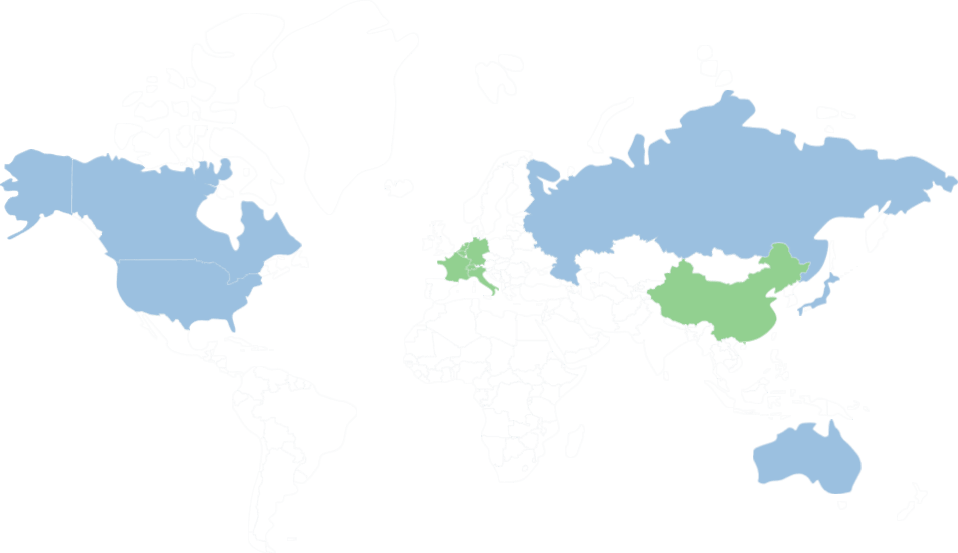
Where Can You Travel With Us?
TAKE A LOOK AT OUR MAP
France
Italy
Netherlands
Luxembourg
Austria
Germany
Belgium
Switzerland
Denmark
Sweden
Norway
Hungary
Czech
Ukraine
China
Active
France, Italy, Netherlands, Luxembourg, Austria, Germany, Belgium, Switzerland, Denmark, Sweden, Norway, Hungary, Czech, Ukraine, China
Upcoming
USA, Canada, Spain, Poland, Japan
Other Train Trips From Carcassonne

Carcassonne to Saint Rambert D Albon
Carcassonne to Vitre
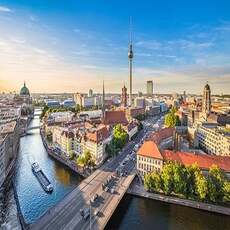
Carcassonne to Saverne
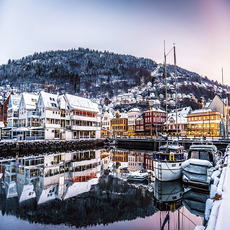
Carcassonne to Croix L Allumette
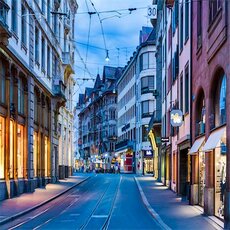
Carcassonne to Saint Germain At Mont D Or
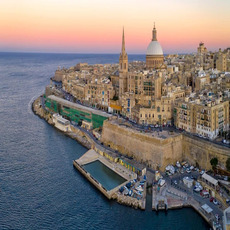
Carcassonne to Quimper

Carcassonne to Tourcoing
Carcassonne to Boulogne Ville

Carcassonne to Dol

Carcassonne to Moulins Sur Allier

Carcassonne to Baisieux

Carcassonne to Nice Ville

Carcassonne to Lourdes

Carcassonne to Haubourdin

Carcassonne to Montbard

Carcassonne to Obermodern

Carcassonne to Saint Gilles Croix De Vie

Carcassonne to Vernon

Carcassonne to Thonon Les Bains
Carcassonne to Roc Amadour Padirac

Carcassonne to Marseilles

Carcassonne to Culoz

Carcassonne to Verdun
Carcassonne to Saint Jean De Luz

Carcassonne to Hellemmes

Carcassonne to Romilly Sur Seine

Carcassonne to Nimes Pont Du Gard

Carcassonne to Alencon
Carcassonne to Frejus

Carcassonne to Orange
WHY YOU SHOULD TRAVEL BY TRAIN?
To travel from Carcassonne To Avignon, trains would be the best travel choice, for several reasons:
1
Eco-Friendly
Trains are the most environmentally-friendly way of transport to the EU Environment Agency. They are powered by electricity, which is renewable and has a low environmental impact.
2
Speed
Travelling by train is in most cases the fastest way to go from Rome to Milan. Trains usually travel at high speeds, making them the fastest way to get from one place to another.
3
Safety
Travelling by train is one of the safest forms of transport. Trains are heavily regulated and monitored, making them safer than other forms of transport.
4
Price
Travelling by train is often cheaper than other forms of transport, such as flying or taking a bus. Trains are often subsidized by the government, making them cheaper than other forms of transport.
5
Luggage
Travelling by train is a great way to transport luggage. Trains usually have plenty of space for luggage and they are usually safe and secure.
6
Luggage
Travelling by train is often faster than other forms of transport, such as driving or taking a bus. Trains usually travel at high speeds, making them the fastest way to get from one place to another.
7
Comfortability
Travelling by train is usually very comfortable. Trains usually have comfortable seating and plenty of legroom, making them a great way to travel.
8
Comfortability
Travelling by train is a great way to get some sleep. Trains usually have comfortable seats and plenty of legroom, making them a great way to get some rest while travelling.
9
WIFI
This is not necessarily the most important when you travel since we prefer to tell you to enjoy your travel without your phones, but on trains, you can find WIFI onboard, so you remain connected to the internet if you choose to.
THESE ARE THE TRAIN OPERATORS WE WORK WITH