GET THE BEST TRAIN
TRAVEL OFFERS

ORDER A TRAIN TICKET
FAST AND EASY

CHOOSE HOW YOU
WANT TO PAY

Distance from Chemnitz To Aschaffenburg is 243 Kilometer

You will save the environment by 66% in terms of Carbon footprint if you travel between Chemnitz to Aschaffenburg by Trains and not by Airplane

You will save the environment by 55% in terms of Carbon footprint if you travel between Chemnitz to Aschaffenburg by Trains vs Cars

You can order Train Ticket ticket from Chemnitz To Aschaffenburg 3 Months ahead of your departure date

Save A Train is the first cheapest for all Train travel needs for leisure travelers and business travelers

You can pay for your train trip to Aschaffenburg by these Payment terms Mastecard, Visa, American Express. Maestro creadits cards but aslo with the following alternative payment methodes: Paypal, Alipay, WeChat, Trustly, ideal, sofort and more.

Remember traveling by train is very scenic experience especially if you train travel between Chemnitz and Aschaffenburg, enjoy!
Monday,
Jan 12
Aschaffenburg
-3°

Tuesday,
Jan 13
Aschaffenburg
2°
Wednesday,
Jan 14
Aschaffenburg
2°
Thursday,
Jan 15
Aschaffenburg
5°
Friday,
Jan 16
Aschaffenburg
4°
Friday,
Jan 16
Aschaffenburg
4°
SEE HOW YOUR TRAIN TRIP FROM Chemnitz to Aschaffenburg WILL LOOK LIKE

MORE IMPORTANT INFORMATION ABOUT YOUR TRAVEL TO Aschaffenburg
The Train station is located at the center of Aschaffenburg
Aschaffenburg is a town in northwest Bavaria, Germany. The town of Aschaffenburg is not considered part of the district of Aschaffenburg, but is the administrative seat. Aschaffenburg belonged to the Archbishopric of Mainz for more than 800 years. The town is located at the westernmost border of Lower Franconia and separated from the central and eastern part of the Regierungsbezirk (administrative region) by the Spessart hills, whereas it opens towards the Rhine-Main plain in the west and north-west. Therefore, the inhabitants speak neither Bavarian nor East Franconian but rather a local version of Rhine Franconian.
Source:
WikipediaADDITIONAL INFORMATION ABOUT Chemnitz
The Train station is located at the center of Chemnitz
Chemnitz (German: [ˈkɛmnɪts], from 1953 to 1990: Karl-Marx-Stadt; Upper and Lower Sorbian: Kamjenica; Czech: Saská Kamenice) is the third largest city in the German federal state of Saxony after Leipzig and Dresden. It is the 28th largest city of Germany as well as the fourth largest city in the area of former East Germany after (East) Berlin, Leipzig and Dresden. The city is part of the Central German Metropolitan Region, and lies in the middle of a string of cities sitting in the densely populated northern foreland of the Elster and Ore Mountains, stretching from Plauen in the southwest via Zwickau, Chemnitz and Freiberg to Dresden in the northeast. Located in the Ore Mountain Basin, the city is surrounded by the Ore Mountains to the south and the Central Saxon Hill Country to the north. The city stands on the Chemnitz River (progression: Zwickauer Mulde→ Mulde→ Elbe→ North Sea), which is formed through the confluence of the rivers Zwönitz and Würschnitz in the borough of Altchemnitz. The name of the city as well as the names of the rivers are of Slavic origin. Chemnitz is the third largest in the Thuringian-Upper Saxon dialect area after Leipzig and Dresden.
Source:
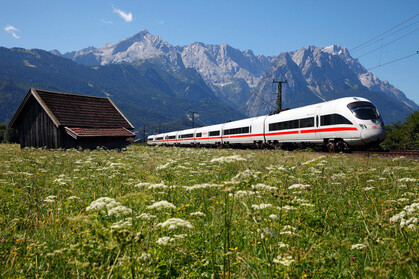
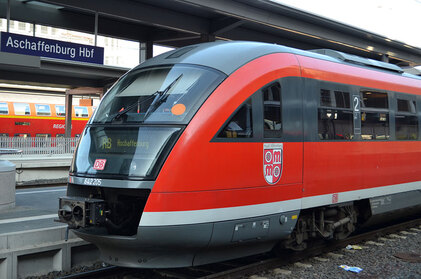
WikipediaImages of the trains for your trip




Where Can You Travel With Us?
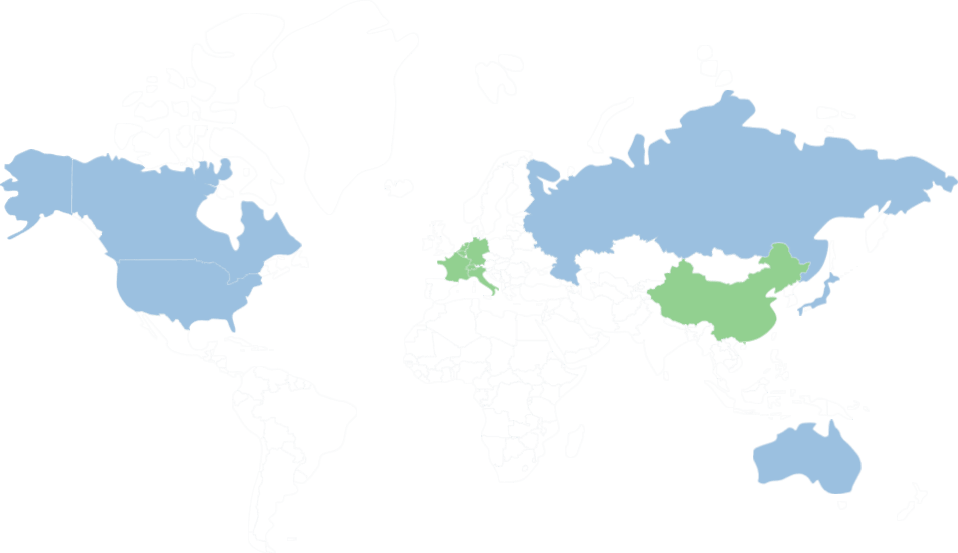
TAKE A LOOK AT OUR MAP
France
Italy
Netherlands
Luxembourg
Austria
Germany
Belgium
Switzerland
Denmark
Sweden
Norway
Hungary
Czech
Ukraine
China
Active
France, Italy, Netherlands, Luxembourg, Austria, Germany, Belgium, Switzerland, Denmark, Sweden, Norway, Hungary, Czech, Ukraine, China
Upcoming
USA, Canada, Spain, Poland, Japan
Other Train Trips From Chemnitz
Chemnitz to Bietingen

Chemnitz to Itzehoe

Chemnitz to Ludwigsburg

Chemnitz to Hanover Airport

Chemnitz to Bogen

Chemnitz to Hanover North

Chemnitz to Munich
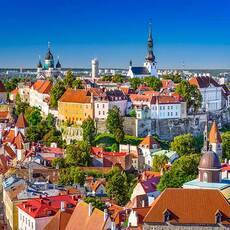
Chemnitz to Hagen Vorhalle

Chemnitz to Dusseldorf Rath
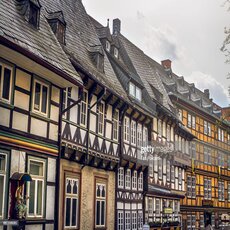
Chemnitz to Lauffen Neckar
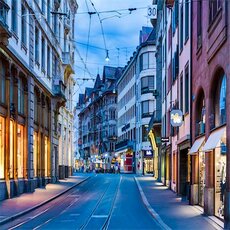
Chemnitz to Wuppertal Zoological Garden
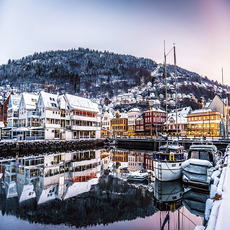
Chemnitz to Konigs Wusterhausen

Chemnitz to Meppen

Chemnitz to Sagard

Chemnitz to Neuharlingersiel

Chemnitz to Hamburg Rissen

Chemnitz to Hergatz

Chemnitz to Darmstadt South

Chemnitz to Werbig

Chemnitz to Bodenfelde

Chemnitz to Altdorf Bei Nurnberg

Chemnitz to Quelle Kupferheide

Chemnitz to Alpirsbach

Chemnitz to Bad Salzungen

Chemnitz to Lebach

Chemnitz to Orschweier

Chemnitz to Hohenbudberg Bay

Chemnitz to Scharbeutz

Chemnitz to Wickrath

Chemnitz to Zossen
WHY YOU SHOULD TRAVEL BY TRAIN?
To travel from Chemnitz To Aschaffenburg, trains would be the best travel choice, for several reasons:
1
Eco-Friendly
Trains are the most environmentally-friendly way of transport to the EU Environment Agency. They are powered by electricity, which is renewable and has a low environmental impact.
2
Speed
Travelling by train is in most cases the fastest way to go from Rome to Milan. Trains usually travel at high speeds, making them the fastest way to get from one place to another.
3
Safety
Travelling by train is one of the safest forms of transport. Trains are heavily regulated and monitored, making them safer than other forms of transport.
4
Price
Travelling by train is often cheaper than other forms of transport, such as flying or taking a bus. Trains are often subsidized by the government, making them cheaper than other forms of transport.
5
Luggage
Travelling by train is a great way to transport luggage. Trains usually have plenty of space for luggage and they are usually safe and secure.
6
Luggage
Travelling by train is often faster than other forms of transport, such as driving or taking a bus. Trains usually travel at high speeds, making them the fastest way to get from one place to another.
7
Comfortability
Travelling by train is usually very comfortable. Trains usually have comfortable seating and plenty of legroom, making them a great way to travel.
8
Comfortability
Travelling by train is a great way to get some sleep. Trains usually have comfortable seats and plenty of legroom, making them a great way to get some rest while travelling.
9
WIFI
This is not necessarily the most important when you travel since we prefer to tell you to enjoy your travel without your phones, but on trains, you can find WIFI onboard, so you remain connected to the internet if you choose to.
THESE ARE THE TRAIN OPERATORS WE WORK WITH