GET THE BEST TRAIN
TRAVEL OFFERS

ORDER A TRAIN TICKET
FAST AND EASY

CHOOSE HOW YOU
WANT TO PAY

Distance from Dongguan To Shenzhen is 151 Kilometer

You will save the environment by 75% in terms of Carbon footprint if you travel between Dongguan to Shenzhen by Trains and not by Airplane

You will save the environment by 64% in terms of Carbon footprint if you travel between Dongguan to Shenzhen by Trains vs Cars

You can order Train Ticket ticket from Dongguan To Shenzhen 3 Months ahead of your departure date

Save A Train is the first cheapest for all Train travel needs for leisure travelers and business travelers

You can pay for your train trip to Shenzhen by these Payment terms Mastecard, Visa, American Express. Maestro creadits cards but aslo with the following alternative payment methodes: Paypal, Alipay, WeChat, Trustly, ideal, sofort and more.

Remember traveling by train is very scenic experience especially if you train travel between Dongguan and Shenzhen, enjoy!
Monday,
Dec 29
Shenzhen
16°

Tuesday,
Dec 30
Shenzhen
17°
Wednesday,
Dec 31
Shenzhen
18°

Thursday,
Jan 1
Shenzhen
17°
Friday,
Jan 2
Shenzhen
11°
Friday,
Jan 2
Shenzhen
11°
SEE HOW YOUR TRAIN TRIP FROM Dongguan to Shenzhen WILL LOOK LIKE

MORE IMPORTANT INFORMATION ABOUT YOUR TRAVEL TO Shenzhen
The Train station is located at the center of Shenzhen
Shenzhen is a city and special economic zone on the east bank of the Pearl River estuary on the central coast of the southern Chinese province of Guangdong, bordering Hong Kong to the south, Dongguan to the north, Huizhou to the northeast, and Macau to the southwest. With a population of 17.5 million in 2020, Shenzhen is the third most populous city by urban population in China after Shanghai and Beijing. Shenzhen is a global center in technology, research, manufacturing, business and economics, finance, tourism and transportation, and the Port of Shenzhen is the world's fourth busiest container port. Shenzhen roughly follows the administrative boundaries of Bao'an County, which was established in imperial times. The southern portion of Bao'an County became part of British Hong Kong after the Opium Wars, while the village of Shenzhen was on the border. Shenzhen railway station was the last stop on the mainland Chinese section of the Kowloon–Canton Railway, and Shenzhen's economy grew and it became a city by 1979. In the early 1980s, economic reforms introduced by Deng Xiaoping resulted in the city becoming the first special economic zone of China due to its close proximity to Hong Kong, attracting foreign direct investment and migrants searching for opportunities.
Source:
WikipediaADDITIONAL INFORMATION ABOUT Dongguan
The Train station is located at the center of Dongguan
Dongguan is a prefecture-level city in central Guangdong Province, China. An important industrial city in the Pearl River Delta, Dongguan borders the provincial capital of Guangzhou to the north, Huizhou to the northeast, Shenzhen to the south, and the Pearl River to the west. It is part of the Pearl River Delta built-up (or metro) area with more than 65.57 million inhabitants as of the 2020 census spread over nine municipalities across an area of 19,870 square kilometers (7,670 sq mi). Dongguan's city administration is considered especially progressive in seeking foreign direct investment. Dongguan ranks behind only Shenzhen, Shanghai and Suzhou in exports among Chinese cities, with $65.54 billion in shipments. It is also home to one of the world's largest shopping malls, the New South China Mall, which is seeing increased activity.
Source:
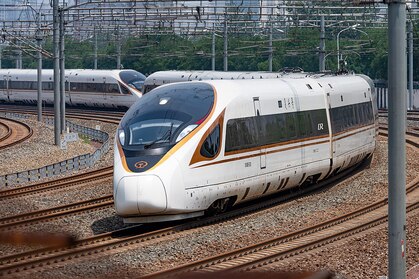
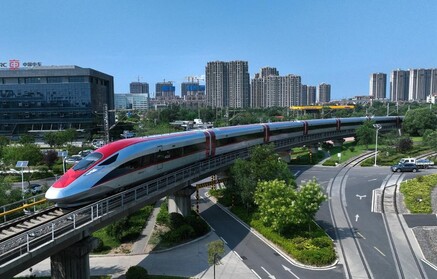
WikipediaImages of the trains for your trip
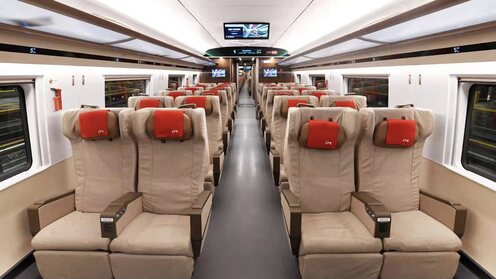
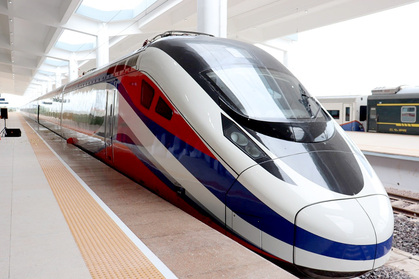
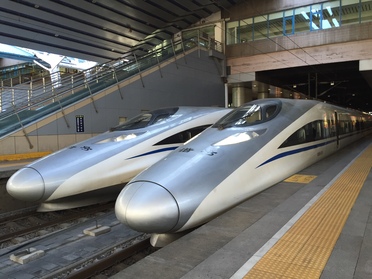
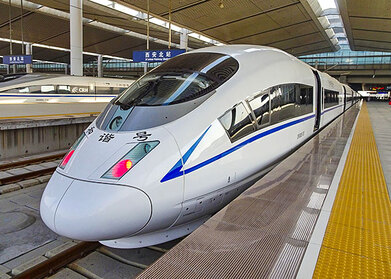
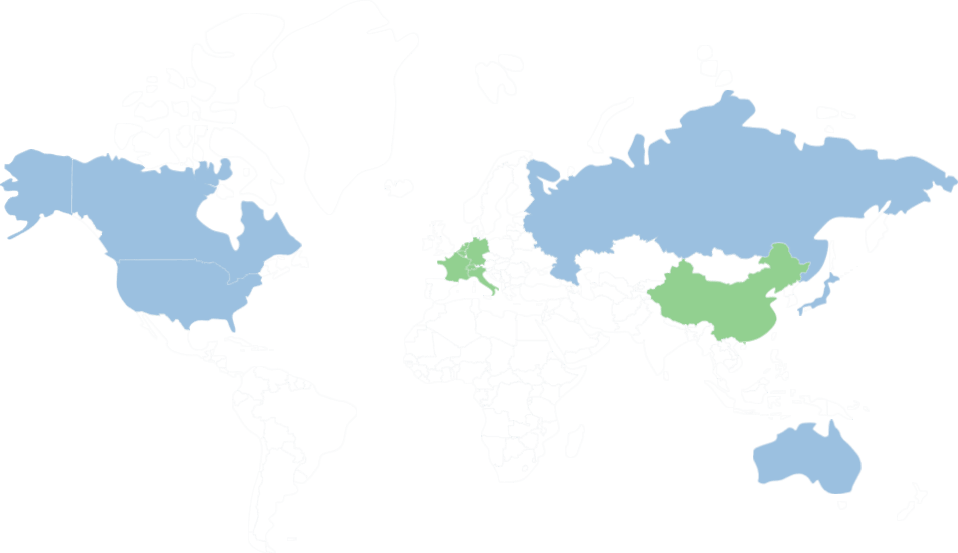
Where Can You Travel With Us?
TAKE A LOOK AT OUR MAP
France
Italy
Netherlands
Luxembourg
Austria
Germany
Belgium
Switzerland
Denmark
Sweden
Norway
Hungary
Czech
Ukraine
China
Active
France, Italy, Netherlands, Luxembourg, Austria, Germany, Belgium, Switzerland, Denmark, Sweden, Norway, Hungary, Czech, Ukraine, China
Upcoming
USA, Canada, Spain, Poland, Japan
Other Train Trips From Dongguan

Dongguan to Shenzhen

Dongguan to Shangzhi
Dongguan to Ningjia
Dongguan to Fenggaopu
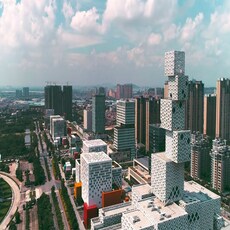
Dongguan to Huaxian South
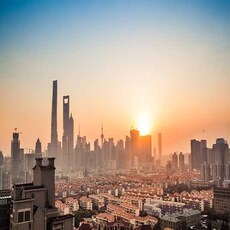
Dongguan to Nanchengsi
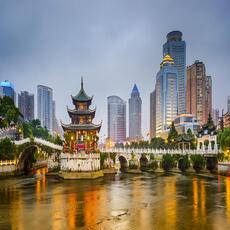
Dongguan to Tangshanxi

Dongguan to Longhua Hebei
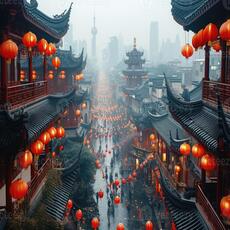
Dongguan to Tuha
Dongguan to Pingfang
Dongguan to Neijiang South
Dongguan to Song
Dongguan to Lujiazhuang
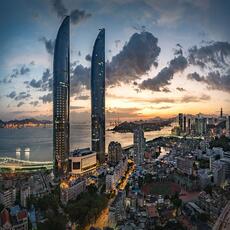
Dongguan to Tongyuanpu West

Dongguan to Zhanang
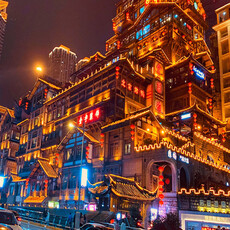
Dongguan to Hebi
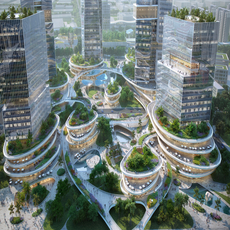
Dongguan to Enshi
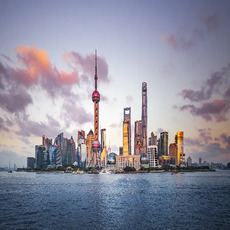
Dongguan to Fuyun
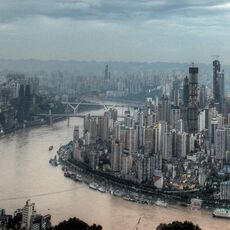
Dongguan to Haicheng
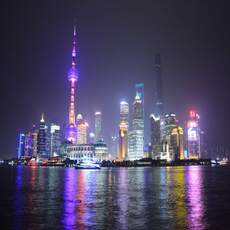
Dongguan to Chuxiong Yunnan
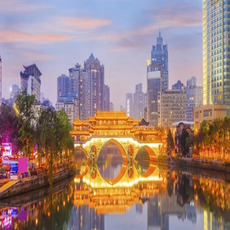
Dongguan to Jiangjia
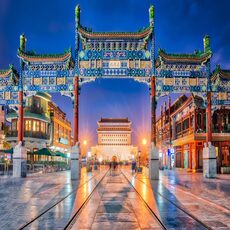
Dongguan to Fenglin
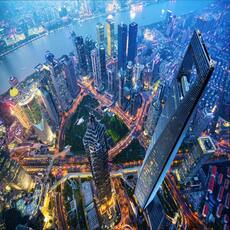
Dongguan to Chaka
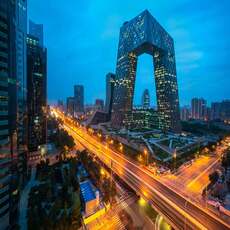
Dongguan to Nanyangzhai
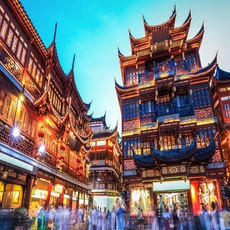
Dongguan to Mengzi North
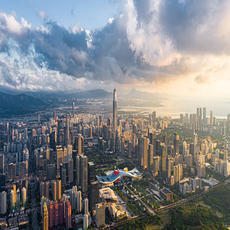
Dongguan to Huanggutun
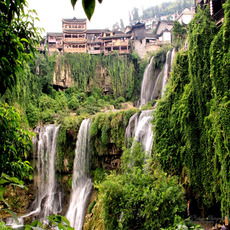
Dongguan to Dashanpu
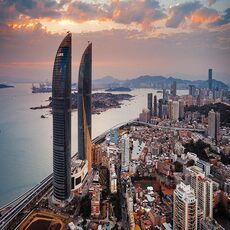
Dongguan to Jingyuan
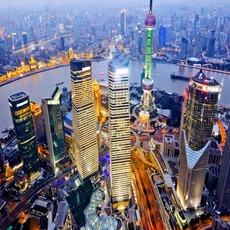
Dongguan to Gujiazuo
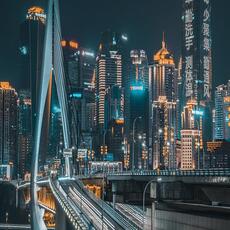
Dongguan to Liumao
WHY YOU SHOULD TRAVEL BY TRAIN?
To travel from Dongguan To Shenzhen, trains would be the best travel choice, for several reasons:
1
Eco-Friendly
Trains are the most environmentally-friendly way of transport to the EU Environment Agency. They are powered by electricity, which is renewable and has a low environmental impact.
2
Speed
Travelling by train is in most cases the fastest way to go from Rome to Milan. Trains usually travel at high speeds, making them the fastest way to get from one place to another.
3
Safety
Travelling by train is one of the safest forms of transport. Trains are heavily regulated and monitored, making them safer than other forms of transport.
4
Price
Travelling by train is often cheaper than other forms of transport, such as flying or taking a bus. Trains are often subsidized by the government, making them cheaper than other forms of transport.
5
Luggage
Travelling by train is a great way to transport luggage. Trains usually have plenty of space for luggage and they are usually safe and secure.
6
Luggage
Travelling by train is often faster than other forms of transport, such as driving or taking a bus. Trains usually travel at high speeds, making them the fastest way to get from one place to another.
7
Comfortability
Travelling by train is usually very comfortable. Trains usually have comfortable seating and plenty of legroom, making them a great way to travel.
8
Comfortability
Travelling by train is a great way to get some sleep. Trains usually have comfortable seats and plenty of legroom, making them a great way to get some rest while travelling.
9
WIFI
This is not necessarily the most important when you travel since we prefer to tell you to enjoy your travel without your phones, but on trains, you can find WIFI onboard, so you remain connected to the internet if you choose to.
THESE ARE THE TRAIN OPERATORS WE WORK WITH