GET THE BEST TRAIN
TRAVEL OFFERS
ORDER A TRAIN TICKET
FAST AND EASY
CHOOSE HOW YOU
WANT TO PAY

Distance from Dortmund To Trier is 234 Kilometer

You will save the environment by 76% in terms of Carbon footprint if you travel between Dortmund to Trier by Trains and not by Airplane

You will save the environment by 65% in terms of Carbon footprint if you travel between Dortmund to Trier by Trains vs Cars

You can order Train Ticket ticket from Dortmund To Trier 3 Months ahead of your departure date

Save A Train is the first cheapest for all Train travel needs for leisure travelers and business travelers

You can pay for your train trip to Trier by these Payment terms Mastecard, Visa, American Express. Maestro creadits cards but aslo with the following alternative payment methodes: Paypal, Alipay, WeChat, Trustly, ideal, sofort and more.

Remember traveling by train is very scenic experience especially if you train travel between Dortmund and Trier, enjoy!
SEE HOW YOUR TRAIN TRIP FROM Dortmund to Trier WILL LOOK LIKE

MORE IMPORTANT INFORMATION ABOUT YOUR TRAVEL TO Trier
The Train station is located at the center of Trier
Trier ( TREER, German: [tʁiːɐ̯]; Luxembourgish: Tréier pronounced [ˈtʀəɪ̯ɐ]), formerly known in English as Treves ( TREV; French: Trèves [tʁɛv]) and Triers (see also names in other languages), is a city on the banks of the Moselle in Germany. It lies in a valley between low vine-covered hills of red sandstone in the west of the state of Rhineland-Palatinate, near the border with Luxembourg and within the important Moselle wine region. Karl Marx, philosopher and founder of the theory that would become known as Marxism, was born in the city in 1818. Founded by the Celts in the late 4th century BC as Treuorum and conquered 300 years later by the Romans, who renamed it Augusta Treverorum ("The City of Augustus among the Treveri"), Trier has a good title for being considered Germany's oldest city. It is also the oldest seat north of the Alps of a bishop. In the Middle Ages, the archbishop-elector of Trier was an important prince of the Church who controlled land from the French border to the Rhine.
Source:
WikipediaADDITIONAL INFORMATION ABOUT Dortmund
The Train station is located at the center of Dortmund
Dortmund (, also UK: US: German: [ˈdɔʁtmʊnt]; Westphalian Low German: Düörpm [ˈdyːœɐ̯pm̩]; Latin: Tremonia) is with a population of 603,609 inhabitants as of 2020, the third-largest city of Germany's most populous federal state of North Rhine-Westphalia and Germany's eighth-largest city. It is the largest city (by area and population) of the Ruhr, Germany's largest urban area with some 5.1 million inhabitants, as well as the largest city of Westphalia. On the Emscher and Ruhr rivers (tributaries of the Rhine), it lies in the Rhine-Ruhr Metropolitan Region and is considered the administrative, commercial, and cultural centre of the eastern Ruhr. Dortmund is the second largest city in the Low German dialect area after Hamburg. Founded around 882, Dortmund became an Imperial Free City. Throughout the 13th to 14th centuries, it was the "chief city" of the Rhine, Westphalia, the Netherlands Circle of the Hanseatic League.
Source:
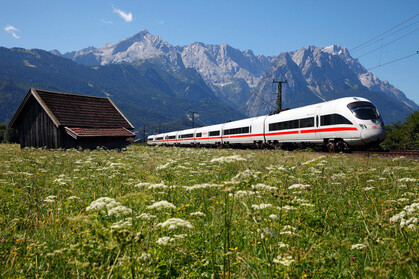
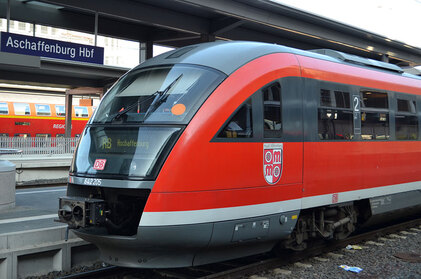
WikipediaImages of the trains for your trip




Where Can You Travel With Us?
TAKE A LOOK AT OUR MAP
France
Italy
Netherlands
Luxembourg
Austria
Germany
Belgium
Switzerland
Denmark
Sweden
Norway
Hungary
Czech
Ukraine
China
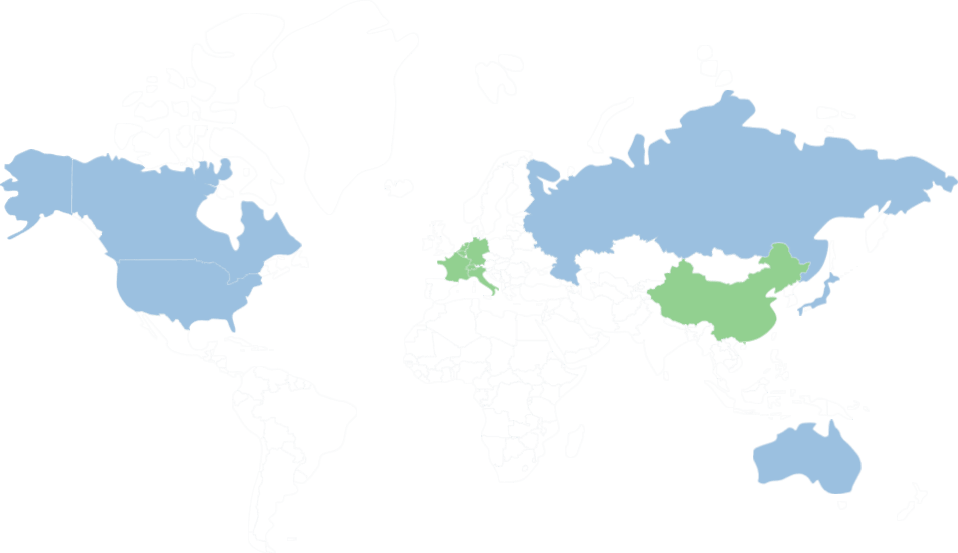
Active
France, Italy, Netherlands, Luxembourg, Austria, Germany, Belgium, Switzerland, Denmark, Sweden, Norway, Hungary, Czech, Ukraine, China
Upcoming
USA, Canada, Spain, Poland, Japan
Other Train Trips From Dortmund

Dortmund to Gerolstein

Dortmund to Sondershausen

Dortmund to Puttgarden

Dortmund to Narsdorf

Dortmund to Cadolzburg

Dortmund to Heitersheim
Dortmund to Speyer
Dortmund to Ebersbach Fils
Dortmund to Oberau
Dortmund to Michendorf

Dortmund to Praest
Dortmund to Russelsheim

Dortmund to Cottbus Sandow
Dortmund to Letmathe Dechenhohle
Dortmund to Wachtersbach

Dortmund to Bad Sachsa
Dortmund to Albbruck

Dortmund to Volkmarsen

Dortmund to Hodenhagen

Dortmund to Bad Elster
Dortmund to Lichtentanne Sachs
Dortmund to Barnten

Dortmund to Dresden Neustadt

Dortmund to Oberaudorf

Dortmund to Graben Neudorf

Dortmund to Wehr Brennet
Dortmund to Albstadt Ebingen

Dortmund to Saint Egidien

Dortmund to Wismar
Dortmund to Bredelar
WHY YOU SHOULD TRAVEL BY TRAIN?
To travel from Dortmund To Trier, trains would be the best travel choice, for several reasons:
1
Eco-Friendly
Trains are the most environmentally-friendly way of transport to the EU Environment Agency. They are powered by electricity, which is renewable and has a low environmental impact.
2
Speed
Travelling by train is in most cases the fastest way to go from Rome to Milan. Trains usually travel at high speeds, making them the fastest way to get from one place to another.
3
Safety
Travelling by train is one of the safest forms of transport. Trains are heavily regulated and monitored, making them safer than other forms of transport.
4
Price
Travelling by train is often cheaper than other forms of transport, such as flying or taking a bus. Trains are often subsidized by the government, making them cheaper than other forms of transport.
5
Luggage
Travelling by train is a great way to transport luggage. Trains usually have plenty of space for luggage and they are usually safe and secure.
6
Luggage
Travelling by train is often faster than other forms of transport, such as driving or taking a bus. Trains usually travel at high speeds, making them the fastest way to get from one place to another.
7
Comfortability
Travelling by train is usually very comfortable. Trains usually have comfortable seating and plenty of legroom, making them a great way to travel.
8
Comfortability
Travelling by train is a great way to get some sleep. Trains usually have comfortable seats and plenty of legroom, making them a great way to get some rest while travelling.
9
WIFI
This is not necessarily the most important when you travel since we prefer to tell you to enjoy your travel without your phones, but on trains, you can find WIFI onboard, so you remain connected to the internet if you choose to.
THESE ARE THE TRAIN OPERATORS WE WORK WITH