image

GET THE BEST TRAIN

TRAVEL OFFERS

image

ORDER A TRAIN TICKET

FAST AND EASY

image

CHOOSE HOW YOU

WANT TO PAY

Book Now

Monday,

Dec 15

Amsterdam

Tuesday,

Dec 16

Amsterdam

Wednesday,

Dec 17

Amsterdam

Thursday,

Dec 18

Amsterdam

11°

Friday,

Dec 19

Amsterdam

Saturday,

Dec 20

Amsterdam

SEE HOW YOUR TRAIN TRIP FROM Duisburg to Amsterdam WILL LOOK LIKE

MORE IMPORTANT INFORMATION ABOUT YOUR TRAVEL TO Amsterdam

The Train station is located at the center of Amsterdam

Amsterdam is the capital and most populous city of the Netherlands with a population of 872,680 within the city proper, 1,380,872 in the urban area and 2,410,960 in the metropolitan area. Found within the province of North Holland, Amsterdam is colloquially referred to as the "Venice of the North", attributed by the large number of canals which form a UNESCO World Heritage Site. Amsterdam's name derives from Amstelredamme, indicative of the city's origin around a dam in the river Amstel. Originating as a small fishing village in the late 12th century, Amsterdam became one of the most important ports in the world in the Dutch Golden Age of the 17th century and became the leading centre for finance and trade. In the 19th and 20th centuries, the city expanded, and many new neighbourhoods and suburbs were planned and built. The 17th-century canals of Amsterdam and the 19–20th century Defence Line of Amsterdam are on the UNESCO World Heritage List.


Source:

Wikipedia

ADDITIONAL INFORMATION ABOUT Duisburg

The Train station is located at the center of Duisburg

Duisburg is a city in the Ruhr metropolitan area of the western German state North Rhine-Westphalia. Lying on the confluence of the Rhine and the Ruhr rivers, Duisburg is one of the largest cities in Ruhr and 15th largest city in Germany. In the Middle Ages, it was city-state and a member of the Hanseatic League, and later became a major centre of iron, steel, and chemicals industries. For this reason, it was heavily bombed in World War II. Today it boasts the world's largest inland port, with 21 docks and 40 kilometres of wharf.

Source:

Wikipedia

Images of the trains for your trip

Where Can You Travel With Us?

TAKE A LOOK AT OUR MAP

France

Italy

Netherlands

Luxembourg

Austria

Germany

Belgium

Switzerland

Denmark

Sweden

Norway

Hungary

Czech

Ukraine

China

Active

France, Italy, Netherlands, Luxembourg, Austria, Germany, Belgium, Switzerland, Denmark, Sweden, Norway, Hungary, Czech, Ukraine, China

Upcoming

USA, Canada, Spain, Poland, Japan
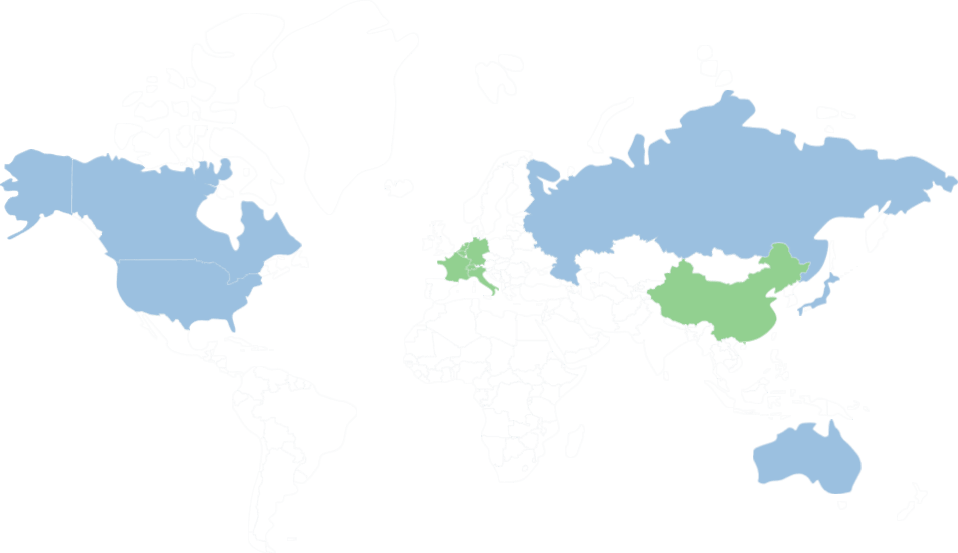
map

Other Train Trips From Duisburg

image

Duisburg to Furth Westvorstadt

image

Duisburg to Hamelerwald

image

Duisburg to Kaldenkirchen

image

Duisburg to Lindau Reutin

image

Duisburg to Bremen Oberneuland

image

Duisburg to Remscheid Luttringhausen

image

Duisburg to Preetz

image

Duisburg to Bad Kreuznach

image

Duisburg to Lindau

image

Duisburg to Darmstadt Kranichstein

image

Duisburg to Neustadt Am Rubenberge

image

Duisburg to Weeze

image

Duisburg to Erlangen Bruck

image

Duisburg to Bad Wildbad

image

Duisburg to Demmin

image

Duisburg to Horrem

image

Duisburg to Dusseldorf Reisholz

image

Duisburg to Dortmund

image

Duisburg to Bad Soden Salmunster

image

Duisburg to Jena Zwatzen

image

Duisburg to Harsdorf

image

Duisburg to Dingolfing

image

Duisburg to Mittenwald

image

Duisburg to Bietingen

image

Duisburg to Ramsen

image

Duisburg to Bad Groenenbach

image

Duisburg to Feldhausen

image

Duisburg to Ruhstorf

image

Duisburg to Frankfurt Oder Neuberesinchen

image

Duisburg to Wernigerode

WHY YOU SHOULD TRAVEL BY TRAIN?


To travel from Duisburg To Amsterdam, trains would be the best travel choice, for several reasons:

1

Eco-Friendly

Trains are the most environmentally-friendly way of transport to the EU Environment Agency. They are powered by electricity, which is renewable and has a low environmental impact.

2

Speed

Travelling by train is in most cases the fastest way to go from Rome to Milan. Trains usually travel at high speeds, making them the fastest way to get from one place to another.

3

Safety

Travelling by train is one of the safest forms of transport. Trains are heavily regulated and monitored, making them safer than other forms of transport.

4

Price

Travelling by train is often cheaper than other forms of transport, such as flying or taking a bus. Trains are often subsidized by the government, making them cheaper than other forms of transport.

5

Luggage

Travelling by train is a great way to transport luggage. Trains usually have plenty of space for luggage and they are usually safe and secure.

6

Luggage

Travelling by train is often faster than other forms of transport, such as driving or taking a bus. Trains usually travel at high speeds, making them the fastest way to get from one place to another.

7

Comfortability

Travelling by train is usually very comfortable. Trains usually have comfortable seating and plenty of legroom, making them a great way to travel.

8

Comfortability

Travelling by train is a great way to get some sleep. Trains usually have comfortable seats and plenty of legroom, making them a great way to get some rest while travelling.

9

WIFI

This is not necessarily the most important when you travel since we prefer to tell you to enjoy your travel without your phones, but on trains, you can find WIFI onboard, so you remain connected to the internet if you choose to.

THESE ARE THE TRAIN OPERATORS WE WORK WITH


imageimageimageimageimageimageimageimageimageimageimageimageimageimageimageimageimageimageimageimage