GET THE BEST TRAIN
TRAVEL OFFERS

ORDER A TRAIN TICKET
FAST AND EASY

CHOOSE HOW YOU
WANT TO PAY

Distance from Dusseldorf To Karlsruhe is 363 Kilometer

You will save the environment by 71% in terms of Carbon footprint if you travel between Dusseldorf to Karlsruhe by Trains and not by Airplane

You will save the environment by 60% in terms of Carbon footprint if you travel between Dusseldorf to Karlsruhe by Trains vs Cars

You can order Train Ticket ticket from Dusseldorf To Karlsruhe 3 Months ahead of your departure date

Save A Train is the first cheapest for all Train travel needs for leisure travelers and business travelers

You can pay for your train trip to Karlsruhe by these Payment terms Mastecard, Visa, American Express. Maestro creadits cards but aslo with the following alternative payment methodes: Paypal, Alipay, WeChat, Trustly, ideal, sofort and more.

Remember traveling by train is very scenic experience especially if you train travel between Dusseldorf and Karlsruhe, enjoy!
Monday,
Jan 12
Karlsruhe
-1°

Tuesday,
Jan 13
Karlsruhe
2°
Wednesday,
Jan 14
Karlsruhe
2°
Thursday,
Jan 15
Karlsruhe
6°

Friday,
Jan 16
Karlsruhe
5°
Saturday,
Jan 17
Karlsruhe
3°
SEE HOW YOUR TRAIN TRIP FROM Dusseldorf to Karlsruhe WILL LOOK LIKE

MORE IMPORTANT INFORMATION ABOUT YOUR TRAVEL TO Karlsruhe
The Train station is located at the center of Karlsruhe
Karlsruhe (, also US: German: [ˈkaʁlsˌʁuːə]; formerly spelled Carlsruhe) is the second-largest city of the German federal state of Baden-Württemberg after its capital of Stuttgart, and its 309,999 (2016) inhabitants make it the 21st largest city of Germany. On the right bank of the Rhine, the city lies near the French-German border, between the Mannheim/Ludwigshafen conurbation to the north, and the Strasbourg/Kehl conurbation to the south. It is the largest city of Baden, a region named after Hohenbaden Castle in the city of Baden-Baden. Karlsruhe is also the largest city in the South Franconian dialect area (transitional dialects between Central and Upper German), the only other larger city in that area being Heilbronn. The city is the seat of the Federal Constitutional Court (Bundesverfassungsgericht), as well as of the Federal Court of Justice (Bundesgerichtshof) and the Public Prosecutor General of the Federal Court of Justice (Generalbundesanwalt beim Bundesgerichtshof). Karlsruhe was the capital of the Margraviate of Baden-Durlach (Durlach: 1565–1718; Karlsruhe: 1718–1771), the Margraviate of Baden (1771–1803), the Electorate of Baden (1803–1806), the Grand Duchy of Baden (1806–1918), and the Republic of Baden (1918–1945).
Source:
WikipediaADDITIONAL INFORMATION ABOUT Dusseldorf
The Train station is located at the center of Dusseldorf
Düsseldorf (often Dusseldorf in English sources; UK: US: German: [ˈdʏsl̩dɔʁf]; Low Franconian and Ripuarian: Düsseldörp ([ˈdʏsl̩dœɐ̯p]); archaic Dutch: Dusseldorp) is the capital and second-largest city of the most populous German state of North Rhine-Westphalia after Cologne, and the seventh-largest city in Germany, with a population of 617,280. At the confluence of the Rhine and its tributary Düssel, the city lies in the centre of both the Rhine-Ruhr and the Rhineland Metropolitan Regions with the Cologne Bonn Region to its south and the Ruhr to its north. Most of the city lies on the right bank of the Rhine (as opposed to Cologne, whose city centre lies on the river's left bank). The city is the largest in the German Low Franconian dialect area (closely related to Dutch). "Dorf" meaning "village" in German, the "-dorf" suffix (English cognate: thorp) is unusual in the German-speaking area for a settlement of Düsseldorf's size. Mercer's 2012 Quality of Living survey ranked Düsseldorf the sixth most livable city in the world.
Source:
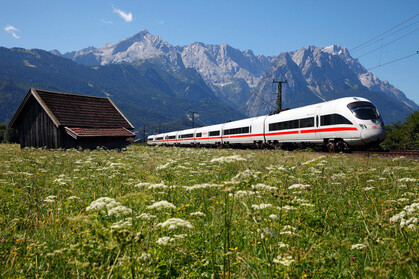
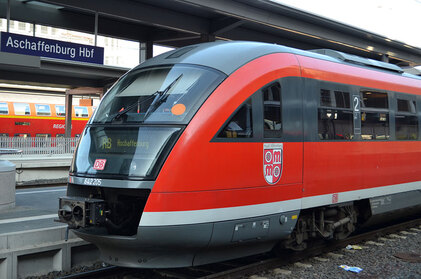
WikipediaImages of the trains for your trip




Where Can You Travel With Us?
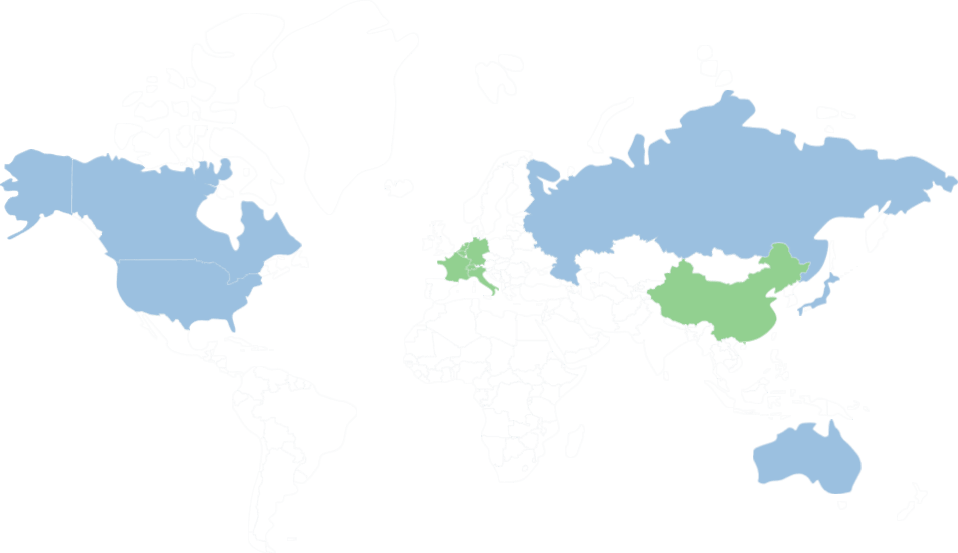
TAKE A LOOK AT OUR MAP
France
Italy
Netherlands
Luxembourg
Austria
Germany
Belgium
Switzerland
Denmark
Sweden
Norway
Hungary
Czech
Ukraine
China
Active
France, Italy, Netherlands, Luxembourg, Austria, Germany, Belgium, Switzerland, Denmark, Sweden, Norway, Hungary, Czech, Ukraine, China
Upcoming
USA, Canada, Spain, Poland, Japan
Other Train Trips From Dusseldorf
Dusseldorf to Meckesheim

Dusseldorf to Michendorf

Dusseldorf to Oberau
Dusseldorf to Schneverdingen
Dusseldorf to Wurzburg

Dusseldorf to Aachen
Dusseldorf to Ottbergen

Dusseldorf to Rheydt Odenkirchen

Dusseldorf to Schonmunzach

Dusseldorf to Auringen Medenbach

Dusseldorf to Krefeld Linn

Dusseldorf to Neustadt Dosse
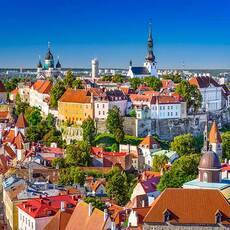
Dusseldorf to Grafenaschau

Dusseldorf to Hann Munden
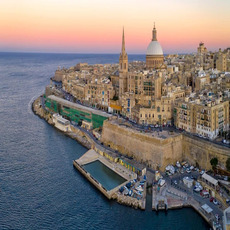
Dusseldorf to Potsdam Park Sans
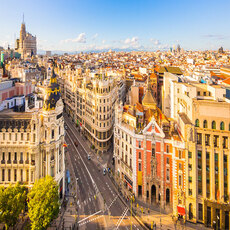
Dusseldorf to Wilhelmshaven

Dusseldorf to Senden
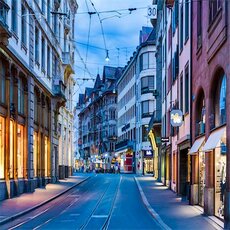
Dusseldorf to Zeitz
Dusseldorf to Duckterath

Dusseldorf to Freiburg Zahringen
Dusseldorf to Neustadt Waldnaab

Dusseldorf to Moenchengladbach

Dusseldorf to Zwickau Polbitz
Dusseldorf to Fuessen

Dusseldorf to Dingolfing

Dusseldorf to Haslach

Dusseldorf to Stuttgart Vaihingen

Dusseldorf to Frottstadt

Dusseldorf to Bad Honnef Rhein
Dusseldorf to Wolfach
WHY YOU SHOULD TRAVEL BY TRAIN?
To travel from Dusseldorf To Karlsruhe, trains would be the best travel choice, for several reasons:
1
Eco-Friendly
Trains are the most environmentally-friendly way of transport to the EU Environment Agency. They are powered by electricity, which is renewable and has a low environmental impact.
2
Speed
Travelling by train is in most cases the fastest way to go from Rome to Milan. Trains usually travel at high speeds, making them the fastest way to get from one place to another.
3
Safety
Travelling by train is one of the safest forms of transport. Trains are heavily regulated and monitored, making them safer than other forms of transport.
4
Price
Travelling by train is often cheaper than other forms of transport, such as flying or taking a bus. Trains are often subsidized by the government, making them cheaper than other forms of transport.
5
Luggage
Travelling by train is a great way to transport luggage. Trains usually have plenty of space for luggage and they are usually safe and secure.
6
Luggage
Travelling by train is often faster than other forms of transport, such as driving or taking a bus. Trains usually travel at high speeds, making them the fastest way to get from one place to another.
7
Comfortability
Travelling by train is usually very comfortable. Trains usually have comfortable seating and plenty of legroom, making them a great way to travel.
8
Comfortability
Travelling by train is a great way to get some sleep. Trains usually have comfortable seats and plenty of legroom, making them a great way to get some rest while travelling.
9
WIFI
This is not necessarily the most important when you travel since we prefer to tell you to enjoy your travel without your phones, but on trains, you can find WIFI onboard, so you remain connected to the internet if you choose to.
THESE ARE THE TRAIN OPERATORS WE WORK WITH