GET THE BEST TRAIN
TRAVEL OFFERS

ORDER A TRAIN TICKET
FAST AND EASY

CHOOSE HOW YOU
WANT TO PAY

Distance from Erlangen To Mannheim is 219 Kilometer

You will save the environment by 73% in terms of Carbon footprint if you travel between Erlangen to Mannheim by Trains and not by Airplane

You will save the environment by 62% in terms of Carbon footprint if you travel between Erlangen to Mannheim by Trains vs Cars

You can order Train Ticket ticket from Erlangen To Mannheim 3 Months ahead of your departure date

Save A Train is the first cheapest for all Train travel needs for leisure travelers and business travelers

You can pay for your train trip to Mannheim by these Payment terms Mastecard, Visa, American Express. Maestro creadits cards but aslo with the following alternative payment methodes: Paypal, Alipay, WeChat, Trustly, ideal, sofort and more.

Remember traveling by train is very scenic experience especially if you train travel between Erlangen and Mannheim, enjoy!
Wednesday,
Dec 31
Mannheim
-6°

Thursday,
Jan 1
Mannheim
-0°

Friday,
Jan 2
Mannheim
2°
Saturday,
Jan 3
Mannheim
-0°

Sunday,
Jan 4
Mannheim
-1°
Monday,
Jan 5
Mannheim
-1°
SEE HOW YOUR TRAIN TRIP FROM Erlangen to Mannheim WILL LOOK LIKE

MORE IMPORTANT INFORMATION ABOUT YOUR TRAVEL TO Mannheim
The Train station is located at the center of Mannheim
Mannheim (German pronunciation: [ˈmanhaɪm]; Palatine German: Monnem or Mannem) is a city in the southwestern part of Germany, the third-largest in the German state of Baden-Württemberg after Stuttgart and Karlsruhe with a 2015 population of approximately 310,000 inhabitants. The city is at the centre of the larger densely populated Rhine-Neckar Metropolitan Region which has a population of 2,400,000 and is Germany's eighth-largest metropolitan region. Mannheim is located at the confluence of the Rhine and the Neckar in the northwestern corner of Baden-Württemberg. The Rhine separates Mannheim from the city of Ludwigshafen, just to the west of it in Rhineland-Palatinate, and the border of Baden-Württemberg with Hesse is just to the north. Mannheim is downstream along the Neckar from the city of Heidelberg. Mannheim is unusual among German cities in that its streets and avenues are laid out in a grid pattern, leading to its nickname "die Quadratestadt" ("The City of Squares"). The eighteenth century Mannheim Palace, former home of the Prince-elector of the Palatinate, now houses the University of Mannheim. The city is home to major corporations including Daimler, John Deere, Caterpillar, ABB, Fuchs Petrolub, IBM, Roche, Reckitt Benckiser, Unilever, Phoenix Group, Siemens, and several other well-known companies.
Source:
WikipediaADDITIONAL INFORMATION ABOUT Erlangen
The Train station is located at the center of Erlangen
Erlangen is a Middle Franconian city in Bavaria, Germany. It is the seat of the administrative district Erlangen-Höchstadt (former administrative district Erlangen) and with 113,758 inhabitants (as of 30 June 2019) it is the smallest of the eight major cities in Bavaria. The number of inhabitants exceeded the threshold of 100,000 in 1974, making Erlangen a major city. Together with Nuremberg, Fürth and Schwabach, Erlangen forms one of the three metropolises in Bavaria. With the surrounding area, these cities form the European Metropolitan Region of Nuremberg, one of 11 metropolitan areas in Germany. The cities of Nuremberg, Fürth and Erlangen also form a triangle on a map, which represents the heartland of the Nuremberg conurbation. An element of the city that goes back a long way in history, but is still noticeable, is the settlement of Huguenots after the withdrawal of the Edict of Nantes in 1685.
Source:
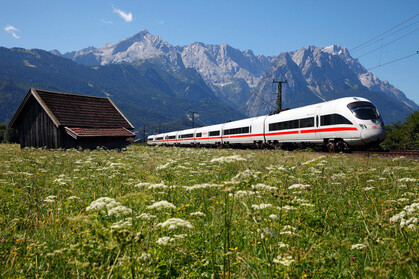
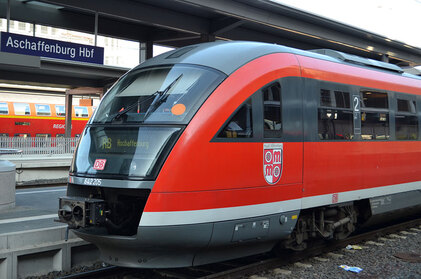
WikipediaImages of the trains for your trip




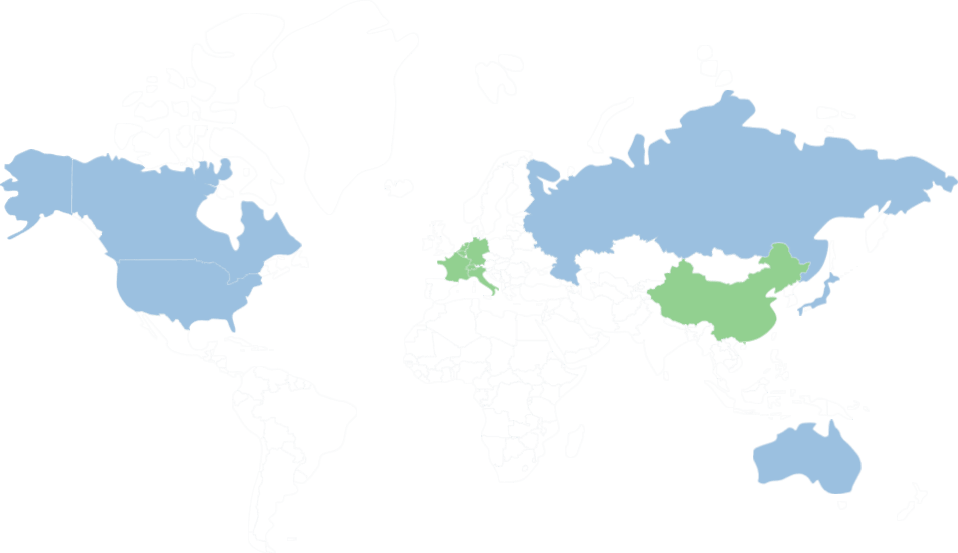
Where Can You Travel With Us?
TAKE A LOOK AT OUR MAP
France
Italy
Netherlands
Luxembourg
Austria
Germany
Belgium
Switzerland
Denmark
Sweden
Norway
Hungary
Czech
Ukraine
China
Active
France, Italy, Netherlands, Luxembourg, Austria, Germany, Belgium, Switzerland, Denmark, Sweden, Norway, Hungary, Czech, Ukraine, China
Upcoming
USA, Canada, Spain, Poland, Japan
Other Train Trips From Erlangen

Erlangen to Bad Bodenteich

Erlangen to Ebersbach Sachs
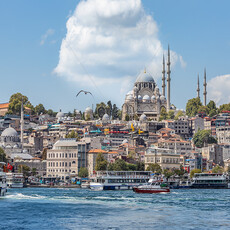
Erlangen to Riegel Malterdingen

Erlangen to Markt Schwaben

Erlangen to Munster

Erlangen to Bayerisch Gmain

Erlangen to Calw

Erlangen to Ludwigshafen Rheingonheim
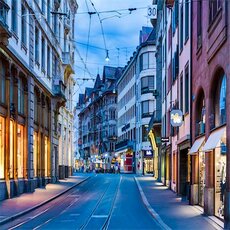
Erlangen to Magdeburg
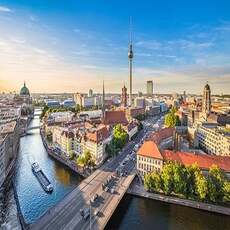
Erlangen to Krefeld Linn

Erlangen to Salzbergen

Erlangen to Hanover Kleefeld

Erlangen to Biberach Riss
Erlangen to Buttgen

Erlangen to Bad Mergentheim
Erlangen to Gronau Westfalen
Erlangen to Cologne

Erlangen to Emden Aussenhafen

Erlangen to Aschaffenburg

Erlangen to Schwerin
Erlangen to Kiel

Erlangen to Bad Griesbachschw

Erlangen to Vilsbiburg

Erlangen to Scheidt Saar
Erlangen to Frankfurt Main South
Erlangen to Cuxhaven
Erlangen to Kamp Bornhofen

Erlangen to Kaiserslautern W

Erlangen to Schluchtern

Erlangen to Wiesbaden Erbenheim
WHY YOU SHOULD TRAVEL BY TRAIN?
To travel from Erlangen To Mannheim, trains would be the best travel choice, for several reasons:
1
Eco-Friendly
Trains are the most environmentally-friendly way of transport to the EU Environment Agency. They are powered by electricity, which is renewable and has a low environmental impact.
2
Speed
Travelling by train is in most cases the fastest way to go from Rome to Milan. Trains usually travel at high speeds, making them the fastest way to get from one place to another.
3
Safety
Travelling by train is one of the safest forms of transport. Trains are heavily regulated and monitored, making them safer than other forms of transport.
4
Price
Travelling by train is often cheaper than other forms of transport, such as flying or taking a bus. Trains are often subsidized by the government, making them cheaper than other forms of transport.
5
Luggage
Travelling by train is a great way to transport luggage. Trains usually have plenty of space for luggage and they are usually safe and secure.
6
Luggage
Travelling by train is often faster than other forms of transport, such as driving or taking a bus. Trains usually travel at high speeds, making them the fastest way to get from one place to another.
7
Comfortability
Travelling by train is usually very comfortable. Trains usually have comfortable seating and plenty of legroom, making them a great way to travel.
8
Comfortability
Travelling by train is a great way to get some sleep. Trains usually have comfortable seats and plenty of legroom, making them a great way to get some rest while travelling.
9
WIFI
This is not necessarily the most important when you travel since we prefer to tell you to enjoy your travel without your phones, but on trains, you can find WIFI onboard, so you remain connected to the internet if you choose to.
THESE ARE THE TRAIN OPERATORS WE WORK WITH