GET THE BEST TRAIN
TRAVEL OFFERS

ORDER A TRAIN TICKET
FAST AND EASY

CHOOSE HOW YOU
WANT TO PAY

Distance from Hamburg To Bremen is 134 Kilometer

You will save the environment by 69% in terms of Carbon footprint if you travel between Hamburg to Bremen by Trains and not by Airplane

You will save the environment by 58% in terms of Carbon footprint if you travel between Hamburg to Bremen by Trains vs Cars

You can order Train Ticket ticket from Hamburg To Bremen 3 Months ahead of your departure date

Save A Train is the first cheapest for all Train travel needs for leisure travelers and business travelers

You can pay for your train trip to Bremen by these Payment terms Mastecard, Visa, American Express. Maestro creadits cards but aslo with the following alternative payment methodes: Paypal, Alipay, WeChat, Trustly, ideal, sofort and more.

Remember traveling by train is very scenic experience especially if you train travel between Hamburg and Bremen, enjoy!
Saturday,
Jan 10
Bremen
-3°

Sunday,
Jan 11
Bremen
-15°
Monday,
Jan 12
Bremen
-3°
Tuesday,
Jan 13
Bremen
2°
Wednesday,
Jan 14
Bremen
5°

Thursday,
Jan 15
Bremen
2°
SEE HOW YOUR TRAIN TRIP FROM Hamburg to Bremen WILL LOOK LIKE

MORE IMPORTANT INFORMATION ABOUT YOUR TRAVEL TO Bremen
The Train station is located at the center of Bremen
The City Municipality of Bremen (, also US: ; German: Stadtgemeinde Bremen, IPA: [ˈʃtatɡəˌmaɪndə ˈbʁeːmən]; Low German also: Breem or Bräm) is the capital of the German federal state Free Hanseatic City of Bremen (also called just "Bremen" for short), a two-city-state consisting of the cities of Bremen and Bremerhaven. With around 570,000 inhabitants, the Hanseatic city is the 11th largest city of Germany as well as the second largest city in Northern Germany after Hamburg. Bremen is the largest city on the River Weser, the longest river flowing entirely in Germany, lying some 60 km (37 mi) upstream from its mouth into the North Sea, and is surrounded by the state of Lower Saxony. A commercial and industrial city, Bremen is, together with Oldenburg and Bremerhaven, part of the Bremen/Oldenburg Metropolitan Region, with 2.5 million people. Bremen is contiguous with the Lower Saxon towns of Delmenhorst, Stuhr, Achim, Weyhe, Schwanewede and Lilienthal. There is an exclave of Bremen in Bremerhaven, the "Citybremian Overseas Port Area Bremerhaven" (Stadtbremisches Überseehafengebiet Bremerhaven).
Source:
WikipediaADDITIONAL INFORMATION ABOUT Hamburg
The Train station is located at the center of Hamburg
Hamburg (English: German: [ˈhambʊʁk], locally also [ˈhambʊɪ̯ç] [ˈhambɔːχ]; Low Saxon: Hamborg), officially the Free and Hanseatic City of Hamburg (German: Freie und Hansestadt Hamburg; Low Saxon: Friee un Hansestadt Hamborg), is the second-largest city in Germany after Berlin and 7th largest city in the European Union with a population of over 1.84 million. One of Germany's 16 federal states, it is surrounded by Schleswig-Holstein to the north and Lower Saxony to the south. The city's metropolitan region is home to more than five million people. Hamburg lies on the River Elbe and two of its tributaries, the River Alster and the River Bille. The official name reflects Hamburg's history as a member of the medieval Hanseatic League and a free imperial city of the Holy Roman Empire. Before the 1871 Unification of Germany, it was a fully sovereign city state, and before 1919 formed a civic republic headed constitutionally by a class of hereditary grand burghers or Hanseaten. Beset by disasters such as the Great Fire of Hamburg, North Sea flood of 1962 and military conflicts including World War II bombing raids, the city has managed to recover and emerge wealthier after each catastrophe. Hamburg is Europe's third-largest port.
Source:
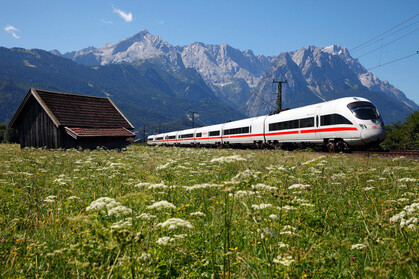
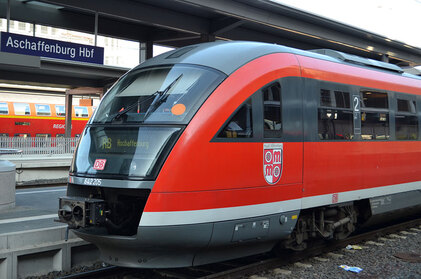
WikipediaImages of the trains for your trip




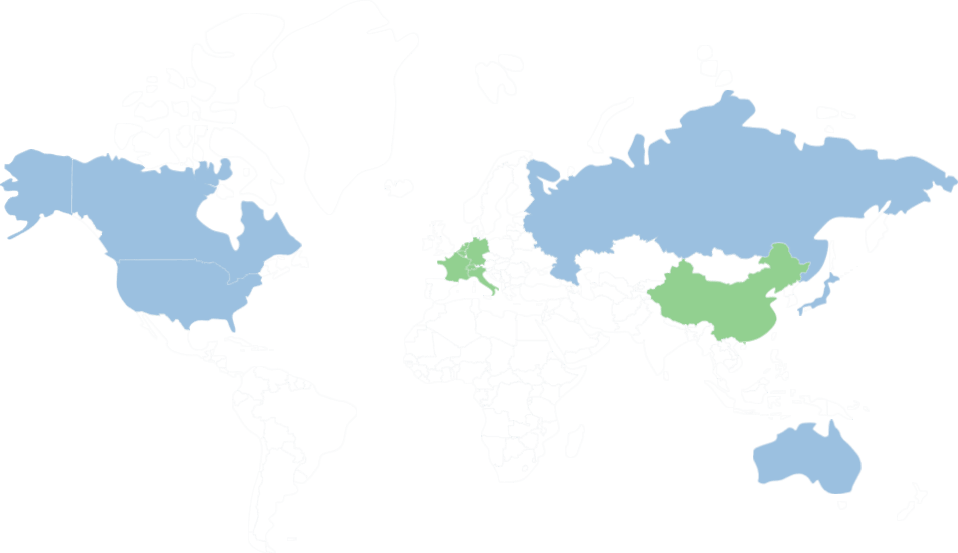
Where Can You Travel With Us?
TAKE A LOOK AT OUR MAP
France
Italy
Netherlands
Luxembourg
Austria
Germany
Belgium
Switzerland
Denmark
Sweden
Norway
Hungary
Czech
Ukraine
China
Active
France, Italy, Netherlands, Luxembourg, Austria, Germany, Belgium, Switzerland, Denmark, Sweden, Norway, Hungary, Czech, Ukraine, China
Upcoming
USA, Canada, Spain, Poland, Japan
Other Train Trips From Hamburg
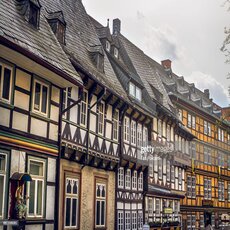
Hamburg to Oerlinghausen

Hamburg to Ungedanken
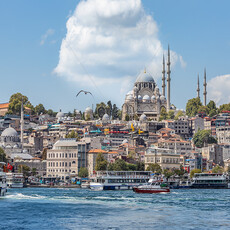
Hamburg to Haslach

Hamburg to Sedlitz East

Hamburg to Sunching
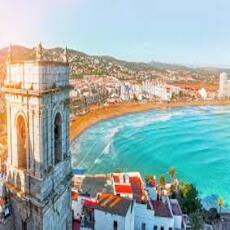
Hamburg to Burghausen Oberbay

Hamburg to Vechelde
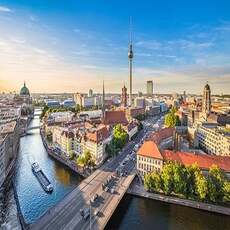
Hamburg to Stadtoldendorf

Hamburg to Memmingen

Hamburg to Dornstetten

Hamburg to Schwandorf

Hamburg to Brackwede

Hamburg to Bremerhaven Lehe

Hamburg to Schonebeck Elbe
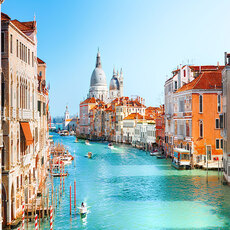
Hamburg to Neukirchen Bei Sulzbach Rosenberg

Hamburg to Singen Hohentwiel
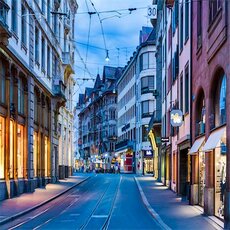
Hamburg to Konstanz

Hamburg to Hodenhagen

Hamburg to Forst Lausitz

Hamburg to Enzisweiler

Hamburg to Heilbronn Bockingen Berufsschulzentrum

Hamburg to Haltingen

Hamburg to Dortmund
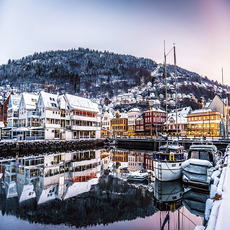
Hamburg to Butzbach

Hamburg to Lowenberg Mark
Hamburg to Bad Berleburg

Hamburg to Idar Oberstein
Hamburg to Offenbach Main

Hamburg to Furth Odenwald

Hamburg to Goslar
WHY YOU SHOULD TRAVEL BY TRAIN?
To travel from Hamburg To Bremen, trains would be the best travel choice, for several reasons:
1
Eco-Friendly
Trains are the most environmentally-friendly way of transport to the EU Environment Agency. They are powered by electricity, which is renewable and has a low environmental impact.
2
Speed
Travelling by train is in most cases the fastest way to go from Rome to Milan. Trains usually travel at high speeds, making them the fastest way to get from one place to another.
3
Safety
Travelling by train is one of the safest forms of transport. Trains are heavily regulated and monitored, making them safer than other forms of transport.
4
Price
Travelling by train is often cheaper than other forms of transport, such as flying or taking a bus. Trains are often subsidized by the government, making them cheaper than other forms of transport.
5
Luggage
Travelling by train is a great way to transport luggage. Trains usually have plenty of space for luggage and they are usually safe and secure.
6
Luggage
Travelling by train is often faster than other forms of transport, such as driving or taking a bus. Trains usually travel at high speeds, making them the fastest way to get from one place to another.
7
Comfortability
Travelling by train is usually very comfortable. Trains usually have comfortable seating and plenty of legroom, making them a great way to travel.
8
Comfortability
Travelling by train is a great way to get some sleep. Trains usually have comfortable seats and plenty of legroom, making them a great way to get some rest while travelling.
9
WIFI
This is not necessarily the most important when you travel since we prefer to tell you to enjoy your travel without your phones, but on trains, you can find WIFI onboard, so you remain connected to the internet if you choose to.
THESE ARE THE TRAIN OPERATORS WE WORK WITH