GET THE BEST TRAIN
TRAVEL OFFERS

ORDER A TRAIN TICKET
FAST AND EASY

CHOOSE HOW YOU
WANT TO PAY

Distance from Hanover To Kaiserslautern is 362 Kilometer

You will save the environment by 73% in terms of Carbon footprint if you travel between Hanover to Kaiserslautern by Trains and not by Airplane

You will save the environment by 62% in terms of Carbon footprint if you travel between Hanover to Kaiserslautern by Trains vs Cars

You can order Train Ticket ticket from Hanover To Kaiserslautern 3 Months ahead of your departure date

Save A Train is the first cheapest for all Train travel needs for leisure travelers and business travelers

You can pay for your train trip to Kaiserslautern by these Payment terms Mastecard, Visa, American Express. Maestro creadits cards but aslo with the following alternative payment methodes: Paypal, Alipay, WeChat, Trustly, ideal, sofort and more.

Remember traveling by train is very scenic experience especially if you train travel between Hanover and Kaiserslautern, enjoy!
Monday,
Jan 12
Kaiserslautern
1°

Tuesday,
Jan 13
Kaiserslautern
3°
Wednesday,
Jan 14
Kaiserslautern
6°

Thursday,
Jan 15
Kaiserslautern
6°
Friday,
Jan 16
Kaiserslautern
7°
Saturday,
Jan 17
Kaiserslautern
3°
SEE HOW YOUR TRAIN TRIP FROM Hanover to Kaiserslautern WILL LOOK LIKE

MORE IMPORTANT INFORMATION ABOUT YOUR TRAVEL TO Kaiserslautern
The Train station is located at the center of Kaiserslautern
Kaiserslautern is a city in southwest Germany, located in the Bundesland (State) of Rhineland-Palatinate (Rheinland-Pfalz) at the edge of the Palatinate Forest (Pfälzerwald). The historic centre dates to the 9th century. It is 459 kilometres (285 miles) from Paris, 117 km (73 miles) from Frankfurt am Main, and 159 km (99 miles) from Luxembourg. Kaiserslautern is home to about 100,000 people. Additionally, approximately 45,000 NATO military personnel inhabit the city and its surrounding district (Landkreis Kaiserslautern), and contribute approximately US$1 billion annually to the local economy. The city is also home to football club 1.
Source:
WikipediaADDITIONAL INFORMATION ABOUT Hanover
The Train station is located at the center of Hanover
Hanover or Hannover (; German: Hannover [haˈnoːfɐ]; Low German: Hannober) is the capital and largest city of the German state of Lower Saxony. Its 535,061 (2017) inhabitants make it the thirteenth-largest city in Germany as well as the third-largest city in Northern Germany after Hamburg and Bremen. The city lies at the confluence of the River Leine (progression: Aller→ Weser→ North Sea) and its tributary Ihme, in the south of the North German Plain, and is the largest city in the Hannover–Braunschweig–Göttingen–Wolfsburg Metropolitan Region. It is the fifth-largest city in the Low German dialect area after Hamburg, Dortmund, Essen and Bremen. Before it became the capital of Lower Saxony in 1946 Hanover was the capital of the Principality of Calenberg (1636–1692), the Electorate of Hanover (1692–1814), the Kingdom of Hanover (1814–1866), the Province of Hanover of the Kingdom of Prussia (1868–1918), the Province of Hanover of the Free State of Prussia (1918–1946) and of the State of Hanover (1946). From 1714 to 1837 Hanover was by personal union the family seat of the Hanoverian Kings of the United Kingdom of Great Britain and Ireland, under their title of the dukes of Brunswick-Lüneburg (later described as the Elector of Hanover). The city is a major crossing point of railway lines and motorways (Autobahnen), connecting European main lines in both the east-west (Berlin–Ruhr area/Düsseldorf/Cologne) and north-south (Hamburg–Frankfurt/Stuttgart/Munich) directions.
Source:
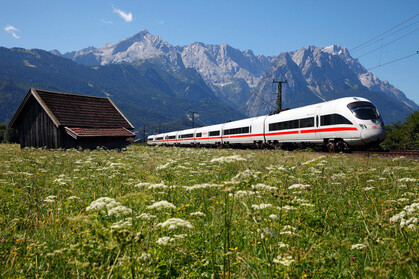
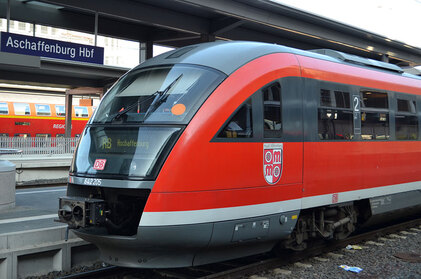
WikipediaImages of the trains for your trip




Where Can You Travel With Us?
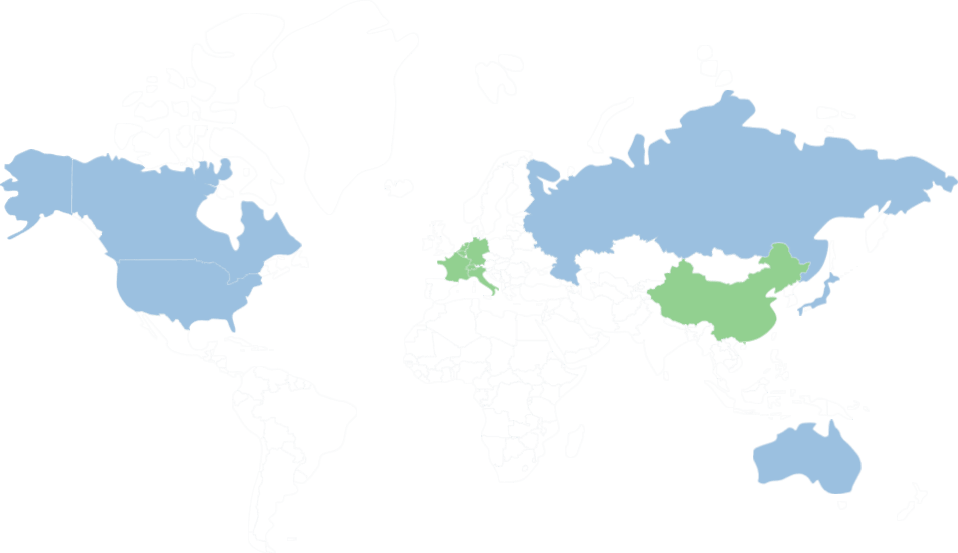
TAKE A LOOK AT OUR MAP
France
Italy
Netherlands
Luxembourg
Austria
Germany
Belgium
Switzerland
Denmark
Sweden
Norway
Hungary
Czech
Ukraine
China
Active
France, Italy, Netherlands, Luxembourg, Austria, Germany, Belgium, Switzerland, Denmark, Sweden, Norway, Hungary, Czech, Ukraine, China
Upcoming
USA, Canada, Spain, Poland, Japan
Other Train Trips From Hanover

Hanover to Eimeldingen

Hanover to Schneverdingen
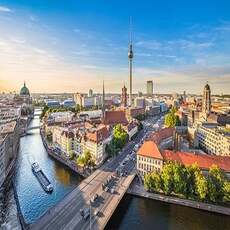
Hanover to Overath

Hanover to Frottstadt

Hanover to Sinzing

Hanover to Hagen

Hanover to Hamburg Ohlsdorf

Hanover to Nordstemmen
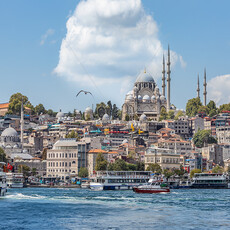
Hanover to Muhlhausen Thur

Hanover to Magdeburg Buckau

Hanover to Wustermark
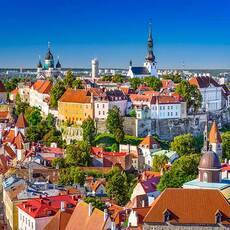
Hanover to Trier South
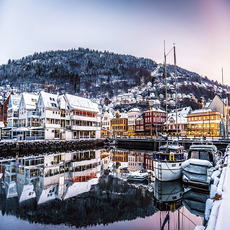
Hanover to Stuttgart Airport

Hanover to Ubbedissen

Hanover to Rottenburg Neckar

Hanover to Erfurt Bischleben
Hanover to Stade

Hanover to Roth

Hanover to Kyllburg
Hanover to Herne Bornig

Hanover to Frankfurt Main Stadium

Hanover to Haren Ems DE

Hanover to Schwanheide

Hanover to Sunching

Hanover to Hockeroda

Hanover to Gardelegen

Hanover to Bullay

Hanover to Angermund
Hanover to Giengen Brenz

Hanover to Bad Elster
WHY YOU SHOULD TRAVEL BY TRAIN?
To travel from Hanover To Kaiserslautern, trains would be the best travel choice, for several reasons:
1
Eco-Friendly
Trains are the most environmentally-friendly way of transport to the EU Environment Agency. They are powered by electricity, which is renewable and has a low environmental impact.
2
Speed
Travelling by train is in most cases the fastest way to go from Rome to Milan. Trains usually travel at high speeds, making them the fastest way to get from one place to another.
3
Safety
Travelling by train is one of the safest forms of transport. Trains are heavily regulated and monitored, making them safer than other forms of transport.
4
Price
Travelling by train is often cheaper than other forms of transport, such as flying or taking a bus. Trains are often subsidized by the government, making them cheaper than other forms of transport.
5
Luggage
Travelling by train is a great way to transport luggage. Trains usually have plenty of space for luggage and they are usually safe and secure.
6
Luggage
Travelling by train is often faster than other forms of transport, such as driving or taking a bus. Trains usually travel at high speeds, making them the fastest way to get from one place to another.
7
Comfortability
Travelling by train is usually very comfortable. Trains usually have comfortable seating and plenty of legroom, making them a great way to travel.
8
Comfortability
Travelling by train is a great way to get some sleep. Trains usually have comfortable seats and plenty of legroom, making them a great way to get some rest while travelling.
9
WIFI
This is not necessarily the most important when you travel since we prefer to tell you to enjoy your travel without your phones, but on trains, you can find WIFI onboard, so you remain connected to the internet if you choose to.
THESE ARE THE TRAIN OPERATORS WE WORK WITH