GET THE BEST TRAIN
TRAVEL OFFERS
ORDER A TRAIN TICKET
FAST AND EASY

CHOOSE HOW YOU
WANT TO PAY

You will save the environment by 69% in terms of Carbon footprint if you travel between Interlaken to Bern by Trains and not by Airplane

You will save the environment by 58% in terms of Carbon footprint if you travel between Interlaken to Bern by Trains vs Cars

You can order Train Ticket ticket from Interlaken To Bern 3 Months ahead of your departure date

Save A Train is the first cheapest for all Train travel needs for leisure travelers and business travelers

You can pay for your train trip to Bern by these Payment terms Mastecard, Visa, American Express. Maestro creadits cards but aslo with the following alternative payment methodes: Paypal, Alipay, WeChat, Trustly, ideal, sofort and more.

Remember traveling by train is very scenic experience especially if you train travel between Interlaken and Bern, enjoy!
Monday,
Dec 29
Bern
-2°

Tuesday,
Dec 30
Bern
-3°

Wednesday,
Dec 31
Bern
-4°
Thursday,
Jan 1
Bern
-5°
Friday,
Jan 2
Bern
-2°
Saturday,
Jan 3
Bern
2°

MORE IMPORTANT INFORMATION ABOUT YOUR TRAVEL TO Bern
The Train station is located at the center of Bern
Bern or Berne (German: Bern [bɛrn]; Alemannic German: Bärn [b̥æːrn]; French: Berne [bɛʁn]; Italian: Berna [ˈbɛrna]; Romansh: Berna [ˈbɛrnɐ]) is the de facto capital of Switzerland, referred to by the Swiss as their "federal city", in German Bundesstadt, French ville fédérale, and Italian città federale. With a population of about 140,000 (as of 2019), Bern is the fifth-most populous city in Switzerland. The Bern agglomeration, which includes 36 municipalities, had a population of 406,900 in 2014. The metropolitan area had a population of 660,000 in 2000. Bern is also the capital of the canton of Bern, the second-most populous of Switzerland's cantons. The official language in Bern is (the Swiss variety of Standard) German, but the most-spoken language is an Alemannic Swiss German dialect, Bernese German. In 1983, the historic old town (in German: Altstadt) in the centre of Bern became a UNESCO World Heritage Site.
Source:
WikipediaADDITIONAL INFORMATION ABOUT Interlaken
The Train station is located at the center of Interlaken
Interlaken is a Swiss town and municipality in the Interlaken-Oberhasli administrative district in the canton of Bern. It is an important and well-known tourist destination in the Bernese Highlands region of the Swiss Alps, and the main transport gateway to the mountains and lakes of that region. The town is located on the flat alluvial land called Bödeli between two lakes, Brienz to the east and Thun to the west, and alongside the river Aare, which flows between them. Transport routes to the east and west alongside the lakes are complemented by a route southwards into the near mountain resorts and high mountains, e.g. the famous high Alpine peaks of Eiger, Mönch, and Jungfrau, following upwards the Lütschine. Interlaken is the central town of a Small Agglomeration with the same name of 23,300 inhabitants.The official language of Interlaken is (the Swiss variety of Standard) German, but the main spoken language is the local variant of the Alemannic Swiss German dialect.
Source:
WikipediaImages of the trains for your trip
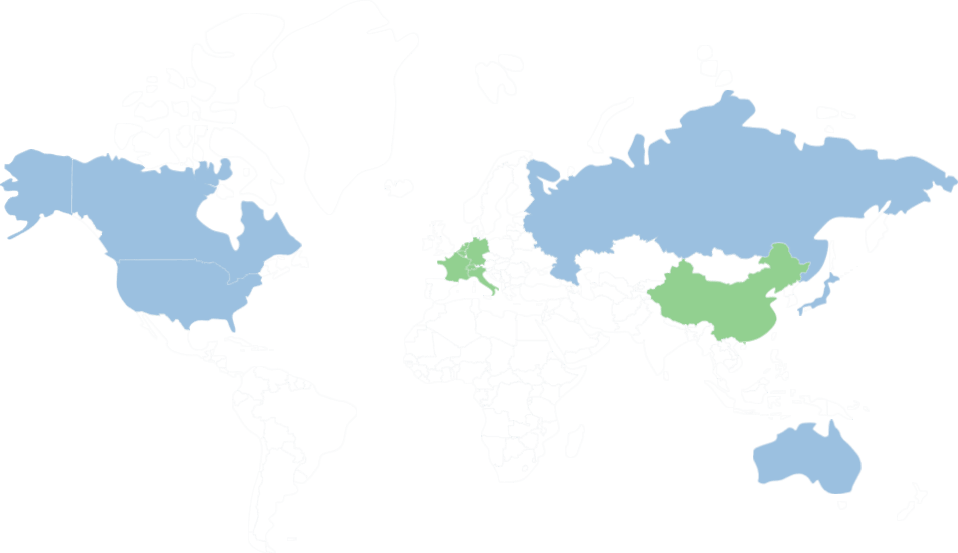
Where Can You Travel With Us?
TAKE A LOOK AT OUR MAP
France
Italy
Netherlands
Luxembourg
Austria
Germany
Belgium
Switzerland
Denmark
Sweden
Norway
Hungary
Czech
Ukraine
China
Active
France, Italy, Netherlands, Luxembourg, Austria, Germany, Belgium, Switzerland, Denmark, Sweden, Norway, Hungary, Czech, Ukraine, China
Upcoming
USA, Canada, Spain, Poland, Japan
Other Train Trips From Interlaken
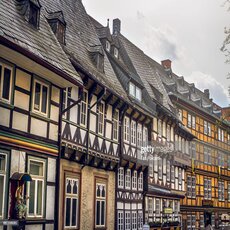
Interlaken East to Amriswil

Interlaken East to Leysin Feydey
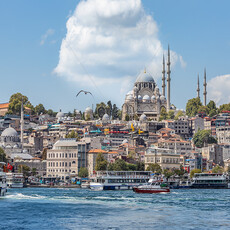
Interlaken East to Pfaeffikon SZ

Interlaken East to Glarus

Interlaken East to Davos Monstein

Interlaken East to Thun

Interlaken East to Balsthal

Interlaken East to Riederalp

Interlaken East to Aigle

Interlaken East to Laax

Interlaken East to Thalwil

Interlaken East to Affoltern Am Albis

Interlaken East to Geneva

Interlaken East to Vevey

Interlaken East to Huttwil
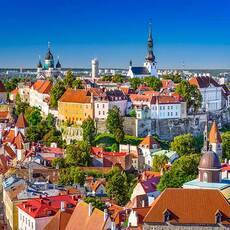
Interlaken East to Schuepfheim
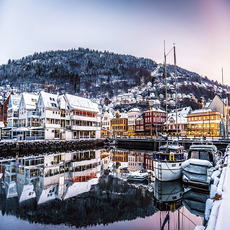
Interlaken East to Gerlafingen

Interlaken East to Munsingen
Interlaken East to Belp

Interlaken East to Andermatt

Interlaken East to Airolo

Interlaken East to Ins

Interlaken East to Davos Frauenkirch

Interlaken East to Flims Waldhaus Caumasee

Interlaken East to Hendschiken
Interlaken East to Burgdorf CH
Interlaken East to Taesch

Interlaken East to Giswil

Interlaken East to Rueti Zh
Interlaken East to Celerina
WHY YOU SHOULD TRAVEL BY TRAIN?
To travel from Interlaken To Bern, trains would be the best travel choice, for several reasons:
1
Eco-Friendly
Trains are the most environmentally-friendly way of transport to the EU Environment Agency. They are powered by electricity, which is renewable and has a low environmental impact.
2
Speed
Travelling by train is in most cases the fastest way to go from Rome to Milan. Trains usually travel at high speeds, making them the fastest way to get from one place to another.
3
Safety
Travelling by train is one of the safest forms of transport. Trains are heavily regulated and monitored, making them safer than other forms of transport.
4
Price
Travelling by train is often cheaper than other forms of transport, such as flying or taking a bus. Trains are often subsidized by the government, making them cheaper than other forms of transport.
5
Luggage
Travelling by train is a great way to transport luggage. Trains usually have plenty of space for luggage and they are usually safe and secure.
6
Luggage
Travelling by train is often faster than other forms of transport, such as driving or taking a bus. Trains usually travel at high speeds, making them the fastest way to get from one place to another.
7
Comfortability
Travelling by train is usually very comfortable. Trains usually have comfortable seating and plenty of legroom, making them a great way to travel.
8
Comfortability
Travelling by train is a great way to get some sleep. Trains usually have comfortable seats and plenty of legroom, making them a great way to get some rest while travelling.
9
WIFI
This is not necessarily the most important when you travel since we prefer to tell you to enjoy your travel without your phones, but on trains, you can find WIFI onboard, so you remain connected to the internet if you choose to.
THESE ARE THE TRAIN OPERATORS WE WORK WITH