GET THE BEST TRAIN
TRAVEL OFFERS

ORDER A TRAIN TICKET
FAST AND EASY

CHOOSE HOW YOU
WANT TO PAY

Distance from Lausanne To Interlaken is 77 Kilometer

You will save the environment by 74% in terms of Carbon footprint if you travel between Lausanne to Interlaken by Trains and not by Airplane

You will save the environment by 63% in terms of Carbon footprint if you travel between Lausanne to Interlaken by Trains vs Cars

You can order Train Ticket ticket from Lausanne To Interlaken 3 Months ahead of your departure date

Save A Train is the first cheapest for all Train travel needs for leisure travelers and business travelers

You can pay for your train trip to Interlaken by these Payment terms Mastecard, Visa, American Express. Maestro creadits cards but aslo with the following alternative payment methodes: Paypal, Alipay, WeChat, Trustly, ideal, sofort and more.

Remember traveling by train is very scenic experience especially if you train travel between Lausanne and Interlaken, enjoy!
MORE IMPORTANT INFORMATION ABOUT YOUR TRAVEL TO Interlaken
The Train station is located at the center of Interlaken
Interlaken is a Swiss town and municipality in the Interlaken-Oberhasli administrative district in the canton of Bern. It is an important and well-known tourist destination in the Bernese Highlands region of the Swiss Alps, and the main transport gateway to the mountains and lakes of that region. The town is located on the flat alluvial land called Bödeli between two lakes, Brienz to the east and Thun to the west, and alongside the river Aare, which flows between them. Transport routes to the east and west alongside the lakes are complemented by a route southwards into the near mountain resorts and high mountains, e.g. the famous high Alpine peaks of Eiger, Mönch, and Jungfrau, following upwards the Lütschine. Interlaken is the central town of a Small Agglomeration with the same name of 23,300 inhabitants.The official language of Interlaken is (the Swiss variety of Standard) German, but the main spoken language is the local variant of the Alemannic Swiss German dialect.
Source:
WikipediaADDITIONAL INFORMATION ABOUT Lausanne
The Train station is located at the center of Lausanne
Lausanne (, also US: French: [lozan], German: [loˈzan]; Arpitan: Losena [lɔˈzəna]; Italian: Losanna; Romansh: Losanna) is the capital city and biggest town of the canton of Vaud in Romandy, Switzerland. A municipality, it is situated on the shores of Lake Léman (French: Le/Lac Léman). It faces the French town of Évian-les-Bains, with the Jura Mountains to its north-west. Lausanne is located 62 kilometres (38.5 miles) northeast of Geneva. The municipality Lausanne has a population of about 140,000, making it the fourth largest city in Switzerland, with the entire agglomeration area having about 420,000 inhabitants (as of January 2019). The metropolitan area of Lausanne-Geneva (including Vevey-Montreux, Yverdon-les-Bains, and foreign parts) was over 1.2 million inhabitants in 2000.Lausanne is a focus of international sport, hosting the International Olympic Committee (which has recognized the city as the "Olympic Capital" since 1994), the Court of Arbitration for Sport and some 55 international sport associations.
Source:
WikipediaImages of the trains for your trip
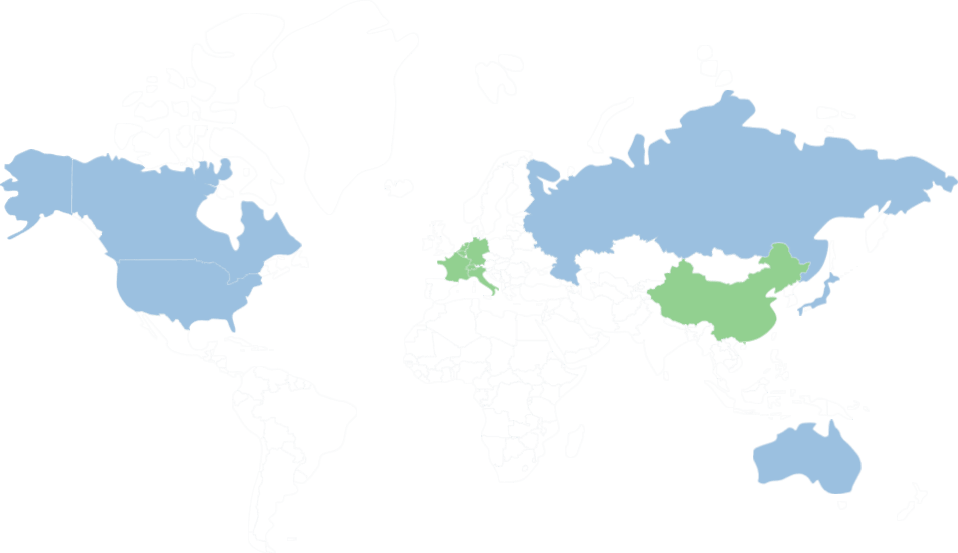
Where Can You Travel With Us?
TAKE A LOOK AT OUR MAP
France
Italy
Netherlands
Luxembourg
Austria
Germany
Belgium
Switzerland
Denmark
Sweden
Norway
Hungary
Czech
Ukraine
China
Active
France, Italy, Netherlands, Luxembourg, Austria, Germany, Belgium, Switzerland, Denmark, Sweden, Norway, Hungary, Czech, Ukraine, China
Upcoming
USA, Canada, Spain, Poland, Japan
Other Train Trips From Lausanne

Lausanne to Uzwil

Lausanne to Leukerbad

Lausanne to Stansstad

Lausanne to Burgdorf

Lausanne to Winterthur

Lausanne to Blatten Lotschen
Lausanne to Tiefencastel
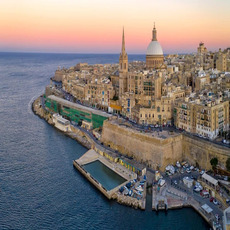
Lausanne to Dietikon
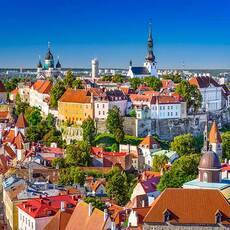
Lausanne to Basel Badischer

Lausanne to Lachen

Lausanne to Liestal

Lausanne to Kerzers

Lausanne to Pfaeffikon Zh
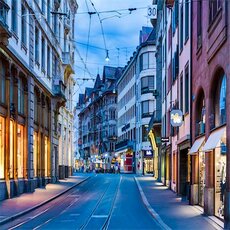
Lausanne to Reichenbach Im Kandertal CH

Lausanne to Sachseln
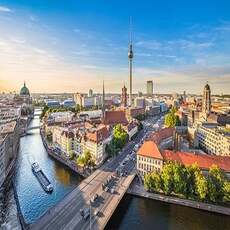
Lausanne to Schaffhausen
Lausanne to Uster

Lausanne to Rueti Zh

Lausanne to Sagliains
Lausanne to Leuk
Lausanne to Schoenenwerd
Lausanne to Mannedorf

Lausanne to Furgangen Bellwald Talstation

Lausanne to Yverdon Les Bains

Lausanne to Linthal

Lausanne to Lucerne Allmend Messe

Lausanne to Mendrisio

Lausanne to Staefa

Lausanne to Melide

Lausanne to Geneva Airport
WHY YOU SHOULD TRAVEL BY TRAIN?
To travel from Lausanne To Interlaken, trains would be the best travel choice, for several reasons:
1
Eco-Friendly
Trains are the most environmentally-friendly way of transport to the EU Environment Agency. They are powered by electricity, which is renewable and has a low environmental impact.
2
Speed
Travelling by train is in most cases the fastest way to go from Rome to Milan. Trains usually travel at high speeds, making them the fastest way to get from one place to another.
3
Safety
Travelling by train is one of the safest forms of transport. Trains are heavily regulated and monitored, making them safer than other forms of transport.
4
Price
Travelling by train is often cheaper than other forms of transport, such as flying or taking a bus. Trains are often subsidized by the government, making them cheaper than other forms of transport.
5
Luggage
Travelling by train is a great way to transport luggage. Trains usually have plenty of space for luggage and they are usually safe and secure.
6
Luggage
Travelling by train is often faster than other forms of transport, such as driving or taking a bus. Trains usually travel at high speeds, making them the fastest way to get from one place to another.
7
Comfortability
Travelling by train is usually very comfortable. Trains usually have comfortable seating and plenty of legroom, making them a great way to travel.
8
Comfortability
Travelling by train is a great way to get some sleep. Trains usually have comfortable seats and plenty of legroom, making them a great way to get some rest while travelling.
9
WIFI
This is not necessarily the most important when you travel since we prefer to tell you to enjoy your travel without your phones, but on trains, you can find WIFI onboard, so you remain connected to the internet if you choose to.
THESE ARE THE TRAIN OPERATORS WE WORK WITH