GET THE BEST TRAIN
TRAVEL OFFERS

ORDER A TRAIN TICKET
FAST AND EASY

CHOOSE HOW YOU
WANT TO PAY

Distance from Lecce To Bari is 202 Kilometer

You will save the environment by 71% in terms of Carbon footprint if you travel between Lecce to Bari by Trains and not by Airplane

You will save the environment by 60% in terms of Carbon footprint if you travel between Lecce to Bari by Trains vs Cars

You can order Train Ticket ticket from Lecce To Bari 3 Months ahead of your departure date

Save A Train is the first cheapest for all Train travel needs for leisure travelers and business travelers

You can pay for your train trip to Bari by these Payment terms Mastecard, Visa, American Express. Maestro creadits cards but aslo with the following alternative payment methodes: Paypal, Alipay, WeChat, Trustly, ideal, sofort and more.

Remember traveling by train is very scenic experience especially if you train travel between Lecce and Bari, enjoy!
Monday,
Dec 29
Bari
8°

Tuesday,
Dec 30
Bari
9°
Wednesday,
Dec 31
Bari
8°

Thursday,
Jan 1
Bari
5°
Friday,
Jan 2
Bari
9°

Saturday,
Jan 3
Bari
12°
SEE HOW YOUR TRAIN TRIP FROM Lecce to Bari WILL LOOK LIKE

MORE IMPORTANT INFORMATION ABOUT YOUR TRAVEL TO Bari
The Train station is located at the center of Bari
Bari ( BAR-ee, Italian: [ˈbaːri]; Barese: Bare [ˈbæːrə]; Latin: Barium; Ancient Greek: Βάριον, romanized: Bárion) is the capital city of the Metropolitan City of Bari and of the Apulia region, on the Adriatic Sea, in southern Italy. It is the second most important economic centre of mainland Southern Italy after Naples (and the third after Palermo, if Insular Italy is included), a port and university city, as well as the city of Saint Nicholas. The city itself has a population of 320,257 inhabitants, over 116 square kilometres (45 sq mi), while the urban area has 750,000 inhabitants. The metropolitan area has 1.3 million inhabitants. Bari is made up of four different urban sections. To the north is the closely built old town on the peninsula between two modern harbours, with the Basilica of Saint Nicholas, the Cathedral of San Sabino (1035–1171) and the Hohenstaufen Castle built for Frederick II, which is now also a major nightlife district.
Source:
WikipediaADDITIONAL INFORMATION ABOUT Lecce
The Train station is located at the center of Lecce
Lecce (US: Italian: [ˈlettʃe], locally [ˈlɛttʃe]; Salentino: Lècce; Griko: Luppìu; Latin: Lupiae; Ancient Greek: Λουπίαι, romanized: Loupíai) is a historic city of 95,766 inhabitants (2015) in southern Italy, the capital of the province of Lecce, the second province in the region by population, as well as one of the most important cities of Apulia. It is the main city of the Salentine Peninsula, a sub-peninsula at the heel of the Italian Peninsula and is over 2,000 years old. Because of the rich Baroque architectural monuments found in the city, Lecce is commonly nicknamed "The Florence of the South". The city also has a long traditional affinity with Greek culture going back to its foundation; the Messapians who founded the city are said to have been Cretans in Greek records. To this day, in the Grecìa Salentina, a group of towns not far from Lecce, the griko language is still spoken. In terms of industry, the "Lecce stone"—a particular kind of limestone—is one of the city's main exports, because it is very soft and workable, thus suitable for sculptures. Lecce is also an important agricultural centre, chiefly for its olive oil and wine production, as well as an industrial centre specializing in ceramic production.
Source:
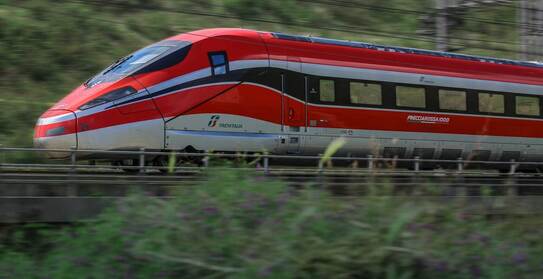
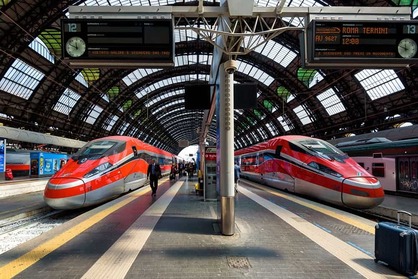
WikipediaImages of the trains for your trip




Where Can You Travel With Us?
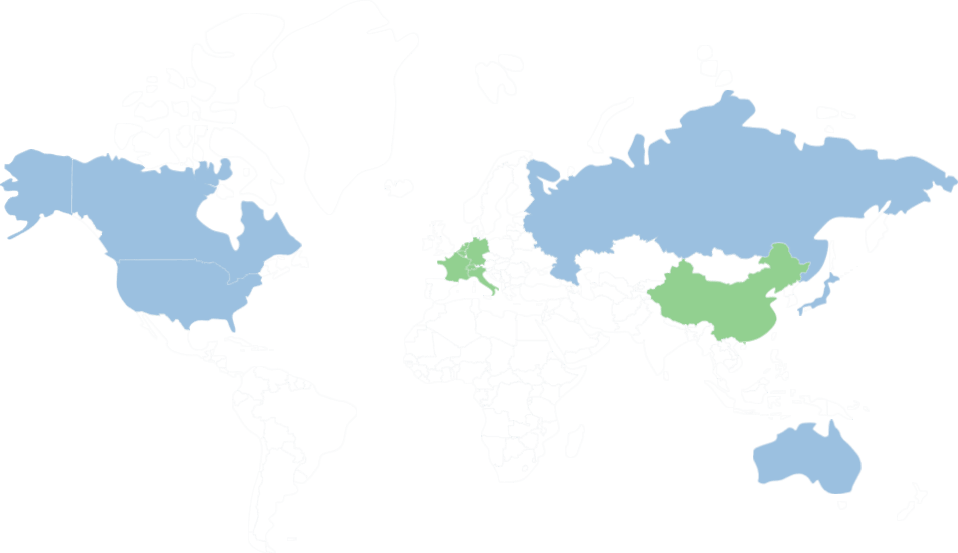
TAKE A LOOK AT OUR MAP
France
Italy
Netherlands
Luxembourg
Austria
Germany
Belgium
Switzerland
Denmark
Sweden
Norway
Hungary
Czech
Ukraine
China
Active
France, Italy, Netherlands, Luxembourg, Austria, Germany, Belgium, Switzerland, Denmark, Sweden, Norway, Hungary, Czech, Ukraine, China
Upcoming
USA, Canada, Spain, Poland, Japan
Other Train Trips From Lecce

Lecce to Signa

Lecce to San Stino Di Livenza

Lecce to Parenti
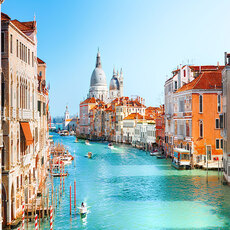
Lecce to Pratola Peligna Superiore
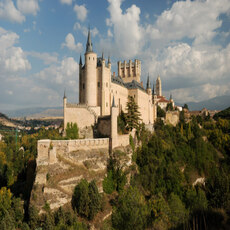
Lecce to San Martino Al Tagliamento
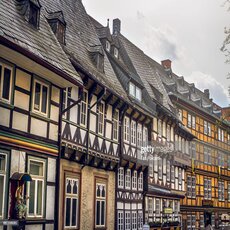
Lecce to Asciano

Lecce to Moio Alcantara Malvagna

Lecce to Capolona

Lecce to Minervino Di Lecce
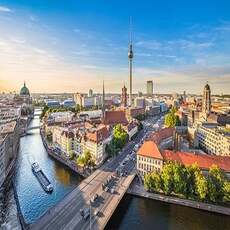
Lecce to Santa Cristina Val Gardena

Lecce to Ponte Santo Stefano

Lecce to Guidonia Montecelio Sant Angelo

Lecce to Gemonio

Lecce to Oniferi
Lecce to San Donato Di Lecce

Lecce to Fognano
Lecce to San Benedetto Sambro Castiglione Pepoli

Lecce to Rigola Stadio
Lecce to Villa Santa Maria

Lecce to Fragagnano

Lecce to Apricena

Lecce to Maschio

Lecce to Milan Bruzzano Parco

Lecce to Bari Zona Industriale Bus
Lecce to Lanusei
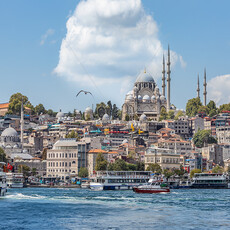
Lecce to Salerno Mercatello Mariconda
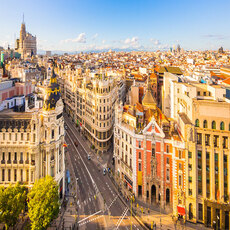
Lecce to Acquafreddag

Lecce to Bologna San Ruffillo

Lecce to Sant Anna Di Chioggia
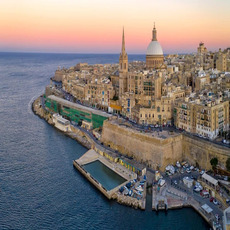
Lecce to Castelfranco Veneto
WHY YOU SHOULD TRAVEL BY TRAIN?
To travel from Lecce To Bari, trains would be the best travel choice, for several reasons:
1
Eco-Friendly
Trains are the most environmentally-friendly way of transport to the EU Environment Agency. They are powered by electricity, which is renewable and has a low environmental impact.
2
Speed
Travelling by train is in most cases the fastest way to go from Rome to Milan. Trains usually travel at high speeds, making them the fastest way to get from one place to another.
3
Safety
Travelling by train is one of the safest forms of transport. Trains are heavily regulated and monitored, making them safer than other forms of transport.
4
Price
Travelling by train is often cheaper than other forms of transport, such as flying or taking a bus. Trains are often subsidized by the government, making them cheaper than other forms of transport.
5
Luggage
Travelling by train is a great way to transport luggage. Trains usually have plenty of space for luggage and they are usually safe and secure.
6
Luggage
Travelling by train is often faster than other forms of transport, such as driving or taking a bus. Trains usually travel at high speeds, making them the fastest way to get from one place to another.
7
Comfortability
Travelling by train is usually very comfortable. Trains usually have comfortable seating and plenty of legroom, making them a great way to travel.
8
Comfortability
Travelling by train is a great way to get some sleep. Trains usually have comfortable seats and plenty of legroom, making them a great way to get some rest while travelling.
9
WIFI
This is not necessarily the most important when you travel since we prefer to tell you to enjoy your travel without your phones, but on trains, you can find WIFI onboard, so you remain connected to the internet if you choose to.
THESE ARE THE TRAIN OPERATORS WE WORK WITH