GET THE BEST TRAIN
TRAVEL OFFERS

ORDER A TRAIN TICKET
FAST AND EASY

CHOOSE HOW YOU
WANT TO PAY

Distance from Lille To Paris is 234 Kilometer

You will save the environment by 78% in terms of Carbon footprint if you travel between Lille to Paris by Trains and not by Airplane

You will save the environment by 67% in terms of Carbon footprint if you travel between Lille to Paris by Trains vs Cars

You can order Train Ticket ticket from Lille To Paris 3 Months ahead of your departure date

Save A Train is the first cheapest for all Train travel needs for leisure travelers and business travelers

You can pay for your train trip to Paris by these Payment terms Mastecard, Visa, American Express. Maestro creadits cards but aslo with the following alternative payment methodes: Paypal, Alipay, WeChat, Trustly, ideal, sofort and more.

Remember traveling by train is very scenic experience especially if you train travel between Lille and Paris, enjoy!
Sunday,
Dec 28
Paris
0°

Monday,
Dec 29
Paris
2°
Tuesday,
Dec 30
Paris
2°
Wednesday,
Dec 31
Paris
2°
Thursday,
Jan 1
Paris
3°

Friday,
Jan 2
Paris
3°
MORE IMPORTANT INFORMATION ABOUT YOUR TRAVEL TO Paris
The Train station is located at the center of Paris
Paris (English: ; French pronunciation: [paʁi] ) is the capital and most populous city of France, with an official estimated population of 2,102,650 residents as of 1 January 2023 in an area of more than 105 km2 (41 sq mi), making it the fourth-most populated city in the European Union as well as the 30th most densely populated city in the world in 2022. Since the 17th century, Paris has been one of the world's major centres of finance, diplomacy, commerce, culture, fashion, gastronomy and many areas. For its leading role in the arts and sciences, as well as its early and extensive system of street lighting, in the 19th century, it became known as "the City of Light".The City of Paris is the centre of the Île-de-France region, or Paris Region, with an official estimated population of 12,271,794 inhabitants on January 1, 2023, or about 19% of the population of France, making the region France's primate city. The Paris Region had a GDP of €765 billion in 2021, the highest in the European Union. According to the Economist Intelligence Unit Worldwide Cost of Living Survey, in 2022, Paris was the city with the ninth-highest cost of living in the world.Paris is a major railway, highway, and air-transport hub served by two international airports: Charles de Gaulle Airport (the second-busiest airport in Europe) and Orly Airport.
Source:
WikipediaADDITIONAL INFORMATION ABOUT Lille
The Train station is located at the center of Lille
Lille ( LEEL; French: [lil]; Dutch: Rijsel [ˈrɛisəl]; Picard: Lile; West Flemish: Rysel) is a city at the northern tip of France, in French Flanders. On the Deûle River, near France's border with Belgium, it is the capital of the Hauts-de-France region, the prefecture of the Nord department, and the main city of the European Metropolis of Lille. As of 2015, Lille had a population of 232,741 within its administrative limits,. Lille is the first city of the Métropole Européenne de Lille with a population of 1,182,127, making it the fourth largest urban area in France after Paris, Lyon and Marseille.
Source:
WikipediaImages of the trains for your trip
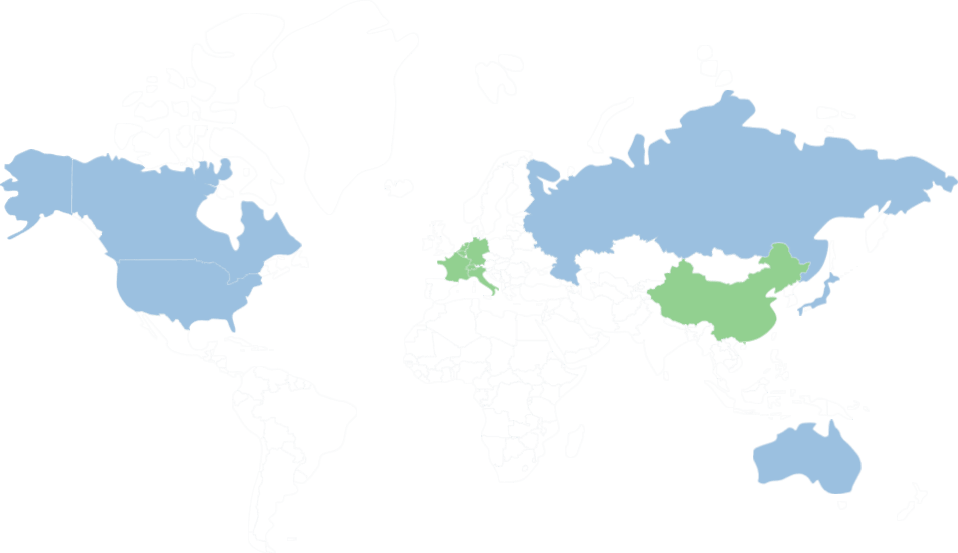
Where Can You Travel With Us?
TAKE A LOOK AT OUR MAP
France
Italy
Netherlands
Luxembourg
Austria
Germany
Belgium
Switzerland
Denmark
Sweden
Norway
Hungary
Czech
Ukraine
China
Active
France, Italy, Netherlands, Luxembourg, Austria, Germany, Belgium, Switzerland, Denmark, Sweden, Norway, Hungary, Czech, Ukraine, China
Upcoming
USA, Canada, Spain, Poland, Japan
Other Train Trips From Lille

Lille Europe to La Baule Escoublac

Lille Europe to Versailles Chantiers
Lille Europe to Decize

Lille Europe to Sable

Lille Europe to Yvetot

Lille Europe to Neussargues

Lille Europe to Bandol

Lille Europe to Rouen Rive Droite

Lille Europe to Angers Saint Laud
Lille Europe to Eze

Lille Europe to Hettange Grande

Lille Europe to Montargis

Lille Europe to Saint Etienne Chateaucreux
Lille Europe to Belfort

Lille Europe to Sierentz

Lille Europe to La Ciotat

Lille Europe to Montpellier Saint Roch
Lille Europe to Culmont Chalindrey

Lille Europe to Montrejeau Gourdan Polignan

Lille Europe to Pagny Sur Moselle

Lille Europe to Eranova

Lille Europe to Aix En Provence Tgv

Lille Europe to Forbach

Lille Europe to Saint Jean De Luz
Lille Europe to Saint Palais

Lille Europe to Onville
Lille Europe to Chatellerault

Lille Europe to Lezennes
Lille Europe to Frejus

Lille Europe to La Bastide Saint Laurent Les Bains
WHY YOU SHOULD TRAVEL BY TRAIN?
To travel from Lille To Paris, trains would be the best travel choice, for several reasons:
1
Eco-Friendly
Trains are the most environmentally-friendly way of transport to the EU Environment Agency. They are powered by electricity, which is renewable and has a low environmental impact.
2
Speed
Travelling by train is in most cases the fastest way to go from Rome to Milan. Trains usually travel at high speeds, making them the fastest way to get from one place to another.
3
Safety
Travelling by train is one of the safest forms of transport. Trains are heavily regulated and monitored, making them safer than other forms of transport.
4
Price
Travelling by train is often cheaper than other forms of transport, such as flying or taking a bus. Trains are often subsidized by the government, making them cheaper than other forms of transport.
5
Luggage
Travelling by train is a great way to transport luggage. Trains usually have plenty of space for luggage and they are usually safe and secure.
6
Luggage
Travelling by train is often faster than other forms of transport, such as driving or taking a bus. Trains usually travel at high speeds, making them the fastest way to get from one place to another.
7
Comfortability
Travelling by train is usually very comfortable. Trains usually have comfortable seating and plenty of legroom, making them a great way to travel.
8
Comfortability
Travelling by train is a great way to get some sleep. Trains usually have comfortable seats and plenty of legroom, making them a great way to get some rest while travelling.
9
WIFI
This is not necessarily the most important when you travel since we prefer to tell you to enjoy your travel without your phones, but on trains, you can find WIFI onboard, so you remain connected to the internet if you choose to.
THESE ARE THE TRAIN OPERATORS WE WORK WITH