GET THE BEST TRAIN
TRAVEL OFFERS

ORDER A TRAIN TICKET
FAST AND EASY

CHOOSE HOW YOU
WANT TO PAY

Distance from Magdeburg To Brandenburg is 68 Kilometer

You will save the environment by 71% in terms of Carbon footprint if you travel between Magdeburg to Brandenburg by Trains and not by Airplane

You will save the environment by 60% in terms of Carbon footprint if you travel between Magdeburg to Brandenburg by Trains vs Cars

You can order Train Ticket ticket from Magdeburg To Brandenburg 3 Months ahead of your departure date

Save A Train is the first cheapest for all Train travel needs for leisure travelers and business travelers

You can pay for your train trip to Brandenburg by these Payment terms Mastecard, Visa, American Express. Maestro creadits cards but aslo with the following alternative payment methodes: Paypal, Alipay, WeChat, Trustly, ideal, sofort and more.

Remember traveling by train is very scenic experience especially if you train travel between Magdeburg and Brandenburg, enjoy!
Thursday,
Jan 1
Brandenburg
3°

Friday,
Jan 2
Brandenburg
1°

Saturday,
Jan 3
Brandenburg
-1°

Sunday,
Jan 4
Brandenburg
-2°
Monday,
Jan 5
Brandenburg
-5°
Monday,
Jan 5
Brandenburg
-6°
SEE HOW YOUR TRAIN TRIP FROM Magdeburg to Brandenburg WILL LOOK LIKE

MORE IMPORTANT INFORMATION ABOUT YOUR TRAVEL TO Brandenburg
The Train station is located at the center of Brandenburg
Brandenburg (, also US: German: [ˈbʁandn̩bʊʁk]; Low German: Brannenborg; Lower Sorbian: Bramborska; Upper Sorbian: Braniborsko; Polish: Brandenburgia) is a state of Germany. Brandenburg is located in the northeast of Germany covering an area of 29,478 square kilometres (11,382 sq mi) and has a population of 2.5 million residents, the fifth-largest German state by area and tenth-most populous. Potsdam is the state capital and largest city, while other major cities include Brandenburg an der Havel, Cottbus, and Frankfurt (Oder). Brandenburg surrounds the national capital and city-state of Berlin, which together form the Berlin/Brandenburg Metropolitan Region, the third-largest metropolitan area in Germany. Brandenburg borders the states of Mecklenburg-Vorpommern, Lower Saxony, Saxony-Anhalt, and Saxony, and the country of Poland. Brandenburg originated in the Northern March in the 900s AD from areas conquered from the Wends, and later became the Margraviate of Brandenburg, a major principality of the Holy Roman Empire, with Albert the Bear as prince-elector.
Source:
WikipediaADDITIONAL INFORMATION ABOUT Magdeburg
The Train station is located at the center of Magdeburg
Magdeburg (German pronunciation: [ˈmakdəbʊɐ̯k]; Low Saxon: Meideborg, [ˈmaˑɪdebɔɐ̯x]) is the capital city and the second largest city of the state of Saxony-Anhalt, Germany. It is situated on the Elbe River. Otto I, the first Holy Roman Emperor and founder of the archbishopric of Magdeburg, was buried in the town's cathedral after his death. Magdeburg's version of German town law, known as Magdeburg rights, spread throughout Central and Eastern Europe. Until 1631, Magdeburg was one of the largest and most prosperous German cities and a notable member of the Hanseatic League. Magdeburg has been destroyed twice in its history. The Catholic League sacked Magdeburg in 1631, resulting in the death of 25,000 non-combatants, the largest loss of the Thirty Years' War.
Source:
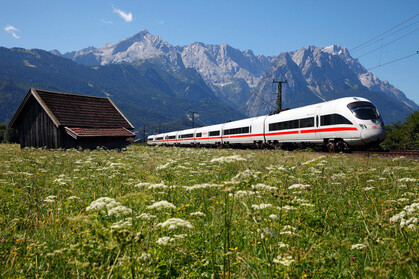
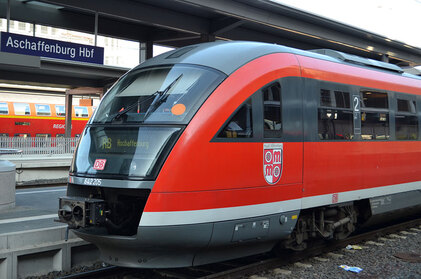
WikipediaImages of the trains for your trip




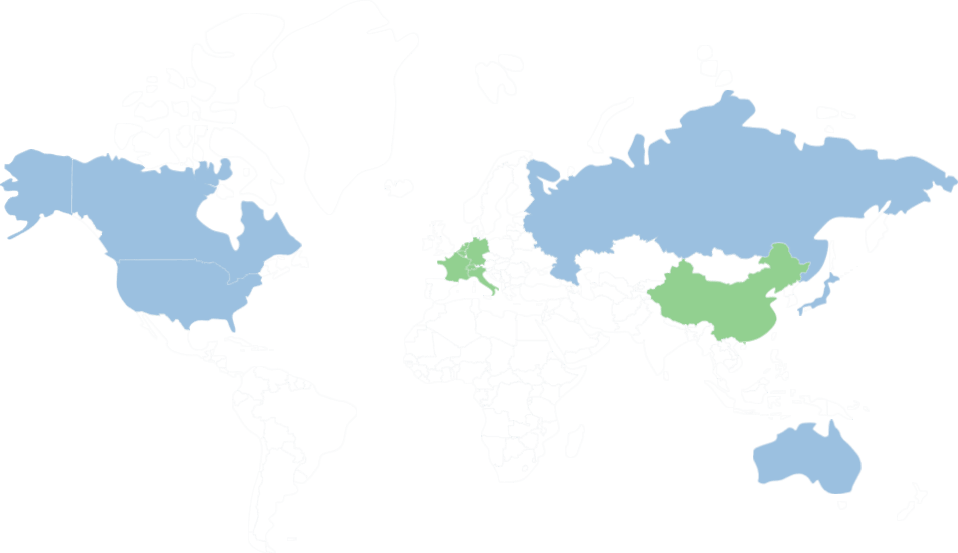
Where Can You Travel With Us?
TAKE A LOOK AT OUR MAP
France
Italy
Netherlands
Luxembourg
Austria
Germany
Belgium
Switzerland
Denmark
Sweden
Norway
Hungary
Czech
Ukraine
China
Active
France, Italy, Netherlands, Luxembourg, Austria, Germany, Belgium, Switzerland, Denmark, Sweden, Norway, Hungary, Czech, Ukraine, China
Upcoming
USA, Canada, Spain, Poland, Japan
Other Train Trips From Magdeburg

Magdeburg to Munich East Station

Magdeburg to Engers

Magdeburg to Altstadten Allgau

Magdeburg to Murnau
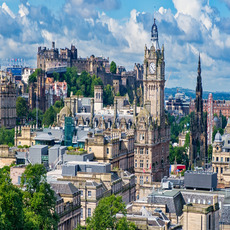
Magdeburg to Kondringen

Magdeburg to Berlin Gesundbrunnen
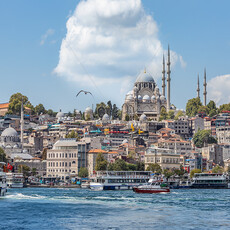
Magdeburg to Rosenheim
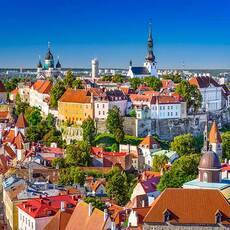
Magdeburg to Offenburg

Magdeburg to Illertissen

Magdeburg to Triptis

Magdeburg to Neuenmarkt Wirsberg

Magdeburg to Waging

Magdeburg to Zossen

Magdeburg to Augsburg

Magdeburg to Hennigsdorf Berlin
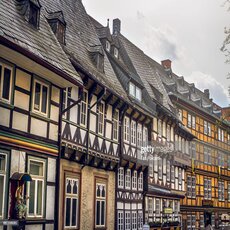
Magdeburg to Neustadt Schwarzwald
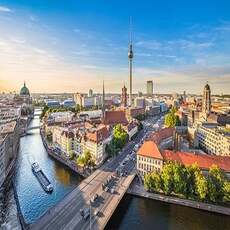
Magdeburg to Wuppertal Sonnborn

Magdeburg to Mehrhoog
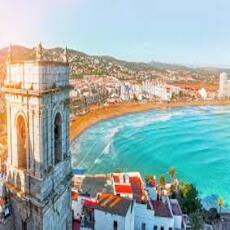
Magdeburg to Hanau West
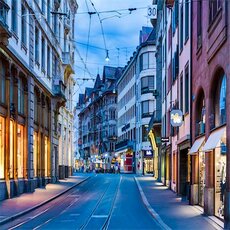
Magdeburg to Overath

Magdeburg to Holzheim Bei Neuss
Magdeburg to Finnentrop
Magdeburg to Sindelfingen
Magdeburg to Friesenheim Baden

Magdeburg to Heilbronn

Magdeburg to Eisenach

Magdeburg to Rosrath

Magdeburg to Stadtoldendorf

Magdeburg to Baunatal Guntershausen

Magdeburg to Herbertingen
WHY YOU SHOULD TRAVEL BY TRAIN?
To travel from Magdeburg To Brandenburg, trains would be the best travel choice, for several reasons:
1
Eco-Friendly
Trains are the most environmentally-friendly way of transport to the EU Environment Agency. They are powered by electricity, which is renewable and has a low environmental impact.
2
Speed
Travelling by train is in most cases the fastest way to go from Rome to Milan. Trains usually travel at high speeds, making them the fastest way to get from one place to another.
3
Safety
Travelling by train is one of the safest forms of transport. Trains are heavily regulated and monitored, making them safer than other forms of transport.
4
Price
Travelling by train is often cheaper than other forms of transport, such as flying or taking a bus. Trains are often subsidized by the government, making them cheaper than other forms of transport.
5
Luggage
Travelling by train is a great way to transport luggage. Trains usually have plenty of space for luggage and they are usually safe and secure.
6
Luggage
Travelling by train is often faster than other forms of transport, such as driving or taking a bus. Trains usually travel at high speeds, making them the fastest way to get from one place to another.
7
Comfortability
Travelling by train is usually very comfortable. Trains usually have comfortable seating and plenty of legroom, making them a great way to travel.
8
Comfortability
Travelling by train is a great way to get some sleep. Trains usually have comfortable seats and plenty of legroom, making them a great way to get some rest while travelling.
9
WIFI
This is not necessarily the most important when you travel since we prefer to tell you to enjoy your travel without your phones, but on trains, you can find WIFI onboard, so you remain connected to the internet if you choose to.
THESE ARE THE TRAIN OPERATORS WE WORK WITH