GET THE BEST TRAIN
TRAVEL OFFERS

ORDER A TRAIN TICKET
FAST AND EASY

CHOOSE HOW YOU
WANT TO PAY

Distance from Marseilles To Champagne is 685 Kilometer

You will save the environment by 72% in terms of Carbon footprint if you travel between Marseilles to Champagne by Trains and not by Airplane

You will save the environment by 61% in terms of Carbon footprint if you travel between Marseilles to Champagne by Trains vs Cars

You can order Train Ticket ticket from Marseilles To Champagne 3 Months ahead of your departure date

Save A Train is the first cheapest for all Train travel needs for leisure travelers and business travelers

You can pay for your train trip to Champagne by these Payment terms Mastecard, Visa, American Express. Maestro creadits cards but aslo with the following alternative payment methodes: Paypal, Alipay, WeChat, Trustly, ideal, sofort and more.

Remember traveling by train is very scenic experience especially if you train travel between Marseilles and Champagne, enjoy!
MORE IMPORTANT INFORMATION ABOUT YOUR TRAVEL TO Champagne
The Train station is located at the center of Champagne
Champagne is a French sparkling wine. Many people use the term Champagne as a generic term for sparkling wine, but in the EU and some other countries, it is illegal to label any product Champagne unless it comes from the Champagne region of France and is produced under the rules of the appellation. This alcoholic drink is produced from specific types of grapes grown in the Champagne region following rules that demand, among other things, specific vineyard practices, sourcing of grapes exclusively from designated places within the Champagne region, specific grape-pressing methods and secondary fermentation of the wine in the bottle to cause carbonation. The grapes Pinot noir, Pinot meunier, and Chardonnay are primarily used to produce almost all Champagne, but small amounts of Pinot blanc, Pinot gris, Arbane, and Petit Meslier are vinified as well. Only these specific grapes grown according to appellation rules on designated plots of land within the appellation may be used to make Champagne. Champagne became associated with royalty in the 17th, 18th, and 19th centuries. The leading manufacturers made efforts to associate their Champagnes with nobility and royalty through advertising and packaging, which led to its popularity among the emerging middle class.
Source:
WikipediaADDITIONAL INFORMATION ABOUT Marseilles
The Train station is located at the center of Marseilles
Marseille ( mar-SAY, also spelled in English as Marseilles; French: [maʁsɛj], locally [maʁˈsɛjə]; Occitan: Marselha [maʀˈsejɔ, -ˈsijɔ]) is the prefecture of the department of Bouches-du-Rhône and region of Provence-Alpes-Côte d'Azur. It is located on the Mediterranean coast near the mouth of the Rhône. The city covers an area of 241 km2 (93 sq mi) and had a population of 870,018 in 2016. Its metropolitan area, which extends over 3,173 km2 (1,225 sq mi) is the third-largest in France after those of Paris and Lyon, with a population of 1,831,500 as of 2010.Known to the ancient Greeks and Romans as Massalia (Greek: Μασσαλία, romanized: Massalía), Marseille was an important European trading centre and remains the main commercial port of the French Republic. Marseille is now France's largest city on the Mediterranean coast and the largest port for commerce, freight and cruise ships.
Source:
WikipediaImages of the trains for your trip
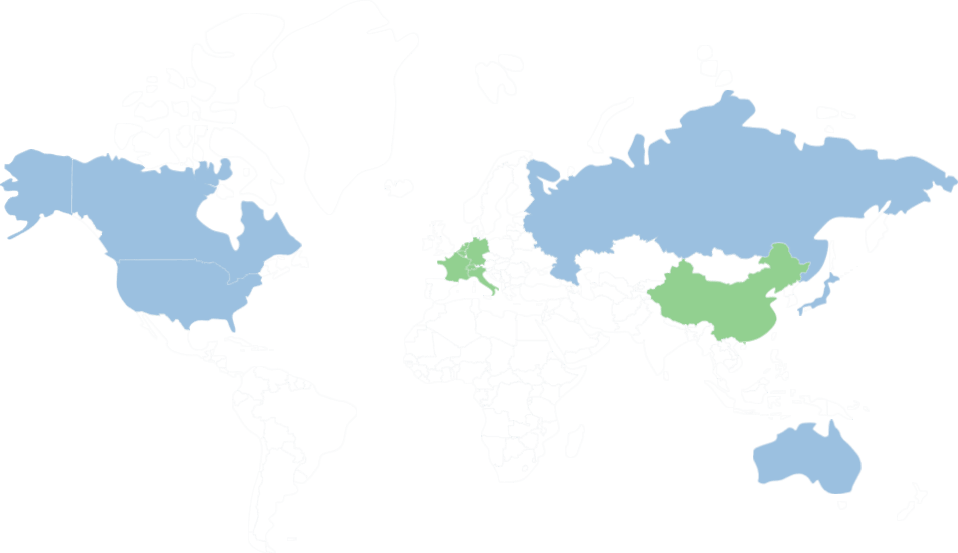
Where Can You Travel With Us?
TAKE A LOOK AT OUR MAP
France
Italy
Netherlands
Luxembourg
Austria
Germany
Belgium
Switzerland
Denmark
Sweden
Norway
Hungary
Czech
Ukraine
China
Active
France, Italy, Netherlands, Luxembourg, Austria, Germany, Belgium, Switzerland, Denmark, Sweden, Norway, Hungary, Czech, Ukraine, China
Upcoming
USA, Canada, Spain, Poland, Japan
Other Train Trips From Marseilles
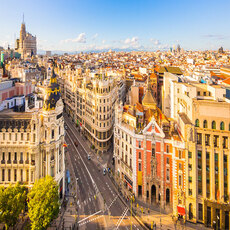
Marseilles to Ruffec Charente

Marseilles to Auxerre Saint Gervais
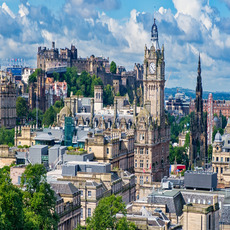
Marseilles to Yvoire Cgn

Marseilles to Romilly Sur Seine
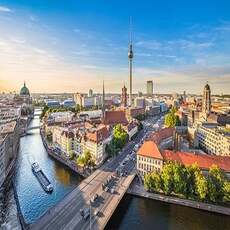
Marseilles to Moyeuvre Grande

Marseilles to Frasne
Marseilles to Coutras

Marseilles to La Bastide Saint Laurent Les Bains
Marseilles to Mezidon Canon
Marseilles to Henin Beaumont
Marseilles to Saint Jean Pied De Port

Marseilles to Sete

Marseilles to Perpignan

Marseilles to Obernai

Marseilles to Nice Riquier
Marseilles to Surdon

Marseilles to Lorient
Marseilles to Saint Maixent Deux Sevres
Marseilles to Pornichet

Marseilles to Lons Le Saunier

Marseilles to Saint Pierre Des Corps

Marseilles to Pont A Mousson

Marseilles to Lezennes

Marseilles to Rives

Marseilles to Amboise
Marseilles to Selestat

Marseilles to Besancon Viotte

Marseilles to Voiron
Marseilles to Strasbourg

Marseilles to Munster FR
WHY YOU SHOULD TRAVEL BY TRAIN?
To travel from Marseilles To Champagne, trains would be the best travel choice, for several reasons:
1
Eco-Friendly
Trains are the most environmentally-friendly way of transport to the EU Environment Agency. They are powered by electricity, which is renewable and has a low environmental impact.
2
Speed
Travelling by train is in most cases the fastest way to go from Rome to Milan. Trains usually travel at high speeds, making them the fastest way to get from one place to another.
3
Safety
Travelling by train is one of the safest forms of transport. Trains are heavily regulated and monitored, making them safer than other forms of transport.
4
Price
Travelling by train is often cheaper than other forms of transport, such as flying or taking a bus. Trains are often subsidized by the government, making them cheaper than other forms of transport.
5
Luggage
Travelling by train is a great way to transport luggage. Trains usually have plenty of space for luggage and they are usually safe and secure.
6
Luggage
Travelling by train is often faster than other forms of transport, such as driving or taking a bus. Trains usually travel at high speeds, making them the fastest way to get from one place to another.
7
Comfortability
Travelling by train is usually very comfortable. Trains usually have comfortable seating and plenty of legroom, making them a great way to travel.
8
Comfortability
Travelling by train is a great way to get some sleep. Trains usually have comfortable seats and plenty of legroom, making them a great way to get some rest while travelling.
9
WIFI
This is not necessarily the most important when you travel since we prefer to tell you to enjoy your travel without your phones, but on trains, you can find WIFI onboard, so you remain connected to the internet if you choose to.
THESE ARE THE TRAIN OPERATORS WE WORK WITH