GET THE BEST TRAIN
TRAVEL OFFERS

ORDER A TRAIN TICKET
FAST AND EASY

CHOOSE HOW YOU
WANT TO PAY

Distance from Marseilles To Rennes is 726 Kilometer

You will save the environment by 79% in terms of Carbon footprint if you travel between Marseilles to Rennes by Trains and not by Airplane

You will save the environment by 68% in terms of Carbon footprint if you travel between Marseilles to Rennes by Trains vs Cars

You can order Train Ticket ticket from Marseilles To Rennes 3 Months ahead of your departure date

Save A Train is the first cheapest for all Train travel needs for leisure travelers and business travelers

You can pay for your train trip to Rennes by these Payment terms Mastecard, Visa, American Express. Maestro creadits cards but aslo with the following alternative payment methodes: Paypal, Alipay, WeChat, Trustly, ideal, sofort and more.

Remember traveling by train is very scenic experience especially if you train travel between Marseilles and Rennes, enjoy!
Wednesday,
Dec 24
Rennes
3°

Thursday,
Dec 25
Rennes
-2°

Friday,
Dec 26
Rennes
-2°
Saturday,
Dec 27
Rennes
-1°

Sunday,
Dec 28
Rennes
1°
Monday,
Dec 29
Rennes
-0°
MORE IMPORTANT INFORMATION ABOUT YOUR TRAVEL TO Rennes
The Train station is located at the center of Rennes
Rennes (French pronunciation: [ʁɛn]; Breton: Roazhon [ˈrwɑːzən]; Gallo: Resnn; Latin: Condate Redonum) is a city in the east of Brittany in northwestern France at the confluence of the Ille and the Vilaine. Rennes is the capital of the region of Brittany, as well as the Ille-et-Vilaine department. Rennes's history goes back more than 2,000 years, at a time when it was a small Gallic village named Condate. Together with Vannes and Nantes, it was one of the major cities of the ancient Duchy of Brittany. From the early sixteenth century until the French Revolution, Rennes was a parliamentary, administrative and garrison city of the historic province of Brittany of the Kingdom of France. Since the 1950s, Rennes has grown in importance through rural flight and its modern industrial development, partly automotive. The city developed extensive building plans to accommodate upwards of 200,000 inhabitants.
Source:
WikipediaADDITIONAL INFORMATION ABOUT Marseilles
The Train station is located at the center of Marseilles
Marseille ( mar-SAY, also spelled in English as Marseilles; French: [maʁsɛj], locally [maʁˈsɛjə]; Occitan: Marselha [maʀˈsejɔ, -ˈsijɔ]) is the prefecture of the department of Bouches-du-Rhône and region of Provence-Alpes-Côte d'Azur. It is located on the Mediterranean coast near the mouth of the Rhône. The city covers an area of 241 km2 (93 sq mi) and had a population of 870,018 in 2016. Its metropolitan area, which extends over 3,173 km2 (1,225 sq mi) is the third-largest in France after those of Paris and Lyon, with a population of 1,831,500 as of 2010.Known to the ancient Greeks and Romans as Massalia (Greek: Μασσαλία, romanized: Massalía), Marseille was an important European trading centre and remains the main commercial port of the French Republic. Marseille is now France's largest city on the Mediterranean coast and the largest port for commerce, freight and cruise ships.
Source:
WikipediaImages of the trains for your trip
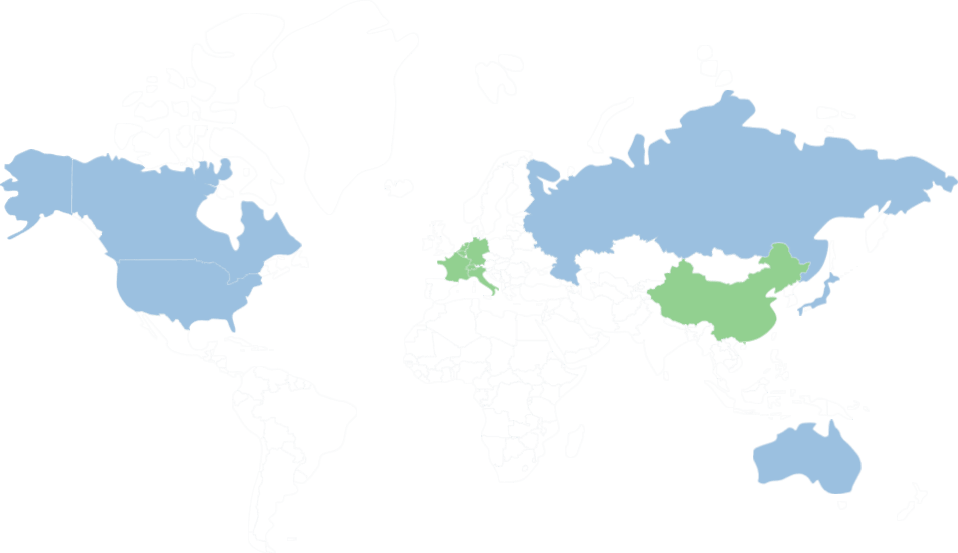
Where Can You Travel With Us?
TAKE A LOOK AT OUR MAP
France
Italy
Netherlands
Luxembourg
Austria
Germany
Belgium
Switzerland
Denmark
Sweden
Norway
Hungary
Czech
Ukraine
China
Active
France, Italy, Netherlands, Luxembourg, Austria, Germany, Belgium, Switzerland, Denmark, Sweden, Norway, Hungary, Czech, Ukraine, China
Upcoming
USA, Canada, Spain, Poland, Japan
Other Train Trips From Marseilles

Marseilles to Troyes

Marseilles to Saint Denis Pres Martel
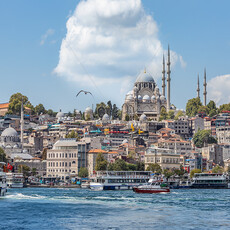
Marseilles to Dreux

Marseilles to Meymac

Marseilles to Blois Chambord
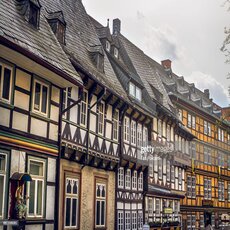
Marseilles to Le Mans

Marseilles to Coutras
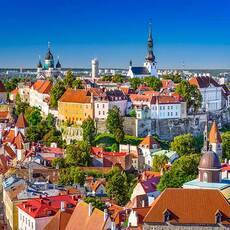
Marseilles to Montpellier Saint Roch

Marseilles to Lannion
Marseilles to Mauleon

Marseilles to Paimpol

Marseilles to Aubagne

Marseilles to Sarrebourg

Marseilles to Belfort Montbeliard

Marseilles to Sierck Les Bains

Marseilles to Hettange Grande

Marseilles to Orthez
Marseilles to Breaute Beuzeville
Marseilles to Macon Loche Tgv

Marseilles to Landerneau
Marseilles to Les Arcs Draguignan

Marseilles to Croix Wasquehal

Marseilles to Nevers

Marseilles to Hellemmes

Marseilles to Beauvais

Marseilles to Narbonne

Marseilles to Bourg Saint Maurice
Marseilles to L Estaque

Marseilles to Eranova
Marseilles to Ales
WHY YOU SHOULD TRAVEL BY TRAIN?
To travel from Marseilles To Rennes, trains would be the best travel choice, for several reasons:
1
Eco-Friendly
Trains are the most environmentally-friendly way of transport to the EU Environment Agency. They are powered by electricity, which is renewable and has a low environmental impact.
2
Speed
Travelling by train is in most cases the fastest way to go from Rome to Milan. Trains usually travel at high speeds, making them the fastest way to get from one place to another.
3
Safety
Travelling by train is one of the safest forms of transport. Trains are heavily regulated and monitored, making them safer than other forms of transport.
4
Price
Travelling by train is often cheaper than other forms of transport, such as flying or taking a bus. Trains are often subsidized by the government, making them cheaper than other forms of transport.
5
Luggage
Travelling by train is a great way to transport luggage. Trains usually have plenty of space for luggage and they are usually safe and secure.
6
Luggage
Travelling by train is often faster than other forms of transport, such as driving or taking a bus. Trains usually travel at high speeds, making them the fastest way to get from one place to another.
7
Comfortability
Travelling by train is usually very comfortable. Trains usually have comfortable seating and plenty of legroom, making them a great way to travel.
8
Comfortability
Travelling by train is a great way to get some sleep. Trains usually have comfortable seats and plenty of legroom, making them a great way to get some rest while travelling.
9
WIFI
This is not necessarily the most important when you travel since we prefer to tell you to enjoy your travel without your phones, but on trains, you can find WIFI onboard, so you remain connected to the internet if you choose to.
THESE ARE THE TRAIN OPERATORS WE WORK WITH