GET THE BEST TRAIN
TRAVEL OFFERS
ORDER A TRAIN TICKET
FAST AND EASY

CHOOSE HOW YOU
WANT TO PAY

Distance from Milan To Santa is 111 Kilometer

You will save the environment by 80% in terms of Carbon footprint if you travel between Milan to Santa by Trains and not by Airplane

You will save the environment by 69% in terms of Carbon footprint if you travel between Milan to Santa by Trains vs Cars

You can order Train Ticket ticket from Milan To Santa 3 Months ahead of your departure date

Save A Train is the first cheapest for all Train travel needs for leisure travelers and business travelers

You can pay for your train trip to Santa by these Payment terms Mastecard, Visa, American Express. Maestro creadits cards but aslo with the following alternative payment methodes: Paypal, Alipay, WeChat, Trustly, ideal, sofort and more.

Remember traveling by train is very scenic experience especially if you train travel between Milan and Santa, enjoy!
SEE HOW YOUR TRAIN TRIP FROM Milan to Santa WILL LOOK LIKE

MORE IMPORTANT INFORMATION ABOUT YOUR TRAVEL TO Santa
The Train station is located at the center of Santa
Santa Claus, also known as Father Christmas, Saint Nicholas, Saint Nick, Kris Kringle, or simply Santa, is an imaginary figure originating in Western Christian culture who is said to bring gifts to the homes of well-behaved children on the night of Christmas Eve (24 December) or during the early morning hours of Christmas Day (25 December). The modern Santa Claus grew out of traditions surrounding the historical Saint Nicholas (a fourth-century Greek bishop and gift-giver of Myra), the British figure of Father Christmas, and the Dutch figure of Sinterklaas (himself also based on Saint Nicholas). Some maintain Santa Claus also absorbed elements of the Germanic god Wodan, who was associated with the pagan midwinter event of Yule and led the Wild Hunt, a ghostly procession through the sky. Santa Claus is generally depicted as a portly, jolly, white-bearded man—sometimes with spectacles—wearing a red coat with white fur collar and cuffs, white-fur-cuffed red trousers, red hat with white fur, and black leather belt and boots and carrying a bag full of gifts for children. This image became popular in the United States and Canada in the 19th century due to the significant influence of the 1823 poem "A Visit from St. Nicholas" and caricaturist and political cartoonist Thomas Nast.
Source:
WikipediaADDITIONAL INFORMATION ABOUT Milan
The Train station is located at the center of Milan
Milan is a city in northern Italy, capital of Lombardy, and the second-most populous city in Italy after Rome. Milan served as the capital of the Western Roman Empire, the Duchy of Milan and the Kingdom of Lombardy–Venetia. The city proper has a population of about 1.4 million while its metropolitan city has 3.26 million inhabitants. Its continuously built-up urban area, that stretches well beyond the boundaries of its administrative metropolitan city, is the fourth largest in the EU with 5.27 million inhabitants. The population within the wider Milan metropolitan area, also known as Greater Milan, is estimated at 8.2 million, making it by far the largest metropolitan area in Italy and the 4th largest in the EU.Milan is considered a leading alpha global city, with strengths in the field of the art, commerce, design, education, entertainment, fashion, finance, healthcare, media, services, research and tourism.
Source:
WikipediaImages of the trains for your trip


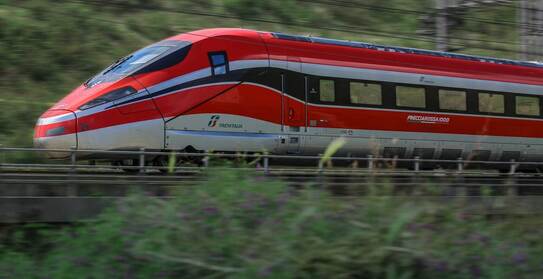
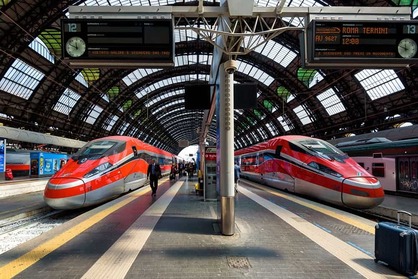


Where Can You Travel With Us?
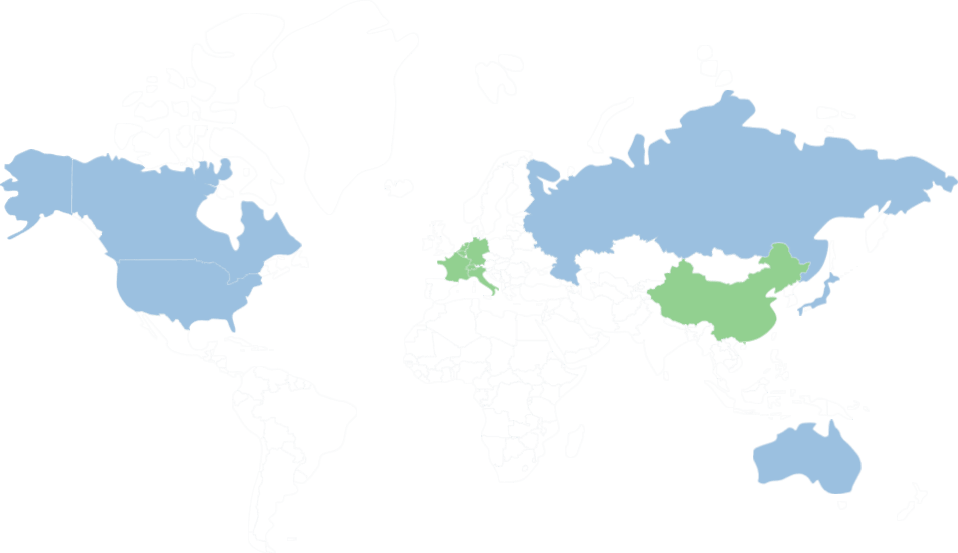
TAKE A LOOK AT OUR MAP
France
Italy
Netherlands
Luxembourg
Austria
Germany
Belgium
Switzerland
Denmark
Sweden
Norway
Hungary
Czech
Ukraine
China
Active
France, Italy, Netherlands, Luxembourg, Austria, Germany, Belgium, Switzerland, Denmark, Sweden, Norway, Hungary, Czech, Ukraine, China
Upcoming
USA, Canada, Spain, Poland, Japan
Other Train Trips From Milan
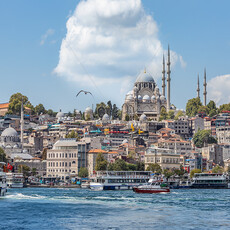
Milan to Cittiglio
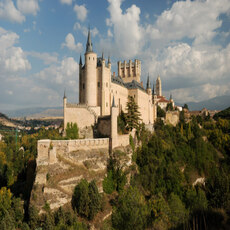
Milan to Costigliole Saluzzo

Milan to Ponte Parrano Di Nocera Umbra
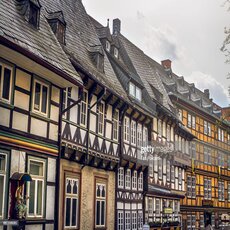
Milan to Migliaro

Milan to Castellina In Chianti Monteriggioni
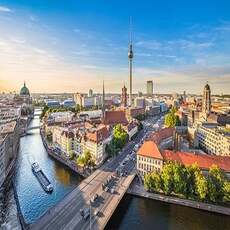
Milan to Villanova Grosso

Milan to Marlia Mercato

Milan to Milan Affori

Milan to Alberobello

Milan to Sammichele

Milan to Patu
Milan to San Cristoforo Al Lago Ischia

Milan to Tufara Valle Arpaise Ceppaloni

Milan to Pontelongo
Milan to Nemi
Milan to Lambrinia
Milan to Ternate Varano Borghi
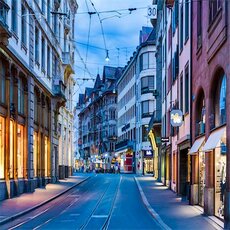
Milan to San Gottardo

Milan to Laveno Mombello North

Milan to Reggio San Lazzaro
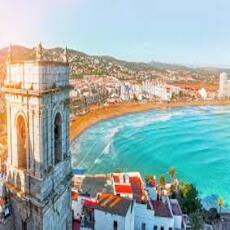
Milan to Cavanella D Adige

Milan to Genoa Quarto Dei Mille

Milan to Avio

Milan to Caulonia
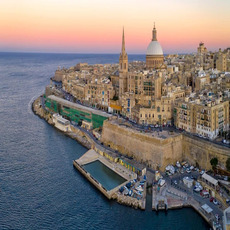
Milan to Fiano

Milan to Dolo

Milan to Torre Annunziata
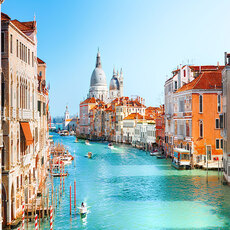
Milan to Cixerri

Milan to Fontana Liri Inferiore

Milan to Ronta
WHY YOU SHOULD TRAVEL BY TRAIN?
To travel from Milan To Santa, trains would be the best travel choice, for several reasons:
1
Eco-Friendly
Trains are the most environmentally-friendly way of transport to the EU Environment Agency. They are powered by electricity, which is renewable and has a low environmental impact.
2
Speed
Travelling by train is in most cases the fastest way to go from Rome to Milan. Trains usually travel at high speeds, making them the fastest way to get from one place to another.
3
Safety
Travelling by train is one of the safest forms of transport. Trains are heavily regulated and monitored, making them safer than other forms of transport.
4
Price
Travelling by train is often cheaper than other forms of transport, such as flying or taking a bus. Trains are often subsidized by the government, making them cheaper than other forms of transport.
5
Luggage
Travelling by train is a great way to transport luggage. Trains usually have plenty of space for luggage and they are usually safe and secure.
6
Luggage
Travelling by train is often faster than other forms of transport, such as driving or taking a bus. Trains usually travel at high speeds, making them the fastest way to get from one place to another.
7
Comfortability
Travelling by train is usually very comfortable. Trains usually have comfortable seating and plenty of legroom, making them a great way to travel.
8
Comfortability
Travelling by train is a great way to get some sleep. Trains usually have comfortable seats and plenty of legroom, making them a great way to get some rest while travelling.
9
WIFI
This is not necessarily the most important when you travel since we prefer to tell you to enjoy your travel without your phones, but on trains, you can find WIFI onboard, so you remain connected to the internet if you choose to.
THESE ARE THE TRAIN OPERATORS WE WORK WITH