GET THE BEST TRAIN
TRAVEL OFFERS
ORDER A TRAIN TICKET
FAST AND EASY

CHOOSE HOW YOU
WANT TO PAY

Distance from Munich To Dortmund is 441 Kilometer

You will save the environment by 72% in terms of Carbon footprint if you travel between Munich to Dortmund by Trains and not by Airplane

You will save the environment by 61% in terms of Carbon footprint if you travel between Munich to Dortmund by Trains vs Cars

You can order Train Ticket ticket from Munich To Dortmund 3 Months ahead of your departure date

Save A Train is the first cheapest for all Train travel needs for leisure travelers and business travelers

You can pay for your train trip to Dortmund by these Payment terms Mastecard, Visa, American Express. Maestro creadits cards but aslo with the following alternative payment methodes: Paypal, Alipay, WeChat, Trustly, ideal, sofort and more.

Remember traveling by train is very scenic experience especially if you train travel between Munich and Dortmund, enjoy!
Sunday,
Dec 7
Dortmund
11°

Monday,
Dec 8
Dortmund
13°
Tuesday,
Dec 9
Dortmund
13°

Wednesday,
Dec 10
Dortmund
11°
Thursday,
Dec 11
Dortmund
9°
Friday,
Dec 12
Dortmund
10°
SEE HOW YOUR TRAIN TRIP FROM Munich to Dortmund WILL LOOK LIKE

MORE IMPORTANT INFORMATION ABOUT YOUR TRAVEL TO Dortmund
The Train station is located at the center of Dortmund
Dortmund (, also UK: US: German: [ˈdɔʁtmʊnt]; Westphalian Low German: Düörpm [ˈdyːœɐ̯pm̩]; Latin: Tremonia) is with a population of 603,609 inhabitants as of 2020, the third-largest city of Germany's most populous federal state of North Rhine-Westphalia and Germany's eighth-largest city. It is the largest city (by area and population) of the Ruhr, Germany's largest urban area with some 5.1 million inhabitants, as well as the largest city of Westphalia. On the Emscher and Ruhr rivers (tributaries of the Rhine), it lies in the Rhine-Ruhr Metropolitan Region and is considered the administrative, commercial, and cultural centre of the eastern Ruhr. Dortmund is the second largest city in the Low German dialect area after Hamburg. Founded around 882, Dortmund became an Imperial Free City. Throughout the 13th to 14th centuries, it was the "chief city" of the Rhine, Westphalia, the Netherlands Circle of the Hanseatic League.
Source:
WikipediaADDITIONAL INFORMATION ABOUT Munich
The Train station is located at the center of Munich
Munich ( MEW-nik; German: München [ˈmʏnçn̩]; Austro-Bavarian: Minga [ˈmɪŋ(ː)ɐ]; Slovene: Monakovo; Latin: Monachium; Italian: Monaco di Baviera) is the capital and most populous city of Bavaria, the second most populous German federal state. With a population of around 1.5 million, it is the third-largest city in Germany, after Berlin and Hamburg, and thus the largest which does not constitute its own state, as well as the 11th-largest city in the European Union. The city's metropolitan region is home to 6 million people. Straddling the banks of the River Isar (a tributary of the Danube) north of the Bavarian Alps, it is the seat of the Bavarian administrative region of Upper Bavaria, while being the most densely populated municipality in Germany (4,500 people per km²). Munich is the second-largest city in the Bavarian dialect area, after the Austrian capital of Vienna, Munich was one of the host cities of the official tournament of the 2006 FIFA World Cup. The city is a global centre of art, science, technology, finance, publishing, culture, innovation, education, business, and tourism and enjoys a very high standard and quality of living, reaching first in Germany and third worldwide according to the 2018 Mercer survey, and being rated the world's most liveable city by the Monocle's Quality of Life Survey 2018.
Source:
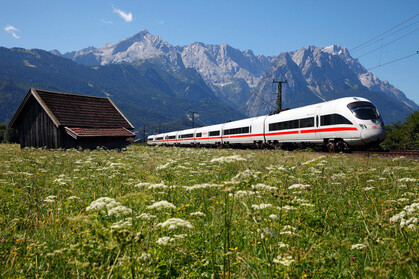
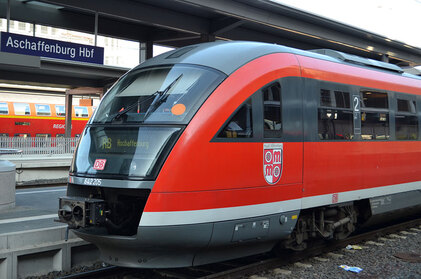
WikipediaImages of the trains for your trip




Where Can You Travel With Us?
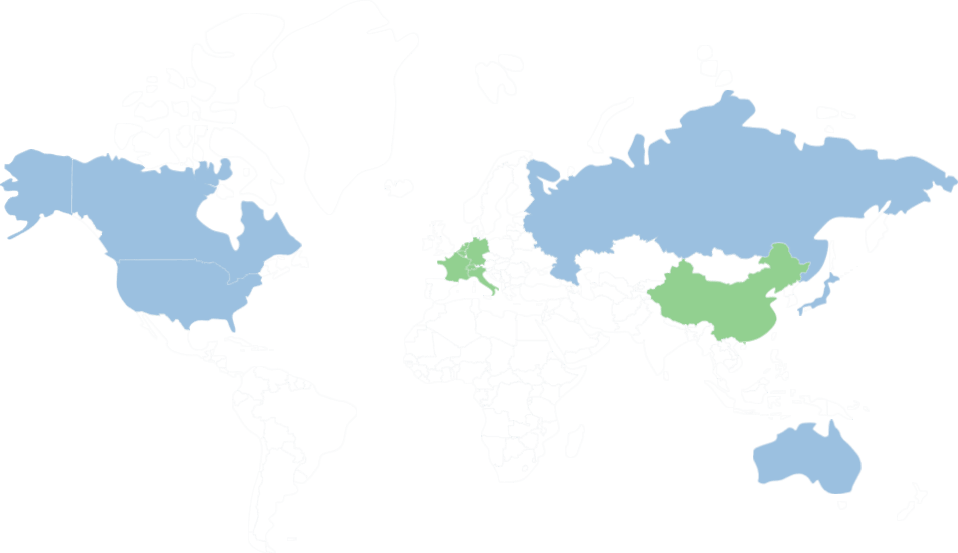
TAKE A LOOK AT OUR MAP
France
Italy
Netherlands
Luxembourg
Austria
Germany
Belgium
Switzerland
Denmark
Sweden
Norway
Hungary
Czech
Ukraine
China
Active
France, Italy, Netherlands, Luxembourg, Austria, Germany, Belgium, Switzerland, Denmark, Sweden, Norway, Hungary, Czech, Ukraine, China
Upcoming
USA, Canada, Spain, Poland, Japan
Other Train Trips From Munich
Munich to Bienenbuttel

Munich to Leiferde Bei Gifhorn

Munich to Finsterwalde Niederlausitz

Munich to Neunkirchen

Munich to Kitzingen

Munich to Neuenmarkt Wirsberg
Munich to Ottbergen

Munich to Witten Annen North
Munich to Lauchringen

Munich to Muenchen-laim Pbf
Munich to Willingen

Munich to Bad Camberg

Munich to Haren Ems DE

Munich to Enzisweiler
Munich to Erfurt East

Munich to Kreuzberg Ahr
Munich to Siegen

Munich to Bad Steben

Munich to Bad Schonborn Kronau
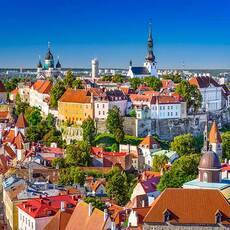
Munich to Regen
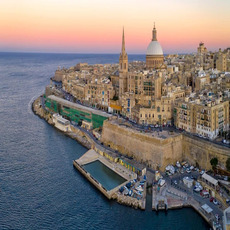
Munich to Sanderbusch
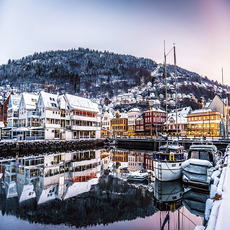
Munich to Haltingen
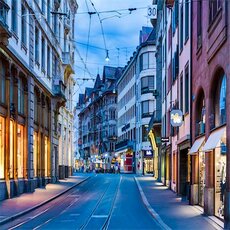
Munich to Neukirchen Inn
Munich to Ludwigshafen Rhein

Munich to Bernau Friedenstal

Munich to Moselkern
Munich to Kiel

Munich to Gottingen

Munich to Ebersbach Fils

Munich to Fuessen
WHY YOU SHOULD TRAVEL BY TRAIN?
To travel from Munich To Dortmund, trains would be the best travel choice, for several reasons:
1
Eco-Friendly
Trains are the most environmentally-friendly way of transport to the EU Environment Agency. They are powered by electricity, which is renewable and has a low environmental impact.
2
Speed
Travelling by train is in most cases the fastest way to go from Rome to Milan. Trains usually travel at high speeds, making them the fastest way to get from one place to another.
3
Safety
Travelling by train is one of the safest forms of transport. Trains are heavily regulated and monitored, making them safer than other forms of transport.
4
Price
Travelling by train is often cheaper than other forms of transport, such as flying or taking a bus. Trains are often subsidized by the government, making them cheaper than other forms of transport.
5
Luggage
Travelling by train is a great way to transport luggage. Trains usually have plenty of space for luggage and they are usually safe and secure.
6
Luggage
Travelling by train is often faster than other forms of transport, such as driving or taking a bus. Trains usually travel at high speeds, making them the fastest way to get from one place to another.
7
Comfortability
Travelling by train is usually very comfortable. Trains usually have comfortable seating and plenty of legroom, making them a great way to travel.
8
Comfortability
Travelling by train is a great way to get some sleep. Trains usually have comfortable seats and plenty of legroom, making them a great way to get some rest while travelling.
9
WIFI
This is not necessarily the most important when you travel since we prefer to tell you to enjoy your travel without your phones, but on trains, you can find WIFI onboard, so you remain connected to the internet if you choose to.
THESE ARE THE TRAIN OPERATORS WE WORK WITH