GET THE BEST TRAIN
TRAVEL OFFERS

ORDER A TRAIN TICKET
FAST AND EASY

CHOOSE HOW YOU
WANT TO PAY

Distance from Venice To Napoli is 580 Kilometer

You will save the environment by 82% in terms of Carbon footprint if you travel between Venice to Napoli by Trains and not by Airplane

You will save the environment by 71% in terms of Carbon footprint if you travel between Venice to Napoli by Trains vs Cars

You can order Train Ticket ticket from Venice To Napoli 3 Months ahead of your departure date

Save A Train is the first cheapest for all Train travel needs for leisure travelers and business travelers

You can pay for your train trip to Napoli by these Payment terms Mastecard, Visa, American Express. Maestro creadits cards but aslo with the following alternative payment methodes: Paypal, Alipay, WeChat, Trustly, ideal, sofort and more.

Remember traveling by train is very scenic experience especially if you train travel between Venice and Napoli, enjoy!
SEE HOW YOUR TRAIN TRIP FROM Venice to Napoli WILL LOOK LIKE

MORE IMPORTANT INFORMATION ABOUT YOUR TRAVEL TO Napoli
The Train station is located at the center of Napoli
Naples ( NAY-pəlz; Italian: Napoli [ˈnaːpoli] ; Neapolitan: Napule [ˈnɑːpələ]) is the regional capital of Campania and the third-largest city of Italy, after Rome and Milan, with a population of 909,048 within the city's administrative limits as of 2022. Its province-level municipality is the third-most populous metropolitan city in Italy with a population of 3,115,320 residents, and its metropolitan area stretches beyond the boundaries of the city wall for approximately 20 miles (32 km). Founded by Greeks in the first millennium BC, Naples is one of the oldest continuously inhabited urban areas in the world. In the eighth century BC, a colony known as Parthenope (Ancient Greek: Παρθενόπη) was established on the Pizzofalcone hill. In the sixth century BC, it was refounded as Neápolis. The city was an important part of Magna Graecia, played a major role in the merging of Greek and Roman society, and was a significant cultural centre under the Romans.Naples served as the capital of the Duchy of Naples (661–1139), subsequently as the capital of the Kingdom of Naples (1282–1816), and finally as the capital of the Kingdom of the Two Sicilies — until the unification of Italy in 1861.
Source:
WikipediaADDITIONAL INFORMATION ABOUT Venice
The Train station is located at the center of Venice
Venice ( VEN-iss; Italian: Venezia [veˈnɛttsja]; Venetian: Venesia or Venexia, pronounced [veˈnɛsja]) is a city in northeastern Italy and the capital of the Veneto region. It is situated on a group of 118 small islands that are separated by canals and linked by over 400 bridges. The islands are located in the shallow Venetian Lagoon, an enclosed bay that lies between the mouths of the Po and the Piave rivers (more exactly between the Brenta and the Sile). In 2018, 260,897 people resided in the Comune di Venezia, of whom around 55,000 live in the historical city of Venice (centro storico). Together with Padua and Treviso, the city is included in the Padua-Treviso-Venice Metropolitan Area (PATREVE), which is considered a statistical metropolitan area, with a total population of 2.6 million.The name is derived from the ancient Veneti people who inhabited the region by the 10th century BC.
Source:
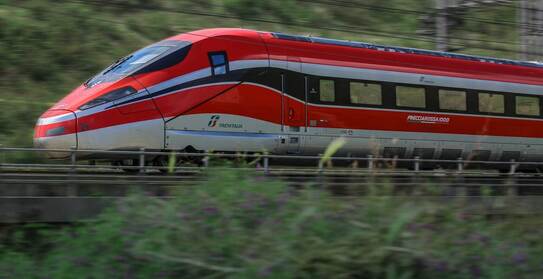
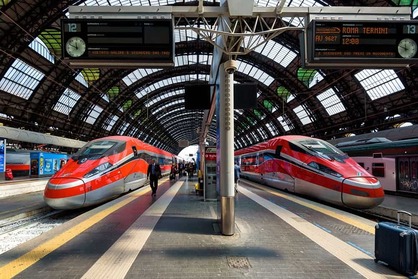
WikipediaImages of the trains for your trip




Where Can You Travel With Us?
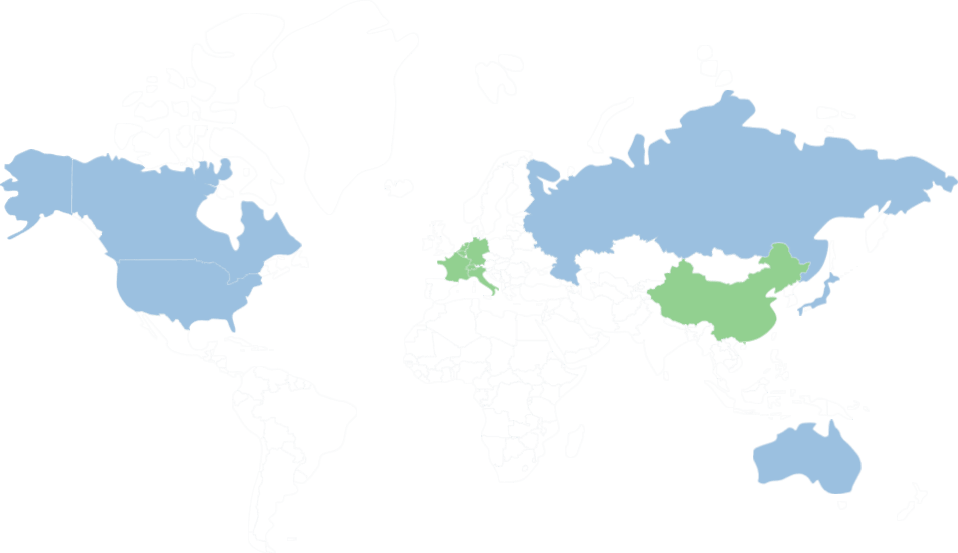
TAKE A LOOK AT OUR MAP
France
Italy
Netherlands
Luxembourg
Austria
Germany
Belgium
Switzerland
Denmark
Sweden
Norway
Hungary
Czech
Ukraine
China
Active
France, Italy, Netherlands, Luxembourg, Austria, Germany, Belgium, Switzerland, Denmark, Sweden, Norway, Hungary, Czech, Ukraine, China
Upcoming
USA, Canada, Spain, Poland, Japan
Other Train Trips From Venice

Venice to Ceglie Messapica

Venice to Crespellano

Venice to Lake Garda

Venice to Pescara Tribunale

Venice to Albano Sant Alessandro
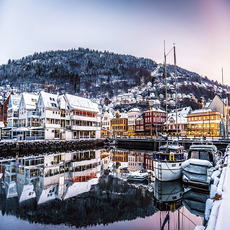
Venice to Fanzolo

Venice to Villapiana Lido Tpl
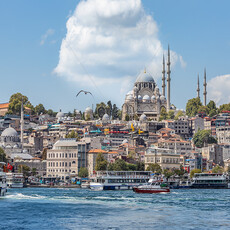
Venice to Barberino

Venice to Bisceglie
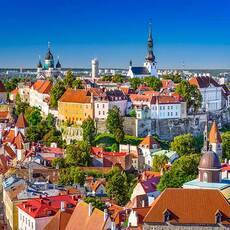
Venice to Varenna Esino

Venice to Catania Europa

Venice to San Giovanni Al Natisone

Venice to Fratte Villa Comunale

Venice to Palermo Sferracavallo

Venice to Ribera

Venice to Valmadrera

Venice to Villacidro
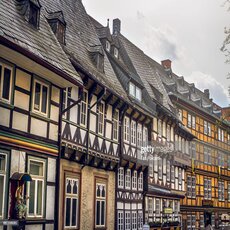
Venice to Castel Bagnolo Di Orte
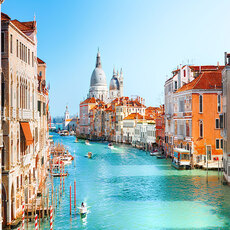
Venice to Cellino San Marco

Venice to Rieti

Venice to Gavignano Sabino

Venice to Albuzzano

Venice to Lej

Venice to Canosa Di Puglia

Venice to Spinazzola

Venice to Auletta

Venice to Vallelunga

Venice to Terontola Cortona

Venice to Jesi
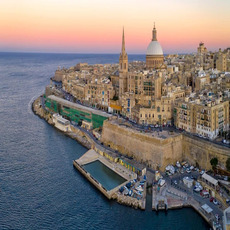
Venice to Milan Porta Genoa
WHY YOU SHOULD TRAVEL BY TRAIN?
To travel from Venice To Napoli, trains would be the best travel choice, for several reasons:
1
Eco-Friendly
Trains are the most environmentally-friendly way of transport to the EU Environment Agency. They are powered by electricity, which is renewable and has a low environmental impact.
2
Speed
Travelling by train is in most cases the fastest way to go from Rome to Milan. Trains usually travel at high speeds, making them the fastest way to get from one place to another.
3
Safety
Travelling by train is one of the safest forms of transport. Trains are heavily regulated and monitored, making them safer than other forms of transport.
4
Price
Travelling by train is often cheaper than other forms of transport, such as flying or taking a bus. Trains are often subsidized by the government, making them cheaper than other forms of transport.
5
Luggage
Travelling by train is a great way to transport luggage. Trains usually have plenty of space for luggage and they are usually safe and secure.
6
Luggage
Travelling by train is often faster than other forms of transport, such as driving or taking a bus. Trains usually travel at high speeds, making them the fastest way to get from one place to another.
7
Comfortability
Travelling by train is usually very comfortable. Trains usually have comfortable seating and plenty of legroom, making them a great way to travel.
8
Comfortability
Travelling by train is a great way to get some sleep. Trains usually have comfortable seats and plenty of legroom, making them a great way to get some rest while travelling.
9
WIFI
This is not necessarily the most important when you travel since we prefer to tell you to enjoy your travel without your phones, but on trains, you can find WIFI onboard, so you remain connected to the internet if you choose to.
THESE ARE THE TRAIN OPERATORS WE WORK WITH