GET THE BEST TRAIN
TRAVEL OFFERS

ORDER A TRAIN TICKET
FAST AND EASY

CHOOSE HOW YOU
WANT TO PAY

Distance from Vienna To Strasbourg is 669 Kilometer

You will save the environment by 85% in terms of Carbon footprint if you travel between Vienna to Strasbourg by Trains and not by Airplane

You will save the environment by 74% in terms of Carbon footprint if you travel between Vienna to Strasbourg by Trains vs Cars

You can order Train Ticket ticket from Vienna To Strasbourg 3 Months ahead of your departure date

Save A Train is the first cheapest for all Train travel needs for leisure travelers and business travelers

You can pay for your train trip to Strasbourg by these Payment terms Mastecard, Visa, American Express. Maestro creadits cards but aslo with the following alternative payment methodes: Paypal, Alipay, WeChat, Trustly, ideal, sofort and more.

Remember traveling by train is very scenic experience especially if you train travel between Vienna and Strasbourg, enjoy!
Monday,
Dec 29
Strasbourg
-4°

Tuesday,
Dec 30
Strasbourg
1°

Wednesday,
Dec 31
Strasbourg
-3°
Thursday,
Jan 1
Strasbourg
-2°
Friday,
Jan 2
Strasbourg
-2°
Saturday,
Jan 3
Strasbourg
2°

MORE IMPORTANT INFORMATION ABOUT YOUR TRAVEL TO Strasbourg
The Train station is located at the center of Strasbourg
Strasbourg (UK: US: French: [stʁazbuʁ, stʁasbuʁ]; Bas Rhin Alsatian: Strossburi [ˈʃd̥ʁɔːsb̥uʁi], Haut Rhin Alsatian: Strossburig [ˈʃd̥ʁɔːsb̥uʁiɡ̊]; German: Straßburg [ˈʃtʁaːsbʊʁk]) is the capital and largest city of the Grand Est region of France and is the official seat of the European Parliament. Located at the border with Germany in the historic region of Alsace, it is the capital of the Bas-Rhin department. In 2017, the city proper had 280,966 inhabitants and both the Eurométropole de Strasbourg (Greater Strasbourg) and the Arrondissement of Strasbourg had 494,089 inhabitants. Strasbourg's metropolitan area had a population of 785,839 in 2016 (not counting the section across the border in Germany), making it the ninth-largest metro area in France and home to 13% of the Grand Est region's inhabitants. The transnational Eurodistrict Strasbourg-Ortenau had a population of 958,421 inhabitants.Strasbourg is one of the de facto three main capitals of the European Union (alongside Brussels and Luxembourg), as it is the seat of several European institutions, such as the European Parliament, the Eurocorps and the European Ombudsman of the European Union.
Source:
WikipediaADDITIONAL INFORMATION ABOUT Vienna
The Train station is located at the center of Vienna
Vienna is the national capital, largest city, and one of nine states of Austria. Vienna is Austria's most populous city, with about 1.9 million inhabitants (2.6 million within the metropolitan area, nearly one third of the country's population), and its cultural, economic, and political centre. It is the 6th-largest city by population within city limits in the European Union. Until the beginning of the 20th century, it was the largest German-speaking city in the world, and before the splitting of the Austro-Hungarian Empire in World War I, the city had 2 million inhabitants. Today, it is the second-largest German-speaking city after Berlin. Vienna is host to many major international organizations, including the United Nations, OPEC and the OSCE.
Source:
WikipediaImages of the trains for your trip
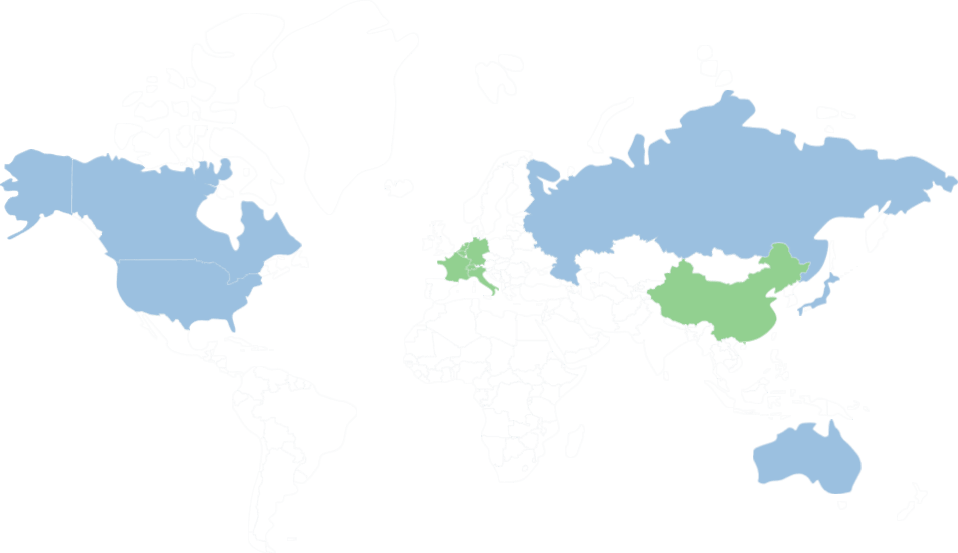
Where Can You Travel With Us?
TAKE A LOOK AT OUR MAP
France
Italy
Netherlands
Luxembourg
Austria
Germany
Belgium
Switzerland
Denmark
Sweden
Norway
Hungary
Czech
Ukraine
China
Active
France, Italy, Netherlands, Luxembourg, Austria, Germany, Belgium, Switzerland, Denmark, Sweden, Norway, Hungary, Czech, Ukraine, China
Upcoming
USA, Canada, Spain, Poland, Japan
Other Train Trips From Vienna

Vienna to Imsterberg

Vienna to Reutte in Tirol

Vienna to Dorfgastein
Vienna to Windau Im Brixental
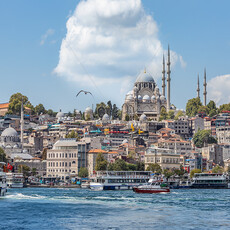
Vienna to Hallein

Vienna to Bad Gastein

Vienna to Hallstatt

Vienna to Kematen In Tirol

Vienna to Boeheimkirchen
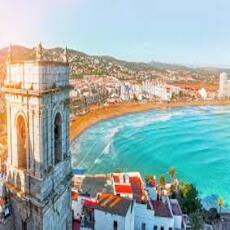
Vienna to Inzing Inn
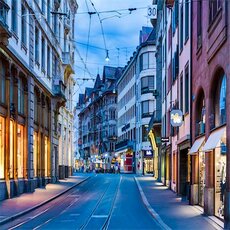
Vienna to Linz Ebelsberg

Vienna to Oberdrauburg

Vienna to Kitzbuehel
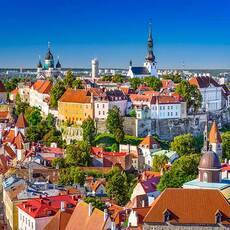
Vienna to Matrei Am Brenner

Vienna to Volders Baumkirchen

Vienna to Krems An Der Donau
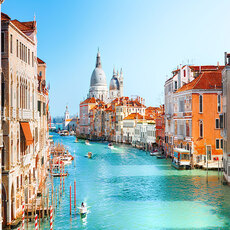
Vienna to Liezen

Vienna to Salzburg Parsch

Vienna to Retz

Vienna to Salzburg Gnigl

Vienna to Neulengbach

Vienna to Munster Wiesing
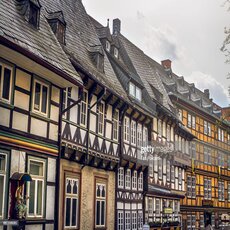
Vienna to Puch Bei Hallein
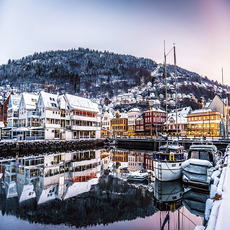
Vienna to Lochau Horbranz
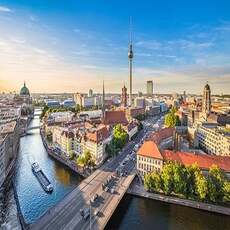
Vienna to Taxenbach Rauris

Vienna to Zell Pram

Vienna to Vienna Weidlingau

Vienna to Saint Anton Am Arlberg

Vienna to Payerbach Reichenau

Vienna to Unteroberndorf
WHY YOU SHOULD TRAVEL BY TRAIN?
To travel from Vienna To Strasbourg, trains would be the best travel choice, for several reasons:
1
Eco-Friendly
Trains are the most environmentally-friendly way of transport to the EU Environment Agency. They are powered by electricity, which is renewable and has a low environmental impact.
2
Speed
Travelling by train is in most cases the fastest way to go from Rome to Milan. Trains usually travel at high speeds, making them the fastest way to get from one place to another.
3
Safety
Travelling by train is one of the safest forms of transport. Trains are heavily regulated and monitored, making them safer than other forms of transport.
4
Price
Travelling by train is often cheaper than other forms of transport, such as flying or taking a bus. Trains are often subsidized by the government, making them cheaper than other forms of transport.
5
Luggage
Travelling by train is a great way to transport luggage. Trains usually have plenty of space for luggage and they are usually safe and secure.
6
Luggage
Travelling by train is often faster than other forms of transport, such as driving or taking a bus. Trains usually travel at high speeds, making them the fastest way to get from one place to another.
7
Comfortability
Travelling by train is usually very comfortable. Trains usually have comfortable seating and plenty of legroom, making them a great way to travel.
8
Comfortability
Travelling by train is a great way to get some sleep. Trains usually have comfortable seats and plenty of legroom, making them a great way to get some rest while travelling.
9
WIFI
This is not necessarily the most important when you travel since we prefer to tell you to enjoy your travel without your phones, but on trains, you can find WIFI onboard, so you remain connected to the internet if you choose to.
THESE ARE THE TRAIN OPERATORS WE WORK WITH