GET THE BEST TRAIN
TRAVEL OFFERS

ORDER A TRAIN TICKET
FAST AND EASY

CHOOSE HOW YOU
WANT TO PAY

Distance from Villach To Munich is 269 Kilometer

You will save the environment by 81% in terms of Carbon footprint if you travel between Villach to Munich by Trains and not by Airplane

You will save the environment by 70% in terms of Carbon footprint if you travel between Villach to Munich by Trains vs Cars

You can order Train Ticket ticket from Villach To Munich 3 Months ahead of your departure date

Save A Train is the first cheapest for all Train travel needs for leisure travelers and business travelers

You can pay for your train trip to Munich by these Payment terms Mastecard, Visa, American Express. Maestro creadits cards but aslo with the following alternative payment methodes: Paypal, Alipay, WeChat, Trustly, ideal, sofort and more.

Remember traveling by train is very scenic experience especially if you train travel between Villach and Munich, enjoy!
Saturday,
Jan 10
Munich
3°

Sunday,
Jan 11
Munich
-5°

Monday,
Jan 12
Munich
-7°
Tuesday,
Jan 13
Munich
2°
Wednesday,
Jan 14
Munich
-0°
Thursday,
Jan 15
Munich
1°
SEE HOW YOUR TRAIN TRIP FROM Villach to Munich WILL LOOK LIKE

MORE IMPORTANT INFORMATION ABOUT YOUR TRAVEL TO Munich
The Train station is located at the center of Munich
Munich ( MEW-nik; German: München [ˈmʏnçn̩]; Austro-Bavarian: Minga [ˈmɪŋ(ː)ɐ]; Slovene: Monakovo; Latin: Monachium; Italian: Monaco di Baviera) is the capital and most populous city of Bavaria, the second most populous German federal state. With a population of around 1.5 million, it is the third-largest city in Germany, after Berlin and Hamburg, and thus the largest which does not constitute its own state, as well as the 11th-largest city in the European Union. The city's metropolitan region is home to 6 million people. Straddling the banks of the River Isar (a tributary of the Danube) north of the Bavarian Alps, it is the seat of the Bavarian administrative region of Upper Bavaria, while being the most densely populated municipality in Germany (4,500 people per km²). Munich is the second-largest city in the Bavarian dialect area, after the Austrian capital of Vienna, Munich was one of the host cities of the official tournament of the 2006 FIFA World Cup. The city is a global centre of art, science, technology, finance, publishing, culture, innovation, education, business, and tourism and enjoys a very high standard and quality of living, reaching first in Germany and third worldwide according to the 2018 Mercer survey, and being rated the world's most liveable city by the Monocle's Quality of Life Survey 2018.
Source:
WikipediaADDITIONAL INFORMATION ABOUT Villach
The Train station is located at the center of Villach
Villach (German pronunciation: [ˈfɪlax]; Slovene: Beljak, Italian: Villaco, Friulian: Vilac) is the seventh-largest city in Austria and the second-largest in the federal state of Carinthia. It represents an important traffic junction for southern Austria and the whole Alpe-Adria region. As of January 2018, the population is 61,887.Together with other Alpine towns Villach engages in the Alpine Town of the Year Association for the implementation of the Alpine Convention to achieve sustainable development in the Alpine Arc. In 1997, Villach was the first town to be awarded Alpine Town of the Year.
Source:
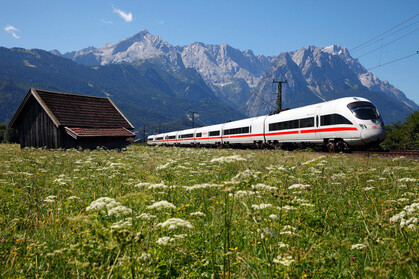
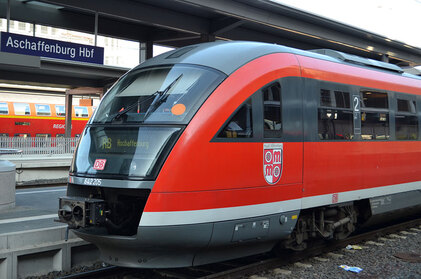
WikipediaImages of the trains for your trip




Where Can You Travel With Us?
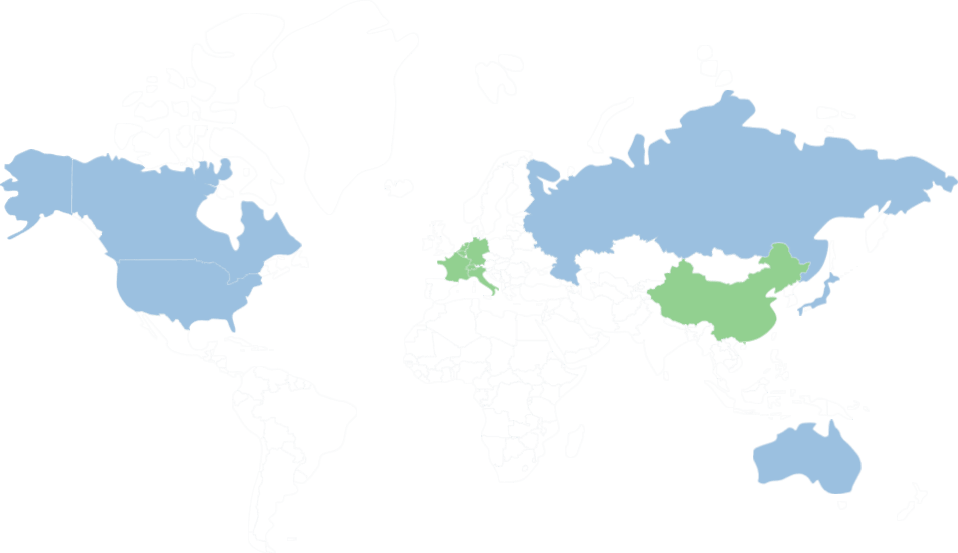
TAKE A LOOK AT OUR MAP
France
Italy
Netherlands
Luxembourg
Austria
Germany
Belgium
Switzerland
Denmark
Sweden
Norway
Hungary
Czech
Ukraine
China
Active
France, Italy, Netherlands, Luxembourg, Austria, Germany, Belgium, Switzerland, Denmark, Sweden, Norway, Hungary, Czech, Ukraine, China
Upcoming
USA, Canada, Spain, Poland, Japan
Other Train Trips From Villach
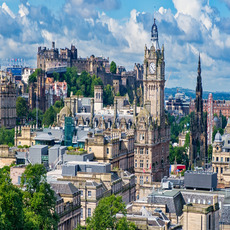
Villach to Rosenbach
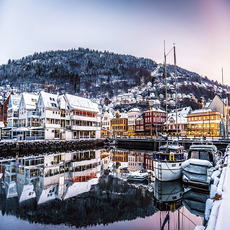
Villach to Volders Baumkirchen

Villach to Windau Im Brixental

Villach to Tauplitz
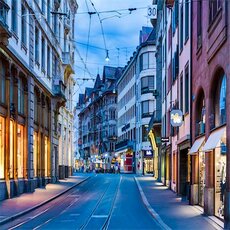
Villach to Aschbach No
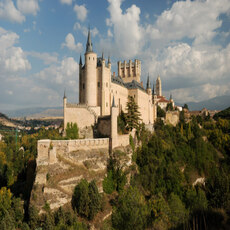
Villach to Allerheiligenhoefe

Villach to Lambach

Villach to Altenmarkt Im Pongau

Villach to Silz Im Oberinntal

Villach to Worgl South Bruckhausl

Villach to Haiming

Villach to Parndorf Ort

Villach to Saint Valentin
Villach to Imst Pitztal
Villach to Rattenberg Kramsach
Villach to Reith

Villach to Melkergrunde

Villach to Bregenz Riedenburg

Villach to Eugendorf

Villach to Purkersdorf Bei Wien Sanatorium
Villach to Neumarkt Ybbs Karlsbach

Villach to Mitterberghuetten

Villach to Obertraun Dachsteinhohlen

Villach to Giessenbach

Villach to Bad Goisern
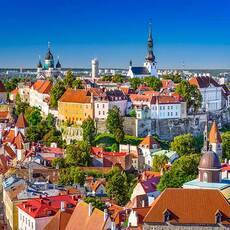
Villach to Hallstatt

Villach to Wolkersdorf

Villach to Schladming
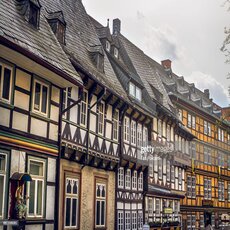
Villach to Knittelfeld
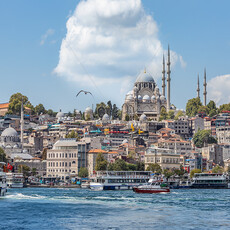
Villach to Vienna Rennweg
WHY YOU SHOULD TRAVEL BY TRAIN?
To travel from Villach To Munich, trains would be the best travel choice, for several reasons:
1
Eco-Friendly
Trains are the most environmentally-friendly way of transport to the EU Environment Agency. They are powered by electricity, which is renewable and has a low environmental impact.
2
Speed
Travelling by train is in most cases the fastest way to go from Rome to Milan. Trains usually travel at high speeds, making them the fastest way to get from one place to another.
3
Safety
Travelling by train is one of the safest forms of transport. Trains are heavily regulated and monitored, making them safer than other forms of transport.
4
Price
Travelling by train is often cheaper than other forms of transport, such as flying or taking a bus. Trains are often subsidized by the government, making them cheaper than other forms of transport.
5
Luggage
Travelling by train is a great way to transport luggage. Trains usually have plenty of space for luggage and they are usually safe and secure.
6
Luggage
Travelling by train is often faster than other forms of transport, such as driving or taking a bus. Trains usually travel at high speeds, making them the fastest way to get from one place to another.
7
Comfortability
Travelling by train is usually very comfortable. Trains usually have comfortable seating and plenty of legroom, making them a great way to travel.
8
Comfortability
Travelling by train is a great way to get some sleep. Trains usually have comfortable seats and plenty of legroom, making them a great way to get some rest while travelling.
9
WIFI
This is not necessarily the most important when you travel since we prefer to tell you to enjoy your travel without your phones, but on trains, you can find WIFI onboard, so you remain connected to the internet if you choose to.
THESE ARE THE TRAIN OPERATORS WE WORK WITH