GET THE BEST TRAIN
TRAVEL OFFERS
ORDER A TRAIN TICKET
FAST AND EASY

CHOOSE HOW YOU
WANT TO PAY

Distance from Zug To Geneva is 189 Kilometer

You will save the environment by 80% in terms of Carbon footprint if you travel between Zug to Geneva by Trains and not by Airplane

You will save the environment by 69% in terms of Carbon footprint if you travel between Zug to Geneva by Trains vs Cars

You can order Train Ticket ticket from Zug To Geneva 3 Months ahead of your departure date

Save A Train is the first cheapest for all Train travel needs for leisure travelers and business travelers

You can pay for your train trip to Geneva by these Payment terms Mastecard, Visa, American Express. Maestro creadits cards but aslo with the following alternative payment methodes: Paypal, Alipay, WeChat, Trustly, ideal, sofort and more.

Remember traveling by train is very scenic experience especially if you train travel between Zug and Geneva, enjoy!
MORE IMPORTANT INFORMATION ABOUT YOUR TRAVEL TO Geneva
The Train station is located at the center of Geneva
Geneva ( jin-EE-və; French: Genève [ʒənɛv]; Arpitan: Genèva [dzəˈnɛva]; German: Genf [ɡɛnf]; Italian: Ginevra [dʒiˈneːvra]; Romansh: Genevra) is the second-most populous city in Switzerland (after Zürich) and the most populous city of Romandy, the French-speaking part of Switzerland. Situated where the Rhône exits Lake Geneva, it is the capital of the Republic and Canton of Geneva. The municipality (ville de Genève) has a population (as of December 2018) of 201,818, and the canton (essentially the city and its inner-ring suburbs) has 499,480 residents. In 2014, the compact agglomération du Grand Genève had 946,000 inhabitants in 212 communities in both Switzerland and France. Within Swiss territory, the commuter area named "Métropole lémanique" contains a population of 1.26 million. This area is essentially spread east from Geneva towards the Riviera area (Vevey, Montreux) and north-east towards Yverdon-les-Bains, in the neighbouring canton of Vaud. Geneva is a global city, a financial centre, and a worldwide centre for diplomacy due to the presence of numerous international organizations, including the headquarters of many agencies of the United Nations and the Red Cross.
Source:
WikipediaADDITIONAL INFORMATION ABOUT Zug
The Train station is located at the center of Zug
Zug (German: Zug, [tsuːɡ]; French: Zoug; Italian: Zugo; Romansh: Zug; New Latin: Tugium) is the capital and biggest town of the canton of Zug in Switzerland. Its name originates from the fishing vocabulary; in the Middle Ages it referred to the right to pull up fishing nets and hence to the right to fish. A municipality, it had a total population of 30,542 inhabitants as of 31 December 2018. The official language of Zug is (the Swiss variety of Standard) German, but the main spoken language is the local variant of the Alemannic Swiss German dialect.
Source:
WikipediaImages of the trains for your trip
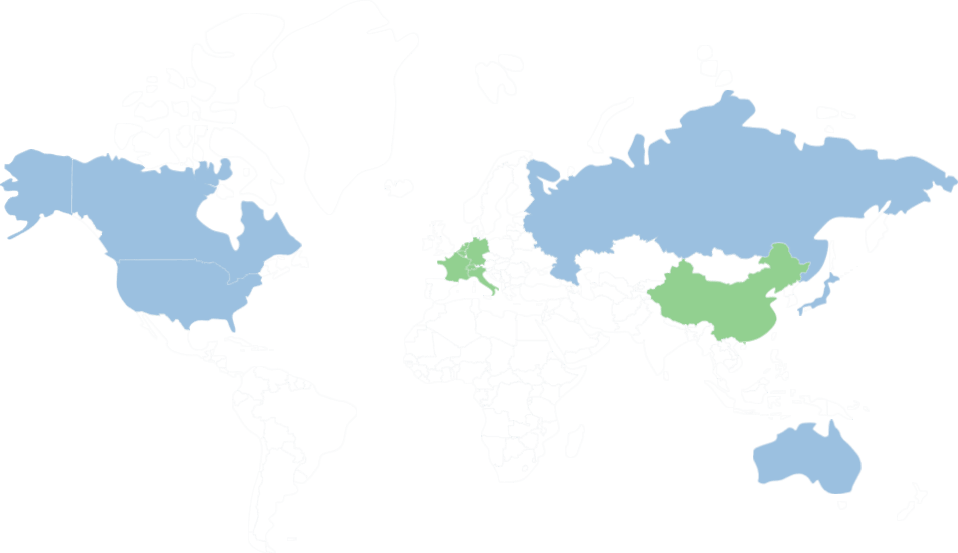
Where Can You Travel With Us?
TAKE A LOOK AT OUR MAP
France
Italy
Netherlands
Luxembourg
Austria
Germany
Belgium
Switzerland
Denmark
Sweden
Norway
Hungary
Czech
Ukraine
China
Active
France, Italy, Netherlands, Luxembourg, Austria, Germany, Belgium, Switzerland, Denmark, Sweden, Norway, Hungary, Czech, Ukraine, China
Upcoming
USA, Canada, Spain, Poland, Japan
Other Train Trips From Zug
Zug to Waldenburg

Zug to Montana
Zug to Turgi
Zug to Engelberg
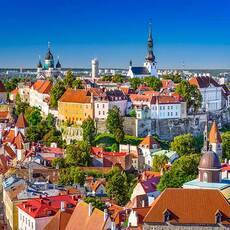
Zug to Saint Luc
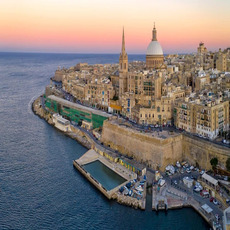
Zug to Muttenz

Zug to Kloten

Zug to Thusis

Zug to Laax
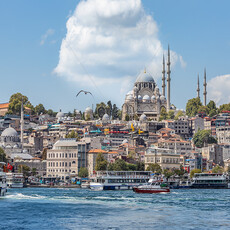
Zug to Les Marecottes

Zug to Saint Margrethen

Zug to Dallenwil
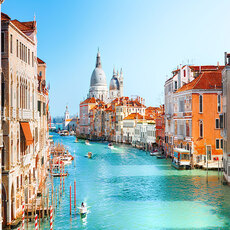
Zug to Lenzerheide Lai Rothornbahn

Zug to Solothurn

Zug to Bellinzona

Zug to Horgen
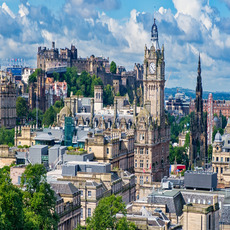
Zug to Klosters Dorf

Zug to Altstaetten Sg

Zug to Dietlikon

Zug to Amriswil

Zug to Flums
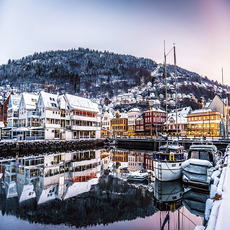
Zug to Lugano

Zug to Davos Dorf

Zug to Frick
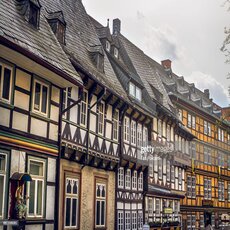
Zug to Stansstad

Zug to Melide
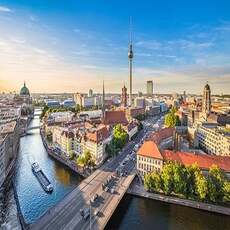
Zug to Erlenbach Zh

Zug to Kuesnacht Zh

Zug to Reichenbach Im Kandertal CH
Zug to Mendrisio San Martino
WHY YOU SHOULD TRAVEL BY TRAIN?
To travel from Zug To Geneva, trains would be the best travel choice, for several reasons:
1
Eco-Friendly
Trains are the most environmentally-friendly way of transport to the EU Environment Agency. They are powered by electricity, which is renewable and has a low environmental impact.
2
Speed
Travelling by train is in most cases the fastest way to go from Rome to Milan. Trains usually travel at high speeds, making them the fastest way to get from one place to another.
3
Safety
Travelling by train is one of the safest forms of transport. Trains are heavily regulated and monitored, making them safer than other forms of transport.
4
Price
Travelling by train is often cheaper than other forms of transport, such as flying or taking a bus. Trains are often subsidized by the government, making them cheaper than other forms of transport.
5
Luggage
Travelling by train is a great way to transport luggage. Trains usually have plenty of space for luggage and they are usually safe and secure.
6
Luggage
Travelling by train is often faster than other forms of transport, such as driving or taking a bus. Trains usually travel at high speeds, making them the fastest way to get from one place to another.
7
Comfortability
Travelling by train is usually very comfortable. Trains usually have comfortable seating and plenty of legroom, making them a great way to travel.
8
Comfortability
Travelling by train is a great way to get some sleep. Trains usually have comfortable seats and plenty of legroom, making them a great way to get some rest while travelling.
9
WIFI
This is not necessarily the most important when you travel since we prefer to tell you to enjoy your travel without your phones, but on trains, you can find WIFI onboard, so you remain connected to the internet if you choose to.
THESE ARE THE TRAIN OPERATORS WE WORK WITH