GET THE BEST TRAIN
TRAVEL OFFERS

ORDER A TRAIN TICKET
FAST AND EASY

CHOOSE HOW YOU
WANT TO PAY

Distance from Genève To Bernalda is 1205 Kilometer

You will save the environment by 87% in terms of Carbon footprint if you travel between Genève to Bernalda by Trains and not by Airplane

You will save the environment by 60% in terms of Carbon footprint if you travel between Genève to Bernalda by Trains vs Cars

You can order Train Ticket ticket from Genève To Bernalda 3 Months ahead of your departure date

Save A Train is the first cheapest for all Train travel needs for leisure travelers and business travelers

You can pay for your train trip to Bernalda by these Payment terms Mastecard, Visa, American Express. Maestro creadits cards but aslo with the following alternative payment methodes: Paypal, Alipay, WeChat, Trustly, ideal, sofort and more.

Remember traveling by train is very scenic experience especially if you train travel between Genève and Bernalda, enjoy!
Friday,
Feb 20
Bernalda
15°

Saturday,
Feb 21
Bernalda
11°

Sunday,
Feb 22
Bernalda
15°

Monday,
Feb 23
Bernalda
15°
Tuesday,
Feb 24
Bernalda
16°
Wednesday,
Feb 25
Bernalda
19°
MORE IMPORTANT INFORMATION ABOUT YOUR TRAVEL TO Bernalda
The Train station is located at the center of Bernalda
Geneva ( jin-EE-və; French: Genève [ʒənɛv]; Arpitan: Genèva [dzəˈnɛva]; German: Genf [ɡɛnf]; Italian: Ginevra [dʒiˈneːvra]; Romansh: Genevra) is the second-most populous city in Switzerland (after Zürich) and the most populous city of Romandy, the French-speaking part of Switzerland. Situated where the Rhône exits Lake Geneva, it is the capital of the Republic and Canton of Geneva. The municipality (ville de Genève) has a population (as of December 2018) of 201,818, and the canton (essentially the city and its inner-ring suburbs) has 499,480 residents. In 2014, the compact agglomération du Gra...
Source:
WikipediaADDITIONAL INFORMATION ABOUT Genève
The Train station is located at the center of Genève
Bernalda is a town and comune in the province of Matera, in the Southern Italian region of Basilicata. The frazione of Metaponto is the site of the ancient city of Metapontum. Until the 15th century, it was called Camarda. It is home to a castle built in the 15th century during the Aragonese rule in the Kingdom of Naples. The patron Saint of Bernalda is Saint Bernardino of Siena. The celebration of Saint Bernardino is on 20 May and on 23 August.
Source:
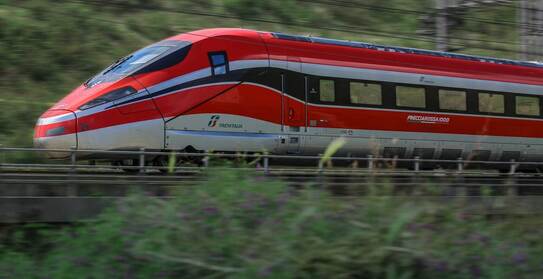
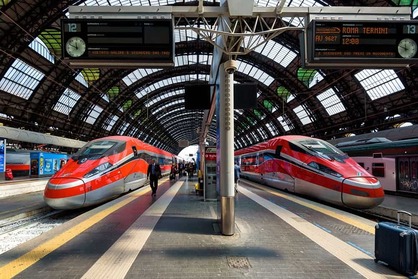
WikipediaImages of the trains for your trip




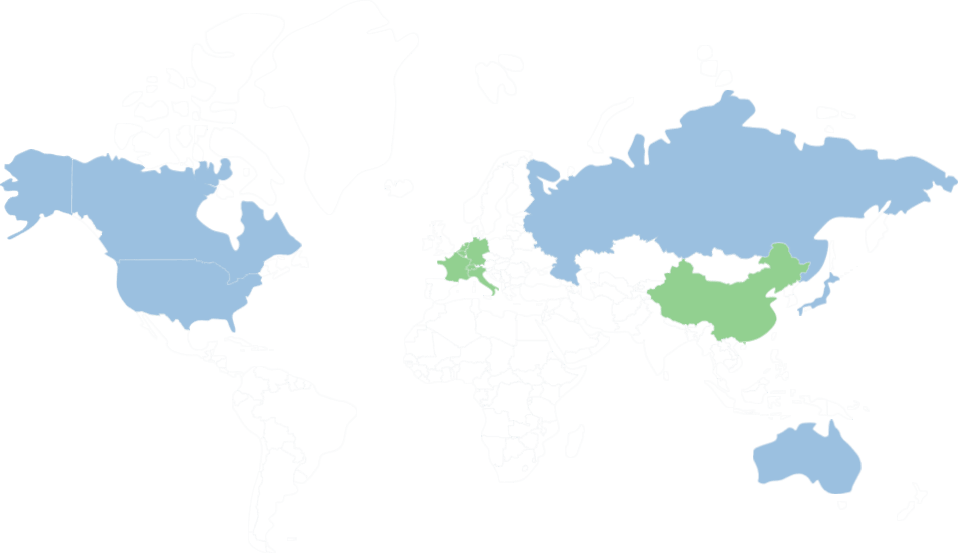
Where Can You Travel With Us?
TAKE A LOOK AT OUR MAP
France
Italy
Netherlands
Luxembourg
Austria
Germany
Belgium
Switzerland
Denmark
Sweden
Norway
Hungary
Czech
Ukraine
China
Active
France, Italy, Netherlands, Luxembourg, Austria, Germany, Belgium, Switzerland, Denmark, Sweden, Norway, Hungary, Czech, Ukraine, China
Upcoming
USA, Canada, Spain, Poland, Japan
WHY YOU SHOULD TRAVEL BY TRAIN?
To travel from Genève To Bernalda, trains would be the best travel choice, for several reasons:
1
Eco-Friendly
Trains are the most environmentally-friendly way of transport to the EU Environment Agency. They are powered by electricity, which is renewable and has a low environmental impact.
2
Speed
Travelling by train is in most cases the fastest way to go from Genève to Bernalda. Trains usually travel at high speeds, making them the fastest way to get from one place to another.
3
Safety
Travelling by train is one of the safest forms of transport. Trains are heavily regulated and monitored, making them safer than other forms of transport.
4
Price
Travelling by train is often cheaper than other forms of transport, such as flying or taking a bus. Trains are often subsidized by the government, making them cheaper than other forms of transport.
5
Luggage
Travelling by train is a great way to transport luggage. Trains usually have plenty of space for luggage and they are usually safe and secure.
6
Luggage
Travelling by train is often faster than other forms of transport, such as driving or taking a bus. Trains usually travel at high speeds, making them the fastest way to get from one place to another.
7
Comfortability
Travelling by train is usually very comfortable. Trains usually have comfortable seating and plenty of legroom, making them a great way to travel.
8
Comfortability
Travelling by train is a great way to get some sleep. Trains usually have comfortable seats and plenty of legroom, making them a great way to get some rest while travelling.
9
WIFI
This is not necessarily the most important when you travel since we prefer to tell you to enjoy your travel without your phones, but on trains, you can find WIFI onboard, so you remain connected to the internet if you choose to.
Popular Routes

Geneva Airport To Champery

Paris To London St Pancras International

Paris To Brussels Midi South

Bologna To Verona Porta Nuova
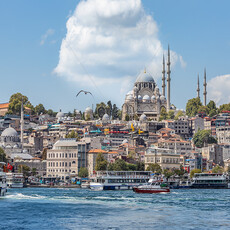
Ragusa To Naples

Amsterdam To Brussels Zaventem Airport

Nice Ville To Lyon Part Dieu

Amsterdam To Brussels

Liege Guillemins To Eupen
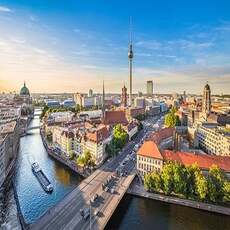
Zurich Airport To Lauterbrunnen

Rotterdam To Antwerp Berchem

Paris Charles De Gaulle CDG Airport To Nantes

Milan To Rome
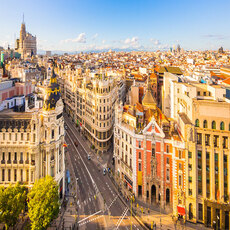
Stuttgart To Basel
Frankfurt To Paris

Amsterdam To Boom

Bellinzona To Basel

Vienna To Budapest Keleti Palyaudvar
Bietigheim Bissingen To Nuremberg

Paris To Rome

Biarritz To Bordeaux Saint Jean
London St Pancras International To Amsterdam
Naples To Milan
Zurich To Basel

Frankfurt To Amsterdam
THESE ARE THE TRAIN OPERATORS WE WORK WITH