GET THE BEST TRAIN
TRAVEL OFFERS

ORDER A TRAIN TICKET
FAST AND EASY

CHOOSE HOW YOU
WANT TO PAY

Distance from Ghent To Mechelen is 70 Kilometer

You will save the environment by 74% in terms of Carbon footprint if you travel between Ghent to Mechelen by Trains and not by Airplane

You will save the environment by 63% in terms of Carbon footprint if you travel between Ghent to Mechelen by Trains vs Cars

You can order Train Ticket ticket from Ghent To Mechelen 3 Months ahead of your departure date

Save A Train is the first cheapest for all Train travel needs for leisure travelers and business travelers

You can pay for your train trip to Mechelen by these Payment terms Mastecard, Visa, American Express. Maestro creadits cards but aslo with the following alternative payment methodes: Paypal, Alipay, WeChat, Trustly, ideal, sofort and more.

Remember traveling by train is very scenic experience especially if you train travel between Ghent and Mechelen, enjoy!
Tuesday,
Dec 30
Mechelen
3°

Wednesday,
Dec 31
Mechelen
5°
Thursday,
Jan 1
Mechelen
5°
Friday,
Jan 2
Mechelen
1°
Saturday,
Jan 3
Mechelen
0°

Sunday,
Jan 4
Mechelen
2°
MORE IMPORTANT INFORMATION ABOUT YOUR TRAVEL TO Mechelen
The Train station is located at the center of Mechelen
Mechelen ], French: Malines, traditional English name: Mechlin) is a city and municipality in the province of Antwerp in the Flemish Region of Belgium. The municipality comprises the city of Mechelen proper, some quarters at its outskirts, the hamlets of Nekkerspoel (adjacent) and Battel (a few kilometers away), as well as the villages of Walem, Heffen, Leest, Hombeek, and Muizen. The Dyle (Dutch: Dijle) flows through the city, hence it is often referred to as the Dijlestad ("City on the river Dijle"). Mechelen lies on the major urban and industrial axis Brussels–Antwerp, about 25 km from each city. Inhabitants find employment at Mechelen's southern industrial and northern office estates, as well as at offices or industry near the capital and Zaventem Airport, or at industrial plants near Antwerp's seaport. Mechelen is one of Flanders' prominent cities of historical art, with Antwerp, Bruges, Brussels, Ghent, and Leuven. It was notably a centre for artistic production during the Northern Renaissance, when painters, printmakers, illuminators and composers of polyphony were attracted by patrons such as Margaret of York, Margaret of Austria and Hieronymus van Busleyden.
Source:
WikipediaADDITIONAL INFORMATION ABOUT Ghent
The Train station is located at the center of Ghent
Ghent (; Dutch: Gent [ɣɛnt]; French: Gand [ɡɑ̃], traditional English Gaunt) is a city and a municipality in the Flemish Region of Belgium. It is the capital and largest city of the East Flanders province, and the third largest in the country, exceeded in size by Brussels and Antwerp. The city originally started as a settlement at the confluence of the Rivers Scheldt and Leie and in the Late Middle Ages became one of the largest and richest cities of northern Europe, with some 50,000 people in 1300. It is a port and university city. The municipality comprises the city of Ghent proper and the surrounding suburbs of Afsnee, Desteldonk, Drongen, Gentbrugge, Ledeberg, Mariakerke, Mendonk, Oostakker, Sint-Amandsberg, Sint-Denijs-Westrem, Sint-Kruis-Winkel, Wondelgem and Zwijnaarde. With 262,219 inhabitants at the beginning of 2019, Ghent is Belgium's second largest municipality by number of inhabitants.
Source:
WikipediaImages of the trains for your trip
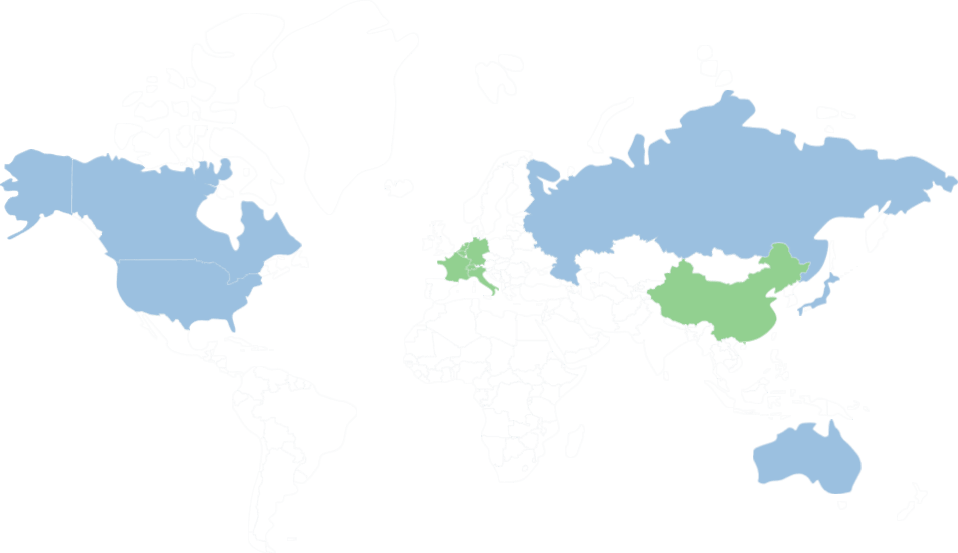
Where Can You Travel With Us?
TAKE A LOOK AT OUR MAP
France
Italy
Netherlands
Luxembourg
Austria
Germany
Belgium
Switzerland
Denmark
Sweden
Norway
Hungary
Czech
Ukraine
China
Active
France, Italy, Netherlands, Luxembourg, Austria, Germany, Belgium, Switzerland, Denmark, Sweden, Norway, Hungary, Czech, Ukraine, China
Upcoming
USA, Canada, Spain, Poland, Japan
Other Train Trips From Ghent
Ghent Dampoort to Louvain La Neuve
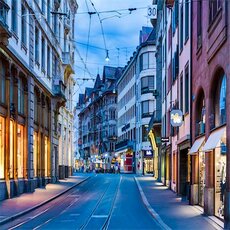
Ghent Dampoort to Bruges
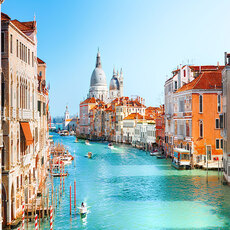
Ghent Dampoort to Mechelen Nekkerspoel
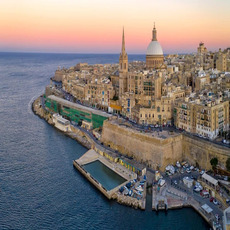
Ghent Dampoort to Evergem

Ghent Dampoort to Ligny

Ghent Dampoort to Herne BE

Ghent Dampoort to Saint Katelijne Waver

Ghent Dampoort to Waregem

Ghent Dampoort to Haversin
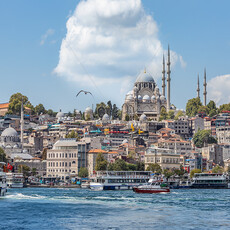
Ghent Dampoort to Bas Oha

Ghent Dampoort to Havre
Ghent Dampoort to Zellik

Ghent Dampoort to Zeebrugge BE

Ghent Dampoort to Saint Agatha Berchem

Ghent Dampoort to Brussels Meiser

Ghent Dampoort to Lebbeke

Ghent Dampoort to Pieton
Ghent Dampoort to Gembloux

Ghent Dampoort to Haren BE
Ghent Dampoort to Manage
Ghent Dampoort to Erquelinnes Village

Ghent Dampoort to Hoboken Polder

Ghent Dampoort to Erpe Mere
Ghent Dampoort to Tielt
Ghent Dampoort to Eupen

Ghent Dampoort to Beuzet

Ghent Dampoort to Huy

Ghent Dampoort to Engis

Ghent Dampoort to Virton
Ghent Dampoort to Weerde
WHY YOU SHOULD TRAVEL BY TRAIN?
To travel from Ghent To Mechelen, trains would be the best travel choice, for several reasons:
1
Eco-Friendly
Trains are the most environmentally-friendly way of transport to the EU Environment Agency. They are powered by electricity, which is renewable and has a low environmental impact.
2
Speed
Travelling by train is in most cases the fastest way to go from Rome to Milan. Trains usually travel at high speeds, making them the fastest way to get from one place to another.
3
Safety
Travelling by train is one of the safest forms of transport. Trains are heavily regulated and monitored, making them safer than other forms of transport.
4
Price
Travelling by train is often cheaper than other forms of transport, such as flying or taking a bus. Trains are often subsidized by the government, making them cheaper than other forms of transport.
5
Luggage
Travelling by train is a great way to transport luggage. Trains usually have plenty of space for luggage and they are usually safe and secure.
6
Luggage
Travelling by train is often faster than other forms of transport, such as driving or taking a bus. Trains usually travel at high speeds, making them the fastest way to get from one place to another.
7
Comfortability
Travelling by train is usually very comfortable. Trains usually have comfortable seating and plenty of legroom, making them a great way to travel.
8
Comfortability
Travelling by train is a great way to get some sleep. Trains usually have comfortable seats and plenty of legroom, making them a great way to get some rest while travelling.
9
WIFI
This is not necessarily the most important when you travel since we prefer to tell you to enjoy your travel without your phones, but on trains, you can find WIFI onboard, so you remain connected to the internet if you choose to.
THESE ARE THE TRAIN OPERATORS WE WORK WITH