GET THE BEST TRAIN
TRAVEL OFFERS

ORDER A TRAIN TICKET
FAST AND EASY

CHOOSE HOW YOU
WANT TO PAY

Distance from Mantua To Como is 79 Kilometer

You will save the environment by 72% in terms of Carbon footprint if you travel between Mantua to Como by Trains and not by Airplane

You will save the environment by 61% in terms of Carbon footprint if you travel between Mantua to Como by Trains vs Cars

You can order Train Ticket ticket from Mantua To Como 3 Months ahead of your departure date

Save A Train is the first cheapest for all Train travel needs for leisure travelers and business travelers

You can pay for your train trip to Como by these Payment terms Mastecard, Visa, American Express. Maestro creadits cards but aslo with the following alternative payment methodes: Paypal, Alipay, WeChat, Trustly, ideal, sofort and more.

Remember traveling by train is very scenic experience especially if you train travel between Mantua and Como, enjoy!
SEE HOW YOUR TRAIN TRIP FROM Mantua to Como WILL LOOK LIKE

MORE IMPORTANT INFORMATION ABOUT YOUR TRAVEL TO Como
The Train station is located at the center of Como
Como (Italian pronunciation: [ˈkɔːmo], locally [ˈkoːmo]; Comasco: Còmm [ˈkɔm], Cómm [ˈkom] or Cùmm [ˈkum]; Latin: Novum Comum; Romansh: Com; French: Côme) is a city and comune in Lombardy, Italy. It is the administrative capital of the Province of Como. Its proximity to Lake Como and to the Alps has made Como a tourist destination, and the city contains numerous works of art, churches, gardens, museums, theatres, parks, and palaces: the Duomo, seat of the Diocese of Como; the Basilica of Sant'Abbondio; the Villa Olmo; the public gardens with the Tempio Voltiano; the Teatro Sociale; the Broletto or the city's medieval town hall; and the 20th-century Casa del Fascio. Como was the birthplace of many historical figures, including the poet Caecilius mentioned by Catullus in the first century BCE, writers Pliny the Elder and Pliny the Younger, Pope Innocent XI, scientist Alessandro Volta, and Cosima Liszt, second wife of Richard Wagner and long-term director of the Bayreuth Festival, and Antonio Sant'Elia (1888–1916), a futurist architect and a pioneer of the modern movement.
Source:
WikipediaADDITIONAL INFORMATION ABOUT Mantua
The Train station is located at the center of Mantua
Mantua is a city and comune in Lombardy, Italy, and capital of the province of the same name. In 2016, Mantua became Italian Capital of Culture. In 2017, Mantua was the European Capital of Gastronomy, included in the Eastern Lombardy District (together with the cities of Bergamo, Brescia, and Cremona). In 2007, Mantua's centro storico (old town) and Sabbioneta were declared by UNESCO to be a World Heritage Site. Mantua's historic power and influence under the Gonzaga family has made it one of the main artistic, cultural, and especially musical hubs of Northern Italy and the country as a whole. Mantua is noted for its significant role in the history of opera; the city is also known for its architectural treasures and artifacts, elegant palaces, and the medieval and Renaissance cityscape. It is the place where the composer Monteverdi premiered his opera L'Orfeo and where Romeo was banished in Shakespeare's play Romeo and Juliet.
Source:
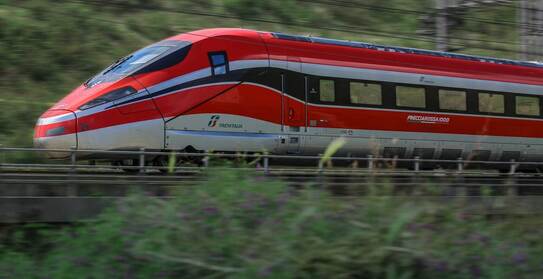
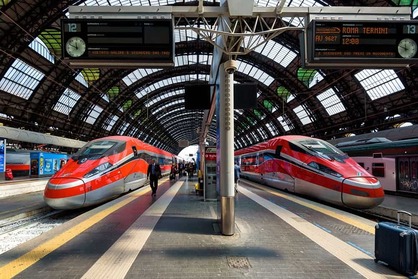
WikipediaImages of the trains for your trip




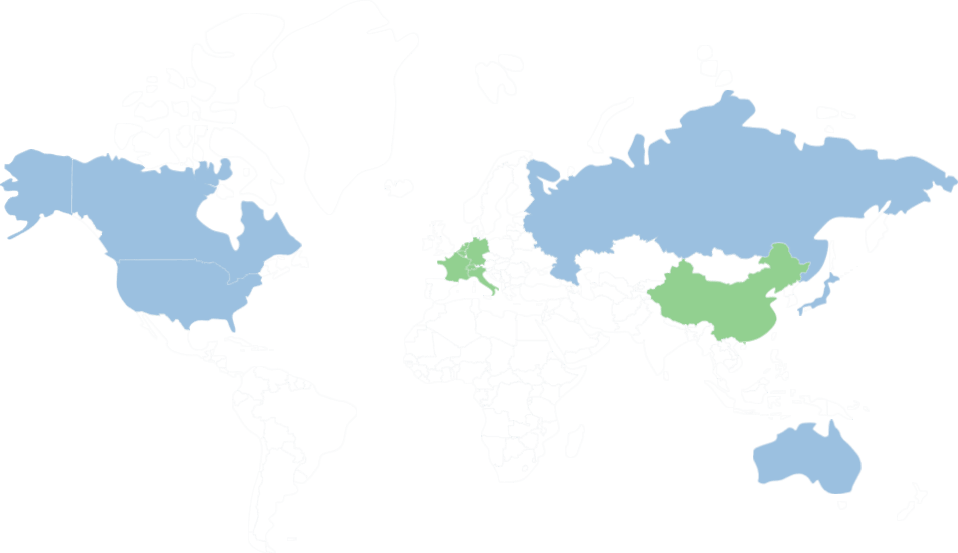
Where Can You Travel With Us?
TAKE A LOOK AT OUR MAP
France
Italy
Netherlands
Luxembourg
Austria
Germany
Belgium
Switzerland
Denmark
Sweden
Norway
Hungary
Czech
Ukraine
China
Active
France, Italy, Netherlands, Luxembourg, Austria, Germany, Belgium, Switzerland, Denmark, Sweden, Norway, Hungary, Czech, Ukraine, China
Upcoming
USA, Canada, Spain, Poland, Japan
Other Train Trips From Mantua
Mantua to Sezze Romano
Mantua to Genoa Sampierdarena
Mantua to Scansano

Mantua to Melendugno
Mantua to Recco
Mantua to Navacchio

Mantua to Filiano

Mantua to Savignano Mulino

Mantua to Bari Karol Wojtyla Airport

Mantua to Cocumola
Mantua to Chiusano Cossombrato
Mantua to Taviano

Mantua to Bolzano Bozen South
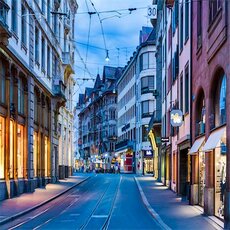
Mantua to Betilli

Mantua to Rovello Porro

Mantua to Montevarchi Terranuova

Mantua to Bressana Bottarone
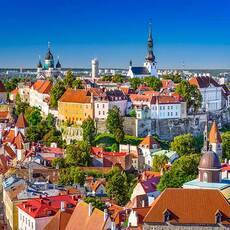
Mantua to Alano Fener Valdobbiadene

Mantua to Salerno Port
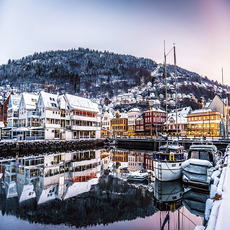
Mantua to Bonefro Santa Croce

Mantua to Vello

Mantua to Mezzocorona
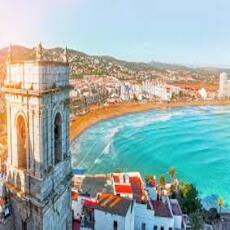
Mantua to Panicale Sanfatucchio

Mantua to Verona Airport

Mantua to Taurisano

Mantua to Corsagna
Mantua to Gavorrano

Mantua to Campore

Mantua to Lappano

Mantua to Gaggiolo Transito
WHY YOU SHOULD TRAVEL BY TRAIN?
To travel from Mantua To Como, trains would be the best travel choice, for several reasons:
1
Eco-Friendly
Trains are the most environmentally-friendly way of transport to the EU Environment Agency. They are powered by electricity, which is renewable and has a low environmental impact.
2
Speed
Travelling by train is in most cases the fastest way to go from Rome to Milan. Trains usually travel at high speeds, making them the fastest way to get from one place to another.
3
Safety
Travelling by train is one of the safest forms of transport. Trains are heavily regulated and monitored, making them safer than other forms of transport.
4
Price
Travelling by train is often cheaper than other forms of transport, such as flying or taking a bus. Trains are often subsidized by the government, making them cheaper than other forms of transport.
5
Luggage
Travelling by train is a great way to transport luggage. Trains usually have plenty of space for luggage and they are usually safe and secure.
6
Luggage
Travelling by train is often faster than other forms of transport, such as driving or taking a bus. Trains usually travel at high speeds, making them the fastest way to get from one place to another.
7
Comfortability
Travelling by train is usually very comfortable. Trains usually have comfortable seating and plenty of legroom, making them a great way to travel.
8
Comfortability
Travelling by train is a great way to get some sleep. Trains usually have comfortable seats and plenty of legroom, making them a great way to get some rest while travelling.
9
WIFI
This is not necessarily the most important when you travel since we prefer to tell you to enjoy your travel without your phones, but on trains, you can find WIFI onboard, so you remain connected to the internet if you choose to.
THESE ARE THE TRAIN OPERATORS WE WORK WITH